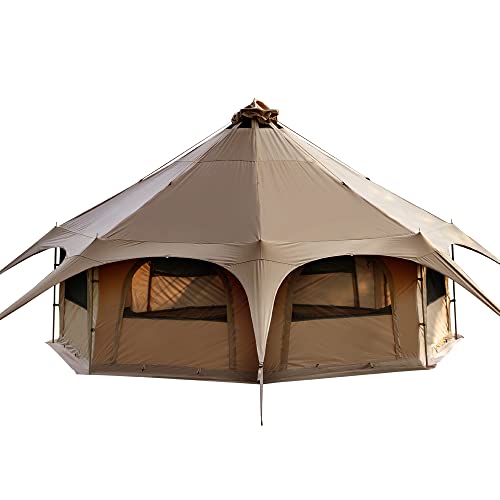
The House Yurt: A Complete Guide to Modern Yurt Camping
Discover why the house yurt is redefining outdoor living. From durable materials to year-round comfort, learn everything you need to know before choosing your yurt shelter.
START YOUR YURT JOURNEYWhy a House Yurt? Unlike traditional tents, a house yurt offers a unique blend of portability, durability, and home-like comfort. It is an ideal solution for glamping enthusiasts, backyard retreats, and long-term basecamps. This guide will help you understand every aspect of the house yurt, from structure to setup, so you can make an informed decision.
What Exactly Is a House Yurt?
A house yurt is a portable, circular dwelling that combines the structural integrity of a traditional Central Asian yurt with modern materials and design. While classic yurts were made from wool felt and wooden lattice, today's house yurts often feature heavy-duty canvas, vinyl, or polyester covers over a sturdy frame. This evolution makes them suitable for permanent or semi-permanent camping, glamping, and even full-time living in some cases.
Unlike a standard camping tent, a house yurt typically offers standing headroom, insulation options, and sometimes even windows and doors. This makes it an excellent choice for those who want the feel of a cabin but the portability of a tent. If you are exploring camp shelter options beyond the ordinary, a yurt is a compelling alternative.
Key Benefits and Advantages of a House Yurt
Choosing a yurt over a conventional tent comes with a distinct set of advantages. Here are the most notable:
- Superior Durability: The frame and cover of a quality house yurt are built to withstand wind, rain, and snow far better than most family tents. This makes them a reliable choice for winter camping and extreme weather.
- Spacious Interior: The circular design maximizes floor space. You can easily fit cots, a small stove, and even furniture. This is a game-changer for those who find standard tents cramped.
- Year-Round Usability: With proper insulation and a heated tent setup, a yurt can be used in all four seasons.
- Aesthetic Appeal: There is a unique charm to a yurt that standard tents lack. It feels more like a cabin camping experience.
For those who want a permanent or semi-permanent structure, a yurt kit can be an excellent investment, providing a comfortable retreat that is still relatively easy to relocate.
Types of House Yurts: From Traditional to Modern
Not all yurts are created equal. Understanding the different types will help you narrow down your options:
- Traditional Yurts: These are the closest to the original design, using a wooden lattice (khana) and a central compression ring. They are often covered in natural felt or canvas and are excellent for mild climates.
- Modern Glamping Yurts: These are designed for comfort and often include features like insulation, windows, and even electrical wiring. They are popular in campground resorts and glamping sites.
- Backyard Yurts: Smaller, simpler versions meant for permanent installation in a backyard. They can serve as a guest house, studio, or a peaceful retreat. These are often categorized as backyard tents but offer more structure.
- Portable Yurts: Designed for easy setup and takedown, these are the best bet for campers who want to move their yurt between locations. They are a hybrid between a traditional yurt and a large bell tent.
Materials and Construction Quality
The longevity and performance of your house yurt depend heavily on its materials. Here is what to look for:
- Frame: High-quality yurts use kiln-dried wood or aircraft-grade aluminum. Wood offers a traditional feel, while aluminum is lighter and more resistant to rust.
- Cover: The best covers are made from heavy-duty, marine-grade canvas or polyester with a waterproof coating. Look for UV resistance to prevent fading and degradation. A rain fly is sometimes integrated or available as an add-on.
- Insulation: If you plan to use your yurt in cold weather, an insulation kit is essential. This often includes a reflective liner and a thick felt or synthetic layer. This is comparable to the insulation found in high-end winter tents.
- Flooring: Some yurts come with integrated floors, while others require a separate groundsheet or platform. For permanent setups, a wooden platform is recommended.
How to Choose the Right House Yurt
Before you commit to a purchase, consider the following factors to ensure you get the perfect yurt for your needs:
| Factor | Consideration |
|---|---|
| Intended Use | Will it be for occasional camping, a permanent backyard structure, or a glamping business? This determines the required durability and features. |
| Size | Yurts range from small (suitable for 2 people) to very large (capable of sleeping 8+). Consider the number of occupants and the furniture you plan to include. |
| Climate | For harsh winters, prioritize insulation and a sturdy frame. For mild climates, a standard canvas yurt may suffice. |
| Portability | If you plan to move it, look for a lightweight, portable model. If it's permanent, weight is less of a concern. |
| Setup Complexity | Some yurts can be assembled by two people in a few hours, while others require professional installation. Be realistic about your DIY skills. |
| Quality Tier | Yurts are generally available in entry-level, mid-range, and premium tiers. Entry-level models are great for occasional use, while premium yurts are built for full-time living and extreme conditions. |
Setup, Maintenance, and Care
Setting up a house yurt is a project, but it's manageable with the right approach. Here are the general steps:
- Site Preparation: Choose a level area. For a permanent yurt, build a wooden platform. For temporary use, clear the ground of rocks and debris. This is similar to setting up a tent on a platform.
- Assemble the Frame: Start with the center ring and work your way out, connecting the lattice walls and roof rafters. Follow the manufacturer's instructions carefully.
- Install the Cover: Drape the canvas or polyester cover over the frame and secure it. Ensure it is tight to prevent wind damage.
- Add Insulation and Liners: If applicable, install the insulation and interior liner.
- Final Touches: Install doors, windows, and any stove jacks. A sauna tent setup, for example, would require a stove jack.
Maintenance: Regularly inspect the cover for tears or mold. Clean it with a mild soap solution and re-waterproof it as needed. Check the frame for any signs of wear or insect damage, especially if it's wooden. Proper care can extend the life of your yurt for many years. For more tips on keeping your shelter in top shape, see our guide on how long tents last.
House Yurt vs. Traditional Tent: A Comparison
House Yurt Pros
- Exceptional durability and weather resistance
- Spacious, home-like interior with standing room
- Can be used year-round with insulation
- High aesthetic appeal, great for glamping
- Can be a semi-permanent structure
House Yurt Cons
- Heavier and more complex to set up than a tent
- Higher initial investment compared to standard tents
- Requires more maintenance
- Not as portable for frequent moves
While a tent vs hammock comparison is about minimalism, a yurt is about comfort and longevity. If you are looking for a shelter that feels like a home away from home, a yurt is the superior choice.
Frequently Asked Questions About House Yurts
Are house yurts suitable for winter camping?
Yes, with proper insulation and a heat source (like a wood stove), a house yurt is an excellent winter shelter. It is often more comfortable than a standard winter camping gear setup. Always ensure proper ventilation when using a stove.
How long does it take to set up a house yurt?
Setup time varies by size and complexity. A small, portable yurt might take 1-2 hours for two people. A large, permanent yurt with a platform and insulation can take a full day or more.
Can I use a house yurt as a permanent residence?
Many people do, especially in areas where building codes allow. Modern yurts can be equipped with plumbing, electricity, and heating, making them a viable full-time living option. However, always check local regulations first.
What is the difference between a yurt and a bell tent?
A bell tent is essentially a single-pole canvas tent with a conical shape. A yurt has a more complex, self-supporting lattice structure and a central compression ring, making it more stable and spacious. Yurts are generally heavier and more durable.
How do I maintain a house yurt?
Regular cleaning, re-waterproofing the canvas, and inspecting the frame are key. For long-term storage, ensure the yurt is completely dry to prevent mold. More detailed maintenance tips can be found in our guide on tent longevity.
Ready to Elevate Your Camping Experience? A house yurt is more than just a shelter; it's a comfortable, durable, and beautiful space that brings you closer to nature without sacrificing the comforts of home. Whether you're setting up a permanent backyard retreat or planning a luxurious glamping trip, a yurt is an investment in unforgettable outdoor memories. Explore our recommended products below to find the perfect yurt for your adventure.