
RV Sites: The Complete Guide to Finding Your Perfect Spot
Everything you need to know about choosing, booking, and enjoying the ideal RV site for your next adventure.
For many travelers, the journey is just as important as the destination. The freedom of the open road, the flexibility to change plans on a whim, and the comfort of bringing your own home with you are all part of the allure of RV travel. But the heart of any great RV trip lies in finding the perfect place to park and settle in. Understanding the nuances of RV sites is the key to transforming a good trip into an unforgettable one. Whether you're a seasoned full-timer or a weekend warrior, selecting the right RV spot can mean the difference between a restful night's sleep and a stressful stay.
This comprehensive guide will walk you through every aspect of RV site selection. We'll explore the different types of RV sites for rent, from basic and rustic to full-hookup luxury. We'll break down the essential amenities, explain the difference between back-in and pull-through spots, and share expert tips on how to plan your route using tools to find RV parks close to me. By the end, you'll have the knowledge and confidence to book the perfect RV site for any adventure, ensuring your focus stays on enjoying the great outdoors.
Understanding the Types of RV Sites
Not all RV sites are created equal. The right choice depends on your RV's size, your comfort needs, and your travel style. A common source of confusion for new RVers is the different levels of hookups available. Understanding these is your first step toward a successful trip. The most basic RV site might offer no services at all, perfect for self-contained rigs looking for a primitive experience. At the other end of the spectrum, a premium RV park site provides everything you need for a comfortable, home-like stay.
Knowing what to expect from each site type helps you plan effectively and avoid surprises. For instance, if you're planning a long stay, a full-hookup site is almost essential. If you're just passing through for a night, a simpler site might suffice and save you time on setup. Let's break down the most common classifications you'll encounter when searching for RV spots.
Full Hookup Sites
These premium RV sites provide connections for water, electricity (typically 30 or 50 amp), and sewer. They offer the ultimate convenience, allowing you to use all your RV's facilities without worry. Full hookups are ideal for extended stays and for larger RVs that consume more resources.
Partial Hookup Sites
Usually offering water and electric hookups, these sites are a great middle ground. You can refill your fresh water tank and power your appliances, but you'll need to use the campground's dump station to empty your holding tanks before you leave. These are common at state park campgrounds and are perfect for shorter trips.
Dry Camping / Boondocking Sites
These sites have no hookups at all. You rely entirely on your RV's battery, water tank, and propane. Dry camping is often found in more remote and scenic locations, like BLM land or national park campgrounds. It's a fantastic way to disconnect and enjoy nature, but it requires careful resource management and a well-equipped rig.
Site Layouts: Pull-Through vs. Back-In
Beyond hookups, the physical layout of the site is another crucial factor. This is especially important for those new to towing or driving a large motorhome. The two main layouts are pull-through and back-in sites.
A pull-through site is designed to let you drive your RV straight in and straight out without needing to reverse. This is incredibly convenient for a quick overnight stop or if you're not comfortable backing up a large rig. These sites are often longer and more expensive than back-in sites. In contrast, a back-in site requires you to reverse your RV into the spot. While it can be more challenging, especially for beginners, back-in sites often offer more privacy, a better view, and are more widely available. Mastering the art of backing in is a rite of passage for many RVers. When looking for an easy stopover, prioritizing an RV site with a pull-through design can significantly reduce your setup stress.
Key Amenities to Look For
The amenities at an RV park can vary wildly and often dictate the price. A basic RV park might just offer a place to park, while a high-end RV resort campground can feel like a luxury hotel. When planning your trip, consider what amenities are important to you. For families, a swimming pool, playground, or organized activities might be a top priority. For those seeking relaxation, a quiet, well-maintained park with clean restrooms and hot showers is often the goal.
Other common amenities include Wi-Fi (which can range from excellent to non-existent, so always check reviews), laundry facilities, a camp store, and a dump station. If you're traveling with pets, look for parks with a dedicated dog park or pet-walking area. The key is to match the park's offerings with your needs. Using a search tool to filter by these amenities can save you a lot of time and help you find the perfect RV spot that feels like home.
Pro Tip: Always read recent reviews for an RV park before booking. Reviews from other RVers can provide invaluable, unfiltered insights into the accuracy of the park's website, the quality of the amenities, and the overall vibe. They can also warn you about tricky entrances, noisy neighbors, or sites that are difficult to level.
How to Find and Book Your RV Site
In the digital age, finding RV sites for rent has never been easier. Numerous websites and apps allow you to search for parks by location, price, and amenities. When looking for a spot, a common search query is "find RV parks close to me." Your search strategy should depend on your destination. If you're heading to a popular national park, you'll want to book your site months in advance. For a spontaneous road trip, you might have more luck looking for RV lots or smaller, private campgrounds along your route.
The booking process itself is usually straightforward. You'll typically select your dates, choose a site type (pull-through, back-in, full hookup, etc.), and pay a deposit. Be sure to understand the park's cancellation policy before you commit, as plans can change. It's also wise to use a camping reservation app to manage all your bookings in one place. For those seeking long-term options, searching for a long-term RV park is a different process that often involves a direct inquiry with park management.
Recommended Gear for Your RV Site Setup
⚠️ AFFILIATE DISCLOSURE: This website contains affiliate links. As an Amazon Associate, we earn from qualifying purchases. If you make a purchase through these links, we may receive a small commission at no additional cost to you. Read our full affiliate policy.

4" Orange Sewer Cap for Rv Sites/campgrounds Odorless Female Sewer Cap

8x12 Inch Aluminum RV Sites Sign with Left Arrow, Vintage Distressed Green Metal Directional Sign for Campground Parking Outdoor Road Camping Site
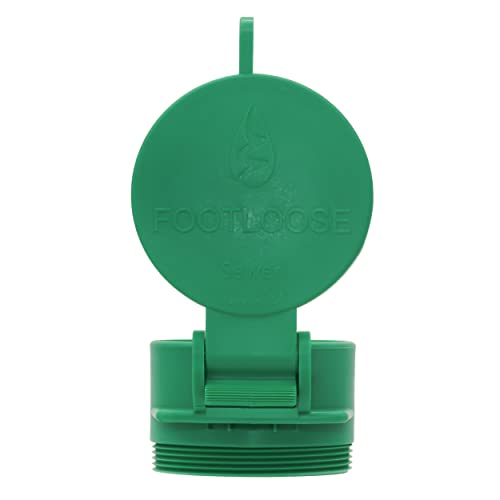
Enviro Design Products Footloose 4" Sewer Cap for RV Sites/Campgrounds | Odorless, Self-Closing, Easy to Install & Use | Male, Green, Polypropylene

RV CAMPING for VETERANS: The Ultimate Guide to Military RV Parks Across America (ULTIMATE RV CAMPING: Visual Field Guides)

Enviro Design Products Footloose 4" Sewer Cap for RV Sites/Campgrounds | Odorless, Self-Closing, Easy to Install & Use | Female, Orange, Polypropylene

Enviro Design Products Footloose 4" Sewer Cap for RV Sites | RV Parks and Campgrounds | Odorless, Self-Closing, Easy to Install & Use | Male, Orange, Polypropylene

Enviro Design Products Footloose 4" Sewer Cap for RV Sites/Campgrounds | Odorless, Self-Closing, Easy to Install & Use | Female, Green, Polypropylene
