How to Set Up a Tent in the Rain
Master the art of dry camping with our step-by-step guide, gear recommendations, and pro tips for rainy weather.
Rain on a camping trip doesn't have to ruin your adventure. With the right preparation, the right gear, and a solid technique, you can pitch your tent quickly and keep everything inside dry. Whether you're a beginner or a seasoned camper, this guide will help you stay comfortable and safe when the skies open up.
1 Choose the Right Tent & Footprint
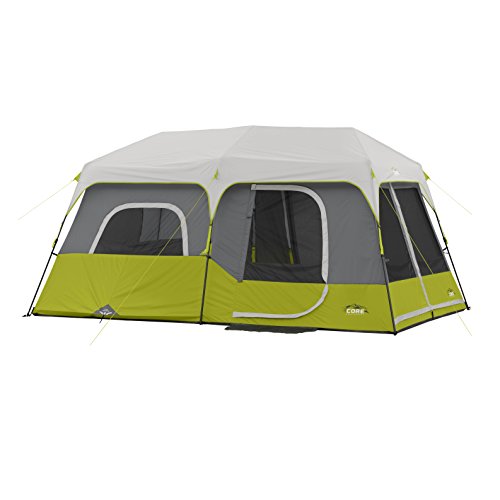
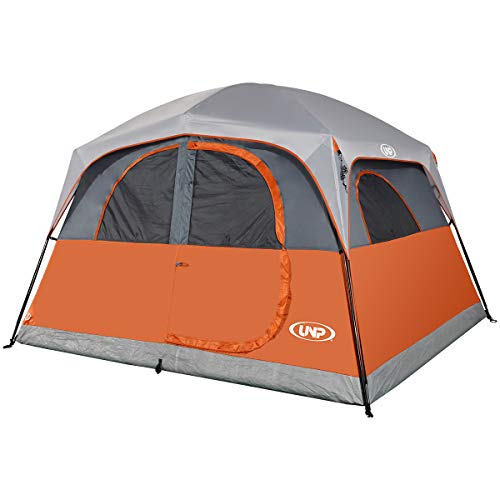
A waterproof tent with a full rainfly and a bathtub floor is your first line of defense. Look for a tent with taped seams and a hydrostatic head rating of at least 1,500 mm. Pair it with a tent footprint that matches your tent's floor size – it adds an extra layer of protection against ground moisture and sharp debris.
For rainy conditions, a freestanding tent is easier to pitch quickly, but any tent with a sturdy pole system can work. If you're camping in a downpour, consider a waterproof tent with a vestibule to store wet gear outside the sleeping area.
2 Prep Your Gear Before the Rain Hits
Check the forecast and practice tent care at home. Set up your tent once to familiarize yourself with the pole system and rainfly attachment. When rain is imminent, lay out your footprint, tent body, rainfly, and stakes within easy reach under a tarp or in your car.
Keep a microfiber towel inside your tent to wipe down any condensation or accidental drips. Store your sleeping bag and clothes in dry bags or waterproof compression sacks.
- Stake out the footprint – even if you don't stake the tent yet, securing the footprint prevents it from blowing away.
- Attach guylines to the rainfly before you pitch – this saves time in the rain.
- Open the tent door only when you're ready to enter, to minimize moisture getting inside.
3 Pitch the Tent Fast & Dry
Start by laying the footprint on the ground, then place the tent body on top. Assemble the poles and insert them through the sleeves or clips. Have a friend hold the tent upright while you secure the corners. If you're solo, anchor one corner with a stake before raising the poles.
Once the tent is standing, drape the rainfly over the top immediately – this is the most critical step. Attach the rainfly to the pole clips, then stake out the corners and guylines. A taut rainfly prevents water from sagging and pooling on top.
If you're setting up in heavy rain, consider using a heavy-duty tarp as an additional shelter over your tent area. This gives you a dry workspace and reduces the amount of rain hitting your tent.
4 Secure Your Tent Against Wind & Water
Stake down every guyline and corner, even if the weather looks calm. Wind can pick up quickly and shift your tent, allowing rain to blow under the rainfly. Use extra stakes and guylines to keep the rainfly away from the tent body – this promotes airflow and prevents condensation.
If you're expecting a storm, place your tent behind a natural windbreak like a bush or rock. Position the door away from the prevailing wind to keep rain from blowing in when you enter.
5 Stay Dry Inside: Ventilation & Storage
Once your tent is up, keep the rainfly vents open to reduce condensation from your breath. Use a small camping mat or a piece of tarp inside the door to wipe your feet before entering. Designate a "wet zone" near the door for wet shoes and rain gear.
Hang a small towel or pack a portable camping blanket to absorb any lingering moisture. If you have a camping cot or camping bed, elevating your sleeping area off the ground adds an extra barrier against dampness.
For longer trips, consider bringing a portable power station to run a small fan or dehumidifier, though these are optional for most campers.
Essential Rain-Ready Gear
💰 Typical Budget for Rain-Ready Tents
For a reliable 3-season waterproof tent with full rainfly, expect to pay:
- Entry-level: $120–$200 – Good for occasional use, moderate rain protection.
- Mid-range: $250–$450 – Better materials, taped seams, better ventilation.
- Premium: $500+ – Lightweight, high-denier fabrics, exceptional weather resistance.
Prices are approximate and may vary by brand, size, and features.
Final Thought: Setting up a tent in the rain is a skill that improves with practice. Use this guide to prepare, choose the right gear, and stay confident no matter the weather. With the right approach, rainy camping can be just as enjoyable – and far more memorable – than a sunny trip.
Ready to gear up? Check out our recommended products below to build your perfect rain-ready kit.