Canvas Hot Tent: The Ultimate Four-Season Shelter Guide
Discover why canvas hot tents are the gold standard for winter camping, extended trips, and off-grid adventures. Learn how to choose, use, and maintain a hot tent with a stove jack for unmatched comfort in any season.
START YOUR RESEARCHWhy Canvas? Unlike synthetic materials, canvas is naturally breathable, highly durable, and excels at regulating temperature and managing condensation. When paired with a wood stove, a canvas hot tent becomes a true four-season basecamp.
What Is a Canvas Hot Tent?
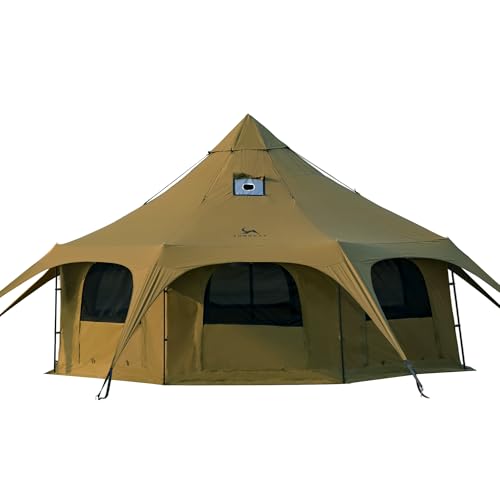
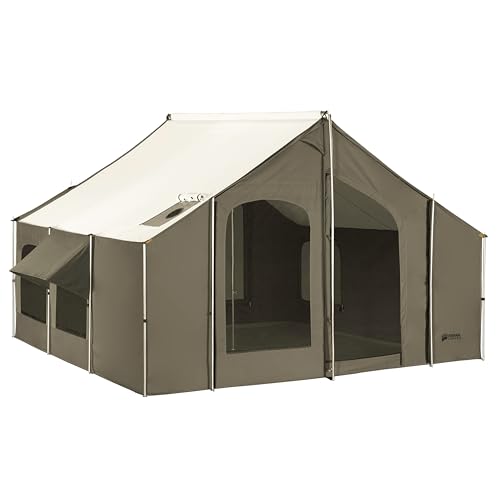
A canvas hot tent is a heavy-duty, four-season tent made from cotton or polyester-cotton canvas. Its defining feature is a stove jack—a heat-resistant port in the roof or wall that allows you to safely install a wood-burning stove inside. This transforms the tent into a warm, dry, and comfortable shelter, even in freezing temperatures.
Canvas hot tents are favored by winter campers, hunters, and extended-stay adventurers because they offer superior insulation, durability, and a cozy, cabin-like atmosphere. Unlike lightweight nylon tents, canvas is breathable, which reduces condensation and keeps the interior drier. This makes them ideal for hot tent camping in harsh conditions.
When choosing a canvas hot tent, consider the fabric weight (often measured in ounces per square yard), the stove jack's compatibility with your stove, and the tent's shape. Wall tents, bell tents, and A-frame designs are popular for their space and stability. For those who camp in extreme cold, a winter tents guide can help you compare canvas vs. synthetic options.
Key Benefits of Canvas Hot Tents
- Superior Warmth: Canvas insulates better than nylon, and a stove keeps the interior toasty. Learn more in our how to stay warm in winter guide.
- Breathability: Reduces condensation, keeping your gear and sleeping bag dry.
- Durability: Resists UV damage, mildew (with proper care), and tears. A well-maintained canvas tent can last for decades.
- Four-Season Use: Perfect for winter camping, but also great for spring and fall.
- Comfort & Atmosphere: Creates a cozy, home-like feel that synthetic tents can't match.
For a deeper dive into winter-ready shelters, see our guide to winter camping gear.
How to Choose the Right Canvas Hot Tent
Selecting the right canvas hot tent depends on your camping style, group size, and intended seasons. Here are the key factors to consider:
1. Size and Capacity
Canvas hot tents range from small 2-person models to large basecamp tents that sleep 8 or more. If you're camping solo, a compact 2-person tent is sufficient. For families or groups, consider a 4-person tent you can stand up in or a 6-person tent you can stand up in for added comfort. For larger groups, a 12-person tent with screened-in porch offers ample space.
2. Stove Jack Compatibility
The stove jack is the heart of a hot tent. Ensure it's sized for your stove pipe (typically 3 to 6 inches) and made from fire-resistant material. Some tents come with pre-installed jacks; others require you to cut and install one. If you're handy, you can set up a wall tent with logs and customize the stove jack position.
3. Fabric Weight and Treatment
Heavier canvas (10–12 oz) is more durable and insulates better but is heavier to transport. Lighter canvas (8 oz) is easier to pack but less warm. Look for water-repellent and mildew-resistant treatments. For winter use, a 4-season tent with stove jack for sale is a wise investment.
4. Shape and Setup
Wall tents offer the most space and headroom, while bell tents are easier to set up solo. A-frame tents are lightweight but less spacious. If you need a tent you can stand in, explore options like camping tents you can stand up in. For easy setup, consider a pop-up tent you can stand up in.
5. Portability
Canvas tents are heavy. If you're camping near your vehicle, weight is less of an issue. For backcountry trips, you'll need a lighter option or a portable yurt. Some campers use a tent that fits in bed of truck for easy transport.
Essential Gear for Canvas Hot Tent Camping
To get the most out of your canvas hot tent, you'll need the right accessories:
- Wood Stove: A portable wood stove designed for tents. Look for models with a spark arrestor and sturdy legs. A portable camping hiking hunting wood stove tent heater is a popular choice.
- Sleeping Bag: A compact sleeping bag for cold weather or an ultralight down sleeping bag 0 degree will keep you warm. For couples, consider single sleeping bags that zip together.
- Sleeping Pad: Insulation from the cold ground is critical. A backpacking sleeping pad for side sleepers or a lightest sleeping pad for backpacking works well. For luxury, a self-inflating queen size air mattress adds comfort.
- Lighting: A rechargeable battery-powered lantern is safe and bright. For ambiance, an outdoor decorative lantern or lantern floor light can enhance the cozy feel.
- Heating: Beyond the stove, a battery-powered space heater for camping can provide backup warmth. Never use fuel-burning heaters inside without proper ventilation.
- Safety: Always carry a camping first aid kit and review campfire safety rules. A winter emergency kit is essential for cold-weather trips.
Setting Up Your Canvas Hot Tent
Proper setup is crucial for safety and performance. Follow these steps:
- Choose a Level Site: Clear the area of debris, rocks, and overhanging branches. If camping in snow, pack the snow down first. Learn more in setting up a tent in the snow.
- Stake Out the Base: Use heavy-duty stakes. For platforms, see setting up a tent on a platform.
- Assemble the Frame: Follow the manufacturer's instructions. Some tents use poles; others use an external frame. If you're using logs, refer to setting up a wall tent with logs.
- Install the Stove Jack: Ensure the jack is properly sealed and the stove pipe fits snugly. Never use a stove without a spark arrestor.
- Ventilation: Always keep a vent open to prevent carbon monoxide buildup. Even in winter, proper airflow is essential.
- Secure the Tent: Use guy lines and additional stakes in windy conditions. If camping in extreme cold, check out keeping a tent warm in cold weather.
For more tips on winter camping setup, see our guide on camping in the winter in a tent.
Safety and Maintenance Tips
Canvas hot tents require care to ensure longevity and safety:
- Fire Safety: Never leave a stove unattended. Keep a fire extinguisher and water nearby. Follow all campfire regulations and fire ban guidelines.
- Carbon Monoxide: Install a CO detector inside the tent. Ensure adequate ventilation at all times.
- Weatherproofing: Re-treat canvas with waterproofing agents as needed. Store dry to prevent mildew.
- Cleaning: Brush off dirt and debris. For deep cleaning, use mild soap and water. Never machine wash canvas.
- Repairs: Patch small tears promptly. Keep a repair kit with you. For more on wilderness first aid, see wilderness first aid.
For winter-specific safety, review winter camping safety and prevent frostbite.
Best Places for Canvas Hot Tent Camping
Canvas hot tents shine in cold, remote locations. Consider these destinations:
- Winter camping in Colorado – High-altitude snow and stunning views.
- Winter camping in Yellowstone – A true winter wonderland.
- Snow camping in Alaska – For the ultimate Arctic experience.
- Winter camping in Canada – Vast wilderness and pristine lakes.
- Montana wilderness – Remote and rugged.
For more ideas, explore best winter camping in the US and camping destinations.
Frequently Asked Questions
Can I use a canvas hot tent in summer?
Yes, but canvas is heavy and warm. In hot weather, you'll want plenty of ventilation. Many campers use canvas tents primarily in spring, fall, and winter. For summer, consider a pop-up screen tent with rain flaps or a lightweight beach shade.
How do I prevent condensation in a canvas hot tent?
Canvas is breathable, which helps, but proper ventilation is key. Keep a vent open and avoid sealing the tent completely. A anti-condensation mat for roof top tent can also help in some setups.
What size stove do I need?
It depends on tent size and outside temperature. A small stove is fine for a 2-person tent, while larger tents need a bigger stove. Always follow the tent and stove manufacturers' guidelines.
Are canvas hot tents worth the weight?
For winter camping and extended trips, absolutely. The comfort, durability, and warmth are unmatched. If you're backpacking long distances, you may prefer a ultralight backpacking stove and a lighter tent. For car camping, weight is less of an issue.
How do I store a canvas hot tent?
Store it clean and completely dry in a cool, dry place. Never store it wet, as mildew can form. Use a 10x10 canopy replacement bag with wheels for easy transport and storage.
Final Thoughts
A canvas hot tent is a game-changer for anyone who loves cold-weather camping. With the right stove, gear, and setup, you can enjoy the outdoors in comfort and style, even in the harshest conditions. Whether you're a solo adventurer or a family camper, a canvas hot tent provides a warm, durable, and inviting shelter that will last for years.
Before you buy, consider your needs, do your research, and invest in quality. For more guidance, explore our camping FAQ and first time camping tips.