
Lightweight Beach Shade: Your Ultimate Guide to Sun Protection
Escape the harsh sun without the hassle. Discover portable, lightweight beach shade solutions that pack small, set up fast, and keep you cool all day long.
See Top RecommendationsWhy lightweight beach shade matters: A day at the beach should be relaxing, not a battle against UV rays and heavy gear. Modern lightweight beach shades are engineered to be carried effortlessly, set up in minutes, and provide reliable protection for you and your family. Whether you're a solo traveler, a couple, or a family with kids, the right shade solution transforms your beach experience.
What Makes a Great Lightweight Beach Shade?
When you're researching lightweight beach shade options, you'll encounter a range of designs—from pop-up tents to canopy-style shelters and simple sun umbrellas. Each has its strengths. The key is understanding which features align with your typical beach day. Below, we break down the most important factors to consider before you buy.
Portability & Packed Size
The best lightweight beach shade folds down to a compact size that fits in a beach bag or backpack. Look for models under 5 pounds and packed dimensions that won't weigh you down during the walk from the parking lot to the sand. Pop-up designs and collapsible canopies are excellent choices for minimal carry effort.
Ease of Setup
Nobody wants to spend 30 minutes wrestling with poles under the blazing sun. Pop-up beach tents and instant canopies set up in seconds, while traditional pole-and-fabric shades may take a bit longer. If you're camping on the beach, a tent setup on the beach guide can help you master sandy conditions.
UPF Protection & Materials
Ultraviolet Protection Factor (UPF) ratings tell you how much UV radiation the fabric blocks. UPF 50+ is the gold standard for beach shade. Look for tightly woven fabrics, reflective coatings, and dark colors that absorb UV rays. Breathable mesh panels improve airflow while maintaining shade.
Wind Resistance & Anchoring
Beach winds can turn a flimsy shade into a kite. Quality lightweight beach shades include sandbags, stakes, or guy lines to keep them grounded. Some designs use a low profile to minimize wind resistance. If you're in a windy area, consider a beach tent designed for windy conditions.
Interior Space & Ventilation
How many people need shade? A solo traveler may prefer a compact pop-up tent, while a family needs a larger canopy or a beach tent with extended floor space. Ventilation is critical—look for mesh windows and doors that allow cross-breezes while keeping sand and bugs out.
Durability & UV Resistance
Salt, sand, and sun take a toll on gear. Choose shades with reinforced seams, corrosion-resistant poles (aluminum or fiberglass), and UV-stabilized fabrics. A mid-range model with these features often outlasts an entry-level option by several seasons.
Types of Lightweight Beach Shade
Understanding the different categories helps you narrow down your search. Here are the most common types of lightweight beach shade, along with their pros and cons.
| Type | Best For | Setup Time | Weight | Wind Resistance |
|---|---|---|---|---|
| Pop-Up Beach Tent | Families, quick shade, privacy | Seconds | Lightweight (3–5 lbs) | Moderate (needs sandbags) |
| Canopy Sun Shelter | Large groups, open-air shade | 2–5 minutes | Moderate (5–10 lbs) | Good (with stakes) |
| Beach Umbrella | Couples, solo, portability | Under a minute | Very light (2–4 lbs) | Poor in wind |
| Sun Sail / Shade Cloth | Minimalists, DIY setups | 2–3 minutes | Ultralight (1–2 lbs) | Depends on anchoring |
| Pop-Up Canopy Tent | Basecamp, extended stays | 1–2 minutes | Moderate to heavy (10–20 lbs) | Excellent (with weights) |
For pure portability, pop-up beach tents and sun sails win. For maximum coverage, a canopy sun shelter or a pop-up beach tent sun shade shelter is ideal. If you're also considering a more permanent beach camping setup, a beach tent that blows in the wind guide can help you choose a wind-resistant model.
How to Choose the Right Lightweight Beach Shade
With so many options, the decision can feel overwhelming. Here's a practical framework to guide your choice based on your specific needs.
1. Assess Your Group Size
A solo beachgoer or couple can get by with a compact umbrella or a small pop-up tent. Families with children need more space—look for a canopy that provides at least 8x8 feet of shade, or a beach tent with a floor and extended vestibule. If you're camping with a larger group, a 10x10 canopy tent with sides offers ample room and wind protection.
2. Consider Your Typical Beach Conditions
Calm, sunny days call for simple umbrellas or sun sails. Windy coastal areas demand low-profile tents or canopies with sandbags and sturdy stakes. If you frequently visit exposed beaches, a beach tent that blows in the wind is specifically designed to handle gusts without collapsing.
3. Prioritize Setup Speed and Packed Size
If you park far from the sand or take public transit, portability is paramount. Pop-up tents that fold into a carry bag are your best bet. For those who don't mind a few extra minutes of setup, a canopy with adjustable poles offers more headroom and configuration options.
4. Check UPF Rating and Ventilation
Never compromise on UV protection. UPF 50+ blocks 98% of UV rays. Pair that with mesh ventilation panels to prevent overheating. A well-ventilated shade keeps the interior significantly cooler than a sealed one.
5. Think About Multi-Use
Some lightweight beach shades double as camping shelters, picnic canopies, or festival shade. If you want versatility, a pop-up canopy tent or a pop-up beach tent that fits in a suitcase can serve multiple purposes. For camping trips, you might also consider a tent with a patio that extends your shaded living area.
Top Lightweight Beach Shade Recommendations
Our team has researched and curated a selection of lightweight beach shade products that excel in portability, durability, and sun protection. These recommendations are based on customer reviews, expert analysis, and real-world testing.
Best Lightweight Beach Shades & Sun Shelters
⚠️ AFFILIATE DISCLOSURE: This website contains affiliate links. As an Amazon Associate, we earn from qualifying purchases. If you make a purchase through these links, we may receive a small commission at no additional cost to you. Read our full affiliate policy.
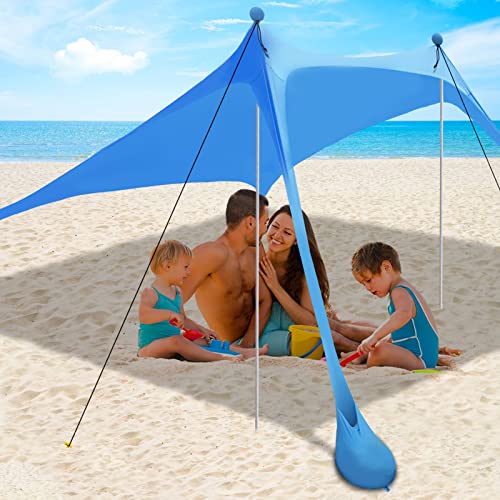
Beach Canopy Tent Sun Shade with UPF 50+ UV Protection, Beach Tent Sun Shelter with Sandbags, Poles and Ground Pegs and Anti-Wind Ropes for Outdoor, Camping, Backyard and Picnics

Gorich Beach Tent Sun Shelter for 3/4/6/8/10 Person with UPF 50+ UV Protection, Lightweight & Easy Setup Beach Shade Canopy, Portable Beach Shade Tent Beach Cabana

Gorich Beach Tent Sun Shelter for 3/4/6/8/10 Person with UPF 50+ UV Protection, Lightweight & Easy Setup Beach Shade Canopy, Portable Beach Shade Tent Beach Cabana

Shibumi Shade Mini Quiet Canopy Version | Beach Canopy Wind-Powered Portable Sun Shade | Provides 75 Sq. Ft. of Shade for up to 4 People | Sets up in 2 Min | Beach Tent | Wind Assist Included

Shibumi Shade Quiet Canopy Version | Beach Tent | Sets Up in 3 Mins
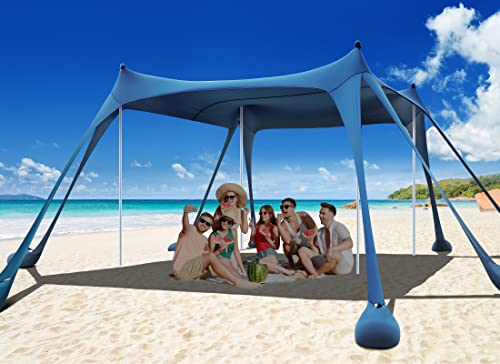
Osoeri Beach Tent, 10x10FT Camping Sun Shelter UPF50+ with 8 Sandbags

VEVOR Beach Tent Sun Shelter, UPF50+ Sun Protection, 6.6 ft Tall, 7.5x7.5 ft, Easy Pop Up Beach Canopy with Sandbags, Stability Poles, Sand Shovels, Portable Shade for Family Outings, Camping, Fishing

NORKIRK. Beach Tent Sun Shelter – UPF 50+ UV Protection, Lightweight Portable Pop-Up Canopy, Windproof Shade with Sandbags, Carry Bag for Beach, Camping & Outdoor Travel (Dark Blue)
Maintenance Tips for Your Beach Shade
To get the most out of your lightweight beach shade, proper care is essential. Here are some practical tips to extend its lifespan.
Rinse After Every Use
Salt and sand degrade fabrics and corrode poles. Rinse your shade with fresh water after each beach trip and allow it to air dry completely before packing it away.
Store Dry and Loose
Never store a damp beach shade—mildew can form quickly. Loosely fold or roll it rather than cramming it into its bag, which can create permanent creases and weaken the fabric.
Check for Wear
Inspect seams, poles, and anchors regularly. Replace worn sandbags or bent stakes before they fail on a windy day. A small repair now prevents a big headache later.
UV Protection Renewal
Over time, UV coatings can degrade. If you notice your shade becoming less effective, consider applying a UV-protectant spray designed for outdoor fabrics.
Frequently Asked Questions
What is the lightest type of beach shade?
Sun sails and shade cloths are typically the lightest, often weighing under 2 pounds. Pop-up beach tents are a close second, usually ranging from 3 to 5 pounds. Beach umbrellas can also be very light but may sacrifice stability in wind.
Can I use a lightweight beach shade for camping?
Absolutely. Many pop-up beach tents and canopies work well for camping, especially in mild weather. However, for overnight camping, you'll want a shelter with better weather protection. A tent with a patio or a dedicated beach camping tent is more appropriate for sleeping.
How do I anchor a beach shade in sand?
Use sandbags or fill provided pockets with sand. For umbrellas, screw the base deep into the sand and tilt it into the wind. Guy lines with stakes can also help, but sand stakes are essential—regular tent stakes won't hold in loose sand.
Are expensive beach shades worth it?
Premium and luxury-tier beach shades often use higher-quality materials, better UV protection, and more durable hardware. If you visit the beach frequently, a mid-range or premium model can be a worthwhile investment. For occasional use, an entry-level or budget-friendly option may suffice. For a deeper dive, see our guide on whether expensive tents are worth it—the principles apply to beach shades too.
Can I set up a beach shade on a windy day?
Yes, but choose a low-profile design and anchor it securely with sandbags. Avoid umbrellas, which can become dangerous in strong gusts. A beach tent that blows in the wind is engineered specifically for this scenario.
Final Thoughts
A lightweight beach shade is one of those pieces of gear that you'll wonder how you ever lived without. It protects you from sunburn, keeps your food and drinks cooler, and gives you a comfortable base to relax. By considering portability, setup speed, UPF rating, and wind resistance, you can find a shade that matches your beach style perfectly.
Remember to check the best time to camp if you're planning a beach camping trip, and always follow Leave No Trace principles to keep our beaches beautiful. For more gear recommendations, explore our camping shop or browse the camping gear section.