Ultralight Backpacking Stove: The Complete Guide to Lightweight Cooking Systems
Discover how to choose the perfect ultralight stove for your backpacking adventures. Compare canister, alcohol, and wood-burning models to find the ideal balance of weight, performance, and convenience.
EXPLORE TOP PICKSWhy Every Ounce Matters on the Trail
When you're miles into a thru-hike or climbing a steep mountain pass, the weight of your pack directly impacts your endurance, speed, and overall enjoyment. An ultralight backpacking stove is one of the most impactful pieces of gear you can optimize. Traditional camping stoves can weigh several pounds, but modern ultralight options often come in under 100 grams—some even under 30 grams. By switching to a lightweight cooking system, you can shave significant weight from your pack without sacrificing your ability to enjoy a hot meal or a warm drink at camp. This guide will walk you through the different types of ultralight stoves, their pros and cons, and how to choose the best one for your specific needs. If you're still considering the broader category, you can read our guide on what makes a good camping stove before diving into ultralight specifics.
Types of Ultralight Backpacking Stoves
There are three main categories of ultralight stoves, each with distinct advantages and trade-offs. Understanding these differences is key to making an informed decision.
1. Canister Stoves
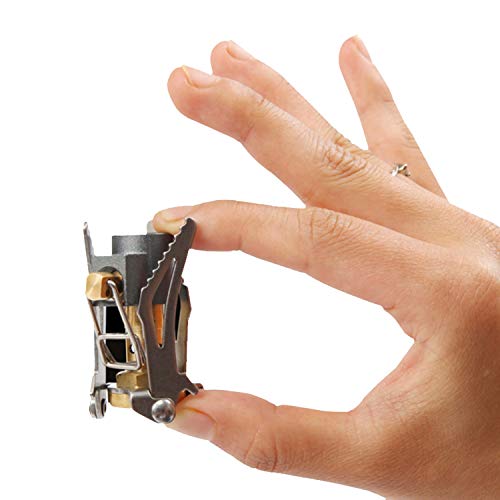
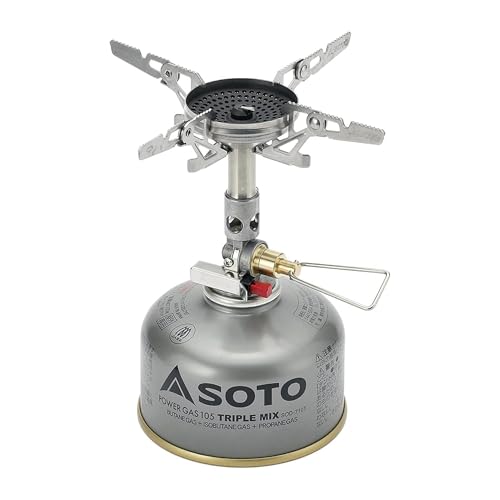
Canister stoves are the most popular choice for backpackers who prioritize convenience and performance. They screw onto a pressurized canister of isobutane or propane blend and offer instant, adjustable flames. The stove itself is often just a burner head and a valve, weighing as little as 25 grams. However, the canister adds weight and must be packed out. Canister stoves excel in three-season conditions but struggle in freezing temperatures unless they have a preheating tube. For those who enjoy a more traditional cooking setup at base camp, a propane stove top offers familiar performance, but for backpacking, canister stoves are the gold standard. If you're setting up a permanent camp kitchen, a portable camp kitchen might be more suitable, but it's far too heavy for backpacking.
✅ Pros
- Instant ignition and precise flame control
- Clean-burning and efficient
- Very lightweight stove heads
- No fuel priming or maintenance required
- Widely available fuel canisters
❌ Cons
- Canister weight and bulk
- Poor performance in cold weather
- Cannot fly with fuel canisters
- Empty canisters must be packed out
2. Alcohol Stoves
Alcohol stoves are the darlings of the ultralight community. They are incredibly simple—often just a small metal cup with holes—and weigh next to nothing. They burn denatured alcohol or methanol, which is widely available at hardware stores. Alcohol stoves have no moving parts, so they are virtually indestructible. However, they are slower to boil water and offer no flame adjustment. They also perform poorly in cold weather and wind. For solo backpackers on a tight weight budget, an alcohol stove is a compelling option. If you're planning a trip that involves a bit more comfort, like car camping, you might prefer a larger stove, but for pure ultralight travel, alcohol stoves are hard to beat.
✅ Pros
- Extremely lightweight (often under 30g)
- No moving parts to break
- Fuel is inexpensive and widely available
- Silent operation
- Very compact
❌ Cons
- Slow boil times
- No flame control
- Poor cold-weather performance
- Requires a windscreen
- Fuel is toxic and must be handled carefully
3. Wood-Burning Stoves
Wood-burning stoves, also known as biomass stoves, use twigs, pinecones, and other natural debris as fuel. They are ideal for environments where you can't or don't want to carry fuel. The stove itself is typically a small metal cylinder that weighs between 100 and 300 grams. While not the absolute lightest option, they eliminate the need to carry any fuel at all, which can be a significant weight savings on longer trips. However, they require dry wood, leave a fire trace, and are not suitable for areas with fire bans. They also blacken the bottom of your pot, requiring more cleanup. For those who enjoy a traditional campfire experience, a wood-burning stove can be a rewarding choice. Just be sure to check local regulations, as some areas have strict campfire regulations.
✅ Pros
- No fuel to carry
- Unlimited burn time if wood is available
- Provides a campfire-like experience
- Works in most weather conditions
- Durable construction
❌ Cons
- Requires dry wood and fire-starting skills
- Not allowed during fire bans
- Leaves soot on pots
- Heavier than canister or alcohol stoves
- Can be messy
Ultralight Stove Comparison at a Glance
| Stove Type | Weight Range | Boil Time | Fuel Type | Best For | Quality Tier |
|---|---|---|---|---|---|
| Canister | 25–100g (stove only) | 2–4 min | Isobutane/propane canister | Three-season backpacking, convenience | Mid-range to Premium |
| Alcohol | 15–50g | 5–10 min | Denatured alcohol, methanol | Ultralight solo trips, budget-friendly | Entry-level to Mid-range |
| Wood-Burning | 100–300g | 4–8 min | Twigs, pinecones, biomass | Emergency prep, natural fuel source | Mid-range |
How to Choose the Right Ultralight Stove
Selecting the best ultralight backpacking stove depends on several factors, including your hiking style, the environments you frequent, and your cooking needs.
Consider Your Trip Length and Environment
For short weekend trips, a canister stove is often the most convenient choice. For long thru-hikes where resupply points are frequent, alcohol stoves can save weight. If you're hiking in an area where fires are permitted and you enjoy the challenge of foraging for fuel, a wood-burning stove is a great option. Always check local regulations, especially regarding fire bans and Leave No Trace principles.
Think About Your Cooking Style
If you're just boiling water for dehydrated meals, an alcohol stove or a minimalist canister stove is sufficient. If you plan to cook real meals, a canister stove with a wider burner head and better flame control will be more versatile. For those who want to cook for a group, a two-burner stove might be necessary, but it's far from ultralight. For solo backpackers, a simple ultralight backpacking stove is usually the best choice.
💡 Pro Tip: Always test your stove before a trip. Practice lighting it, adjusting the flame, and boiling water in your backyard. This ensures you're familiar with its quirks and can troubleshoot in the field. Also, consider the availability of fuel along your route. Canister fuel is widely available in outdoor stores, while denatured alcohol can be found in hardware stores.
Integrating Your Stove with Other Ultralight Gear
Your stove is just one part of your ultralight cooking system. To maximize efficiency, consider the following:
- Cookware: A lightweight titanium or aluminum pot is essential. Look for a pot with a lid and a heat exchanger if you want faster boil times. Our guide to camping cooking ware can help you choose.
- Windscreen: A windscreen can dramatically improve fuel efficiency, especially for alcohol stoves. Make sure it's compatible with your stove and doesn't trap too much heat.
- Utensils: A long-handled spoon and a small lighter are all you need. Keep it simple.
- Fuel Storage: For alcohol stoves, a small, leak-proof bottle is essential. For canister stoves, choose the smallest canister that will meet your needs.
- Bear Safety: Remember that cooking smells can attract wildlife. Store your food and scented items properly. Learn more in our guide on food storage rules.
Frequently Asked Questions
Alcohol stoves are generally the lightest option, as they have no moving parts and burn denatured alcohol. Some models weigh as little as 15 grams. However, they are slower and offer less temperature control than canister stoves.
Yes, for backpackers and thru-hikers, every ounce counts. An ultralight stove reduces pack weight, saving energy on long trails. They are also compact and easy to pack. However, if you primarily car camp, a heavier, more feature-rich stove may be more convenient.
Canister stoves lose pressure in cold weather. For winter use, consider a liquid fuel stove or a canister stove with a preheating tube. Alcohol stoves also work but are slower in freezing temperatures. For more tips, see our winter camping guide.
The best fuel depends on your needs. Canister stoves are convenient and clean. Alcohol stoves are lightweight and fuel is widely available. Wood-burning stoves require no fuel but need dry wood and leave a fire trace. Consider the environment and local regulations before choosing.
Ready to Lighten Your Pack?
Explore our top recommendations for ultralight backpacking stoves below. These models are chosen for their weight, performance, and reliability on the trail.
View Recommended Stoves