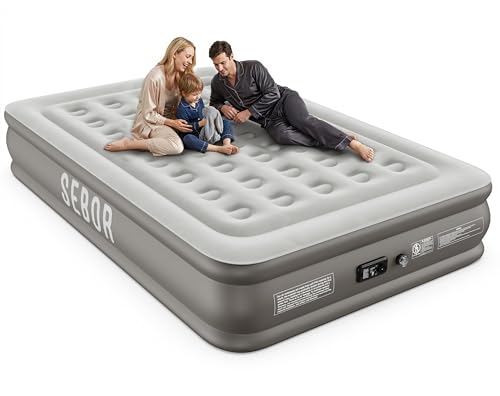
Self Inflating Queen Size Air Mattress: The Complete Guide
Everything you need to know about choosing, using, and maintaining a self inflating queen size air mattress for camping comfort and guest-ready convenience.
START YOUR RESEARCHWhy a Self Inflating Queen Size Air Mattress? Unlike standard air mattresses that rely solely on air pressure, a self inflating model combines open-cell foam with an air chamber. This hybrid design delivers superior insulation, consistent support, and the convenience of automatic inflation. For campers who refuse to compromise on sleep quality, it is a game-changer.
What Is a Self Inflating Queen Size Air Mattress?
A self inflating queen size air mattress is a hybrid sleep surface that blends the comfort of foam with the adjustability of an air mattress. Inside the airtight chamber, a layer of open-cell foam is compressed. When you unroll the mattress and open the valve, the foam springs back to its original shape, pulling air into the chamber automatically. This process gives you a partially inflated mattress within minutes. You then add a few breaths of air or use a pump to fine-tune the firmness to your preference.
The queen size designation means you get a generous 60 by 80 inch sleeping surface — roughly the same footprint as a standard queen bed. This makes it ideal for couples, families with young children, or anyone who simply wants room to stretch out. For those who prefer a traditional air mattress experience, a queen size air mattress with built-in pump is a worthy alternative, but self inflating models offer distinct advantages in warmth and stability.
Self inflating technology was originally developed for backpacking sleeping pads, where every ounce counts. Today, that same technology has been scaled up for car camping, glamping, and even guest beds at home. If you have ever struggled with a double high air mattress with built-in pump that slowly loses air overnight, a self inflating model may be the upgrade you have been looking for.
How Does Self Inflation Work?
Understanding the mechanism helps you use your mattress correctly and troubleshoot common issues. Here is the step-by-step process:
1. Unroll and Open the Valve
Lay the mattress flat on a clean, dry surface. Twist the valve to the open position. You will hear air rushing in as the foam begins to expand.
2. Wait for Foam Expansion
Give the foam 5 to 15 minutes to fully expand. The mattress will inflate to roughly 70–80% of its final firmness during this phase.
3. Top Off with Air
Close the valve, then add air by mouth or with a pump until the mattress reaches your desired firmness. Many campers prefer a slightly softer surface for side sleeping.
4. Deflate and Roll
To pack up, open the valve and roll the mattress from the foot toward the head, pushing air out as you go. The foam compresses flat for storage.
One of the biggest advantages of this system is that you never need to carry a separate pump. That said, if you want the ultimate convenience, pairing your self inflating mattress with a airbed with pump can speed up the top-off process, especially in cold weather when foam expands more slowly.
Key Factors to Consider Before Buying
Not all self inflating queen size air mattresses are created equal. The following factors will help you separate entry-level options from premium models and choose the one that matches your needs.
Thickness and Comfort
Self inflating queen mattresses typically range from 3 to 6 inches thick. Entry-level models tend to be thinner and better suited for occasional use or lighter campers. Mid-range options usually land in the 4 to 5 inch range and offer a better balance of packability and comfort. Premium and luxury models can reach 6 inches or more, providing a sleep surface that rivals a home mattress. If you are a side sleeper or weigh more than 200 pounds, aim for at least 4 inches of thickness to prevent bottoming out.
Foam Quality and Density
The foam core is the heart of a self inflating mattress. Higher-density foam provides better support, resists compression over time, and insulates more effectively against cold ground. Entry-level mattresses often use lower-density foam that may flatten after repeated use. Mid-range and premium models use higher-density foam that holds its shape season after season. If you camp in cold weather, foam density directly affects how warm you sleep — a critical consideration for winter camping trips.
Valve Design and Air Retention
A quality valve is essential for a leak-free experience. Look for a two-way valve that allows you to inflate without air escaping and deflate without fighting resistance. Some premium models feature a dual-lock valve system that seals airtight even if the cap is accidentally bumped. Budget-friendly mattresses may use simpler twist valves that work fine but require more care. Always test the valve before your trip — a slow leak can ruin a night's sleep.
Fabric and Durability
The outer fabric determines how well the mattress resists punctures, abrasion, and moisture. Entry-level models often use a basic polyester shell that is lightweight but less durable. Mid-range options typically feature a TPU or PVC-coated fabric with a non-slip bottom. Premium mattresses may use a brushed polyester or microfiber top for a softer feel, combined with a rugged bottom that stands up to rough ground. If you frequently camp on rocky or uneven terrain, consider pairing your mattress with a ground tarp or a comfortable sleeping mat for camping for added protection.
Self Inflating vs. Standard Air Mattress: What's the Difference?
If you are deciding between a self inflating queen size air mattress and a traditional air mattress, the table below breaks down the key differences.
| Feature | Self Inflating Queen Air Mattress | Standard Queen Air Mattress |
|---|---|---|
| Inflation Method | Foam expansion + manual top-off | Manual pump or built-in pump |
| Comfort | Firmer, more consistent support | Adjustable but can feel bouncy |
| Insulation | Excellent — foam blocks cold | Poor — air transfers cold |
| Packability | Bulkier and heavier | More compact when deflated |
| Setup Time | 5–15 minutes (self inflates) | 2–5 minutes (with pump) |
| Best For | Car camping, guests, cold weather | Backpacking, quick trips, tight storage |
| Durability | Good — foam resists stretching | Moderate — prone to leaks over time |
For a deeper dive into the differences, see our guide on camping vs glamping to understand how sleep systems fit into different outdoor experiences.
Pros and Cons of a Self Inflating Queen Size Air Mattress
Advantages
- No pump required for basic inflation
- Superior insulation for cold-weather camping
- Firmer, more supportive sleep surface
- Less bouncy than standard air mattresses
- Works as a guest bed at home
- Foam core resists punctures better than thin air chambers
Limitations
- Heavier and bulkier than standard air mattresses
- Not suitable for backpacking
- Takes longer to fully inflate in cold weather
- Higher-quality models cost more than basic air mattresses
- Requires careful storage to prevent foam degradation
Best Uses for a Self Inflating Queen Size Air Mattress
Car Camping and Family Trips
When you have a vehicle to carry gear, the weight and bulk of a self inflating mattress are non-issues. The comfort payoff is enormous, especially for families. Pair it with a tent with patio for a spacious base camp that feels like a home away from home.
Guest Bedroom at Home
A self inflating queen mattress is an excellent temporary guest bed. It stores easily in a closet, sets up in minutes, and provides better support than a standard air mattress. Your guests will thank you.
Cold-Weather Camping
The foam core provides critical insulation against cold ground. For winter trips, combine it with a winter sleeping bag and a battery powered space heater for camping to stay warm all night.
Glamping and Luxury Camping
If you enjoy glamping, a self inflating queen mattress is a must-have. It bridges the gap between roughing it and sleeping in a real bed, especially when paired with a canvas hot tent.
Setup, Maintenance, and Storage Tips
Proper care extends the life of your self inflating queen size air mattress and ensures it performs reliably trip after trip.
Before First Use
Unroll the mattress at home and let it fully inflate. Leave it for 24 hours to allow the foam to fully expand and any manufacturing odors to dissipate. This step is especially important for new mattresses.
At the Campsite
Clear the ground of sharp objects, twigs, and rocks. Place a ground tarp or footprint underneath the mattress for extra protection. Avoid setting up on hot surfaces like asphalt or sand that can damage the fabric.
Cleaning
Wipe the surface with a damp cloth and mild soap. Avoid harsh chemicals or abrasive cleaners. For stubborn stains, use a soft brush. Always allow the mattress to dry completely before rolling it up.
Storage
Store the mattress unrolled with the valve open in a cool, dry place. This prevents the foam from staying compressed and losing its rebound. If space is tight, roll it loosely rather than tightly. Never store it in a hot car or attic.
If you are setting up camp in wet conditions, our guide on how to set up a tent in the rain offers valuable tips for keeping your sleep system dry. And if you are camping on a platform, see setting up a tent on a platform for best practices.
Common Mistakes to Avoid
Over-Inflating
Adding too much air puts stress on the seams and can cause leaks. Inflate until the mattress feels firm but still has a slight give when you press down.
Storing Compressed
Keeping the mattress rolled tight for months on end compresses the foam and reduces its ability to self inflate. Store it unrolled whenever possible.
Ignoring Small Leaks
A slow leak can turn a comfortable night into a restless one. Inspect the valve and seams regularly. Patch kits are inexpensive and easy to use.
Using on Rough Ground
Sharp rocks, pine needles, and twigs can puncture the bottom fabric. Always use a ground tarp or choose a smooth, cleared campsite.
Frequently Asked Questions
Ready to Upgrade Your Camping Sleep?
A self inflating queen size air mattress is one of the best investments you can make for outdoor comfort. Whether you are a weekend car camper, a family adventurer, or someone who simply wants a reliable guest bed, the right mattress transforms your experience.
VIEW RECOMMENDED MODELSRelated Guides and Resources
Explore more of our camping gear guides to build a complete sleep and shelter system:
- → King Size Self Inflating Air Mattress Guide
- → Full Size Air Mattress with Battery Pump
- → Double High Airbed with Built-In Pump
- → Queen Size Air Mattress with Built-In Pump
- → Raised Queen Air Mattress with Built-In Pump
- → All-in-One Sleeping Bag and Mattress
- → Most Comfortable Way to Sleep in a Tent
- → Sleeping Bag Temperature Guide
- → Camping FAQ