Camping in the Winter in a Tent: The Ultimate Survival & Comfort Guide
Transform freezing nights into cozy adventures. This comprehensive guide covers everything from choosing a 4-season tent and staying warm to essential safety protocols for snow camping.
EXPLORE WINTER GEARThe silence of a snow-covered forest, the crisp, clean air, and the absence of crowds make winter camping an unparalleled experience. However, sleeping in a tent when temperatures drop below freezing is a fundamentally different challenge than a summer trip. It demands respect for the elements and specialized equipment. This guide will walk you through how to not just survive, but genuinely enjoy camping in the winter in a tent, ensuring you stay safe, warm, and comfortable on your cold-weather adventure.
Choosing the Right Winter Tent
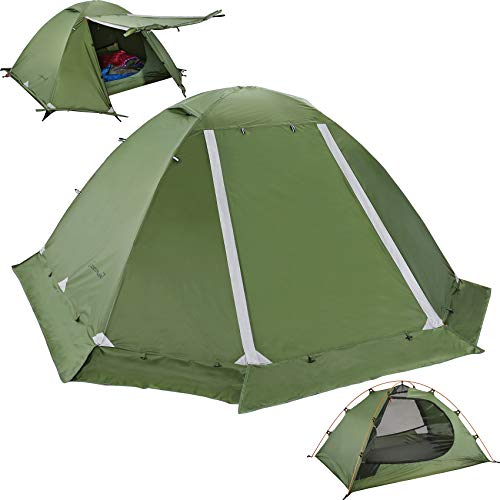
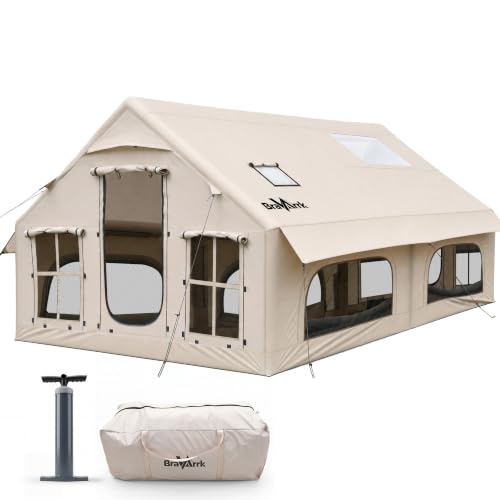
The first line of defense against the cold is your shelter. While a standard 3-season tent might suffice for a clear, calm night with light snow, serious winter camping requires a dedicated winter tent, often referred to as a 4-season tent. These are not necessarily warmer by insulation, but their structural integrity is what sets them apart. They feature stronger, often aluminum, poles and a geodesic dome structure designed to withstand heavy snow loads and fierce winds that would flatten a lesser tent. A critical feature is reduced mesh paneling and a solid, often extended, rainfly that reaches close to the ground to block spindrift and wind. For the warmest experience in extreme conditions, consider a hot tent, which is designed with a stove jack to safely accommodate a portable wood-burning stove.
The Three-Part Sleeping System for Cold Weather
Your sleeping system is where the battle for warmth is won or lost. It must be approached as an integrated, three-part system. A failure in one component will compromise your entire night. Expect to invest more in this part of your kit than any other; quality gear here is non-negotiable for comfort and safety.
| Component | Key Specification | Recommendation for Winter |
|---|---|---|
| Sleeping Pad | R-Value (insulation) | An R-value of 5 or higher. Use a closed-cell foam pad under an inflatable one for a combined high R-value and redundancy against punctures. This is the most critical element to prevent conductive heat loss to the frozen ground, as discussed in our guide on camping mats. |
| Sleeping Bag | Temperature Rating (EN/ISO) | Choose a bag with a Lower Limit rating at least 10°F (6°C) lower than the expected nighttime low. Down offers the best warmth-to-weight ratio but loses all insulating power when wet, so keep it dry. Synthetic bags are a moisture-resistant alternative. For a deep dive, see our best winter sleeping bags guide. |
| Sleeping Bag Liner | Material | A fleece or Thermolite liner can add 10°F to 25°F of warmth, protect your bag from body oils, and provide a washable layer of comfort. A simple, lightweight insurance policy for a warmer night. |
Active Strategies to Stay Warm in a Tent
Staying warm is an active process, not just a function of your gear. What you do before and during your sleep cycle has a massive impact on your warmth. A common question is about using external heat sources, but a well-executed passive system is always the most reliable foundation. Before considering any external heat, you must master cold weather camping safety fundamentals.
1. Fuel the Furnace
Your body is a furnace that needs fuel. Eat a high-calorie, high-fat snack like nuts, cheese, or chocolate right before bed. This jumpstarts your metabolism and provides sustained energy to generate body heat throughout the night. Ensure proper camping meals are planned for the entire trip.
2. Hydrate Strategically
Dehydration thickens your blood, reducing circulation to your extremities and making you feel colder. Drink warm water or herbal tea. Critically, use the bathroom right before sleeping; your body wastes valuable energy keeping a full bladder of liquid warm. Knowing how to melt snow for water is a vital skill.
3. The Hot Water Bottle Trick
Boil water and pour it into a durable, leak-proof Nalgene bottle. Tighten the lid firmly, stuff it inside a thick sock, and toss it into the foot of your sleeping bag. This creates a safe, portable radiator that will last for hours, turning a freezing foot-box into a cozy haven.
4. Master the Art of Layering
Do not sleep in the damp clothes you hiked in. Change into a dedicated, dry set of base layers, including a fresh pair of thick wool or fleece socks, a warm beanie, and a balaclava or neck gaiter. This layering clothing system effectively traps body heat around your head and neck, where it escapes most.
⚠ CRITICAL VENTILATION WARNING: A common misconception is that a tent should be completely sealed to stay warm. This is dangerous. Your breath releases significant moisture. Without ventilation, this moisture condenses on the inner tent walls, freezes into frost, and then rains down inside the tent as it warms up or melts from your body heat. The dampness accelerates conductive heat loss and can soak your down sleeping bag, creating a life-threatening situation. Always keep a vent partially open, even in a blizzard.
How to Set Up Your Tent for Winter Success
A textbook summer pitch won't cut it in winter. Your site selection and setup technique are your first defense against the elements. This process requires more time and deliberate effort, but it pays off in a stable, warmer shelter. Learning the specifics of setting up a tent in the snow is a fundamental skill for any winter camper.
- Site Selection is Everything: Look for a natural windbreak like a dense tree stand, a large rock, or a dip in the terrain. Avoid avalanche-prone slopes, cornices, and areas directly under snow-laden branches ("widow-makers"). A winter camping destination guide can help you find ideal terrain.
- Compact a Platform: Don't just pitch on top of soft, fluffy snow. Put on your skis or snowshoes and stomp back and forth to compact the snow into a firm, flat platform. Wait about 30 minutes for the snow to "sinter" or bond and harden before staking your tent. This prevents post-holing and the tent floor sagging.
- Master Snow Anchors: Standard tent stakes are useless in powder. You'll need dedicated snow stakes, deadman anchors (burying a stick, ski, or purpose-built anchor horizontally), or using "snow bags" (stuff sacks filled with snow and buried) to secure your guy lines against high winds.
- Build a Snow Wall: If expecting wind, build a snow wall about 6-10 feet upwind of your tent using snow blocks. This creates a protected micro-climate and drastically reduces the wind's impact on your shelter. For a complete cold-weather skillset, read our guide on how to stay warm in winter.
Winter Camping Safety & Emergency Protocols
The margin for error is thinner in winter, making safety planning paramount. Your camping safety kit must be tailored for the conditions. Beyond the standard essentials, a winter-specific emergency kit is non-negotiable. Every member of your party should know the symptoms of cold-related injuries and the immediate actions to take.
First, focus on preventing the two most common threats: frostbite and hypothermia. Learn how to prevent frostbite & hypothermia by recognizing early warning signs like numbness in fingers and toes, violent shivering, and the "-umbles" (mumbles, fumbles, stumbles). A critical part of your kit is a winter emergency kit, which should include items like chemical hand and foot warmers, a spare pair of insulating mittens, an insulated sitting pad, an emergency bivvy bag, and a reliable fire-starting kit with multiple ignition sources and a fire starter that works even when wet. Emergency communication devices such as a satellite messenger or personal locator beacon (PLB) are essential when cell service is nonexistent, allowing you to signal for help even from remote backcountry locations.