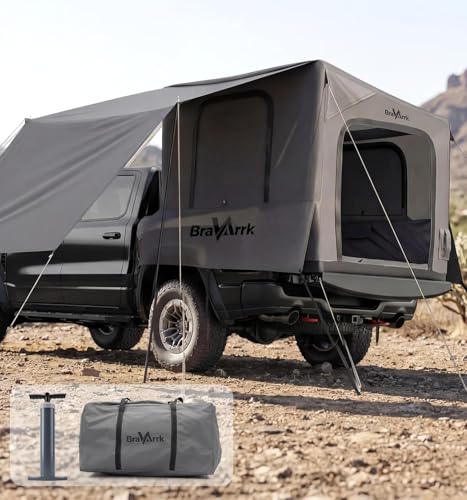
Tent That Fits in Bed of Truck: The Ultimate Guide for Truck Camping
Transform your pickup truck into a comfortable, weather-ready campsite. Compare truck bed tents, rooftop tents, and camper shell options to find the perfect fit for your adventures.
EXPLORE YOUR OPTIONSTruck Camping Advantage: A tent that fits in the bed of your truck gives you the freedom to camp almost anywhere — from remote trailheads to designated campgrounds. You get the comfort of a raised, level sleeping platform with the convenience of vehicle-based storage, all without the expense of a full RV. This guide covers everything you need to know about choosing, installing, and using a truck bed tent or alternative shelter system.
Why Choose a Tent That Fits in Your Truck Bed?
Truck bed camping has exploded in popularity because it solves several problems at once. Unlike ground tents, a tent that fits in bed of truck keeps you elevated off uneven, rocky, or wet ground. Setup is often faster because the truck bed provides a structured base. And because your vehicle carries the load, you can bring heavier, more comfortable gear — including a full-size air mattress, a portable camp kitchen, and a camping cooler — without worrying about backpack weight.
Modern truck bed tents are engineered to attach securely to the sides of your pickup's bed, creating a weatherproof sleeping space that can be set up in minutes. They typically feature durable fabrics, taped seams, and integrated rain flies. For many campers, this is the ideal middle ground between a traditional tent and a hard-sided camper. If you're still deciding on your overall camping style, our camping vs glamping guide can help clarify the trade-offs.
Types of Tents That Fit in a Truck Bed
There are several distinct categories of shelter that work with a pickup truck. Each has different installation requirements, advantages, and ideal use cases. Understanding these categories is the first step toward choosing the right system for your truck and your camping style.
1. Truck Bed Tents (In-Bed Campers)
These are the classic tents that go in the back of a pickup. They sit inside the truck bed, with poles that rest on the bed rails or floor, and a floor that covers the bed itself. They're available for most truck sizes, including compact, full-size, and heavy-duty models. Look for models with a full rainfly and good ventilation. These are often the most affordable way to sleep in your truck bed.
Pros
- Lower entry-level and mid-range options
- Quick setup (often 5–10 minutes)
- Keeps you off the ground
- Works with most pickup beds
Cons
- Must empty truck bed of cargo
- Not compatible with some tonneau covers
- Limited headroom in some models
2. Rooftop Tents (RTTs)
Rooftop tents mount on a roof rack above the cab or over the truck bed using a bed rack. They're a premium option popular with overlanders. Hard-shell RTTs open in seconds and offer excellent weather protection. Soft-shell models are more affordable but take longer to deploy. A hard shell rooftop tent for truck is a serious investment, but it delivers unmatched convenience and durability for frequent travelers.
Pros
- Very fast setup (hard-shell)
- Excellent views and ventilation
- Leaves truck bed free for gear
- Great for overlanding
Cons
- Premium and luxury tier pricing
- Requires roof rack or bed rack
- Heavier and harder to remove
- May affect vehicle height clearance
3. Camper Shell Tents & Bed Extenders
If you already have a camper shell (canopy) on your truck, you can add a tent that attaches to the back, creating a vestibule or extended sleeping area. Some campers use a tent for back of truck with camper shell to add standing room and bug-free outdoor space. Bed extenders are another option — they extend the sleeping platform beyond the tailgate for taller campers.
Pros
- Adds living space to existing shell
- Good weather protection
- Can be more spacious
Cons
- Requires a camper shell
- Setup can be more complex
- Not a standalone solution
4. SUV & Minivan Tents (Cross-Over Options)
While not strictly for pickup trucks, some campers with SUVs or minivans use a tent for the back of a SUV that attaches to the vehicle's rear hatch. These are worth mentioning because they share the same "sleep in your vehicle" philosophy and can be a stepping stone to truck bed camping.
Pros
- Works with vehicles you may already own
- Easy access to vehicle interior
- Good for road trips
Cons
- Smaller sleeping area than truck beds
- Not as robust as dedicated truck tents
Truck Bed Tent Comparison: Which Type Is Right for You?
Use this table to quickly compare the main options. Remember that your choice depends on your truck model, your budget tier, and how often you plan to camp.
| Feature | In-Bed Truck Tent | Rooftop Tent (Soft Shell) | Rooftop Tent (Hard Shell) | Camper Shell Tent |
|---|---|---|---|---|
| Setup Time | 5–15 minutes | 10–20 minutes | 2–5 minutes | 10–20 minutes |
| Price Tier | Entry-level to mid-range | Mid-range to premium | Premium to luxury | Mid-range |
| Weather Protection | Good | Very Good | Excellent | Very Good |
| Truck Bed Access | Uses entire bed | Keeps bed free | Keeps bed free | Extends from shell |
| Best For | Budget campers, occasional trips | Weekend warriors, overlanders | Frequent travelers, luxury seekers | Existing shell owners |
| Compatibility | Most pickup beds | Requires bed rack or roof rack | Requires bed rack or roof rack | Requires camper shell |
Key Features to Look for in a Truck Bed Tent
Not all truck bed tents are created equal. When comparing models, pay attention to these critical features. They determine comfort, durability, and how well the tent performs in bad weather.
Fabric & Weatherproofing
Look for tents made from durable polyester or nylon with a high denier rating. A waterproof coating (often measured in millimeters) and taped seams are essential. A full-coverage rainfly is a must for rainy climates. If you camp in cold weather, consider a canvas hot tent or a model with a stove jack. For general three-season use, a well-ventilated dome-style truck tent is ideal.
Size & Headroom
Truck bed tents are sized to fit specific bed lengths (e.g., 5.5 ft, 6.5 ft, 8 ft). Make sure you choose the right size for your truck. Headroom varies — some models offer near-vertical walls and over 6 feet of interior height, while others are lower. If standing up is important to you, look for a model with a tall center height or consider a pop-up tent you can stand up in that's designed for truck beds.
Ventilation & Condensation
Proper airflow prevents condensation buildup, which can make your sleeping bag damp and cold. Look for tents with multiple mesh windows, roof vents, and a design that allows cross-ventilation. Some premium models include an anti-condensation mat for roof top tent to further reduce moisture issues.
Ease of Setup
Some truck bed tents use color-coded poles and clip-on attachments for fast setup. Others require threading poles through sleeves. If you prioritize convenience, look for an easiest tent to set up and take down or a model with an instant setup mechanism. Rooftop hard-shell tents are the fastest of all but come at a higher price tier.
Compatibility with Your Truck
Check that the tent is compatible with your truck's bed dimensions and rail type. Some tents require a specific bed rail profile or work best with a bed rack. If you have a tonneau cover, you may need a tent that works around it or a tent designed for your specific truck model. Always verify fitment before purchasing.
Durability & Warranty
Pay attention to pole material (aluminum vs fiberglass), zipper quality, and seam construction. A good warranty is a sign of a manufacturer's confidence. Premium and luxury tier tents often use heavier-duty materials and offer longer warranties. If you're handy, you might even consider a cargo trailer camper conversion kit as a DIY alternative for a more permanent setup.
Sleeping Comfort in Your Truck Bed Tent
One of the biggest advantages of truck bed camping is the ability to use comfortable sleeping surfaces that would be impractical for backpacking. You can bring a full-size air mattress, a memory foam topper, or a folding cot. Here are some popular options:
- Air Mattresses: A full size air mattress with built-in pump is a great choice for truck beds. For extra height and comfort, consider a double high airbed with built-in pump. If you have a queen-sized bed area, a queen size air mattress with built-in pump offers plenty of room for two.
- Camping Cots: A folding bed cot keeps you off the tent floor and provides firm support. They're excellent for side sleepers and anyone who finds air mattresses too soft.
- Mattress Toppers: If you already have an air mattress or cot, a memory foam mattress topper with cooling gel can dramatically improve comfort. For side sleepers with hip pain, a mattress topper for side sleepers with hip pain is a game-changer.
- Sleeping Bags: Choose a sleeping bag rated for the temperatures you'll encounter. A compact sleeping bag for cold weather is a good all-around choice. For couples, single sleeping bags that zip together let you share warmth.
Don't forget a comfortable pillow — a camping pillow makes a big difference. And if you're camping in hot weather, a cooling mattress topper for night sweats can help you sleep comfortably.
How to Set Up a Tent in Your Truck Bed: Step-by-Step Tips
Setting up a truck bed tent is usually straightforward, but a few best practices make the process smoother and safer. Before you leave home, practice a dry run in your driveway. Here's a general sequence that works for most in-bed truck tents:
Pre-Setup Checklist
- Park on level ground and engage the parking brake
- Empty the truck bed of all cargo
- Lay down a protective mat or tarp if desired
- Unpack the tent and check for all poles and stakes
- Identify the front and back of the tent
- Attach the tent to the bed rails or floor per instructions
- Insert and secure poles, then attach the rainfly
- Stake out any guy lines for stability
If you're camping in rain, a guide to setting up a tent in the rain offers valuable tips to keep your gear dry. For winter camping, see our setting up a tent in the snow tutorial. And if you're camping on a platform or hard surface, learn about setting up a tent on a platform.
Alternatives to a Dedicated Truck Bed Tent
If a full truck bed tent isn't right for you, there are several other ways to camp with your pickup. These alternatives might suit your needs better depending on your budget, truck configuration, and camping style.
- Pop-Up Tent for Truck Bed: A pop-up tent for back of pickup truck offers instant setup and is a great choice for quick trips. These are often lighter and more affordable than full truck bed tents.
- Roof Top Tent on Truck Bed: A roof top tent mounted on truck bed rack keeps your bed free for gear and gives you a great view. This is a premium option but very popular among overlanders.
- Slide-In Truck Camper: For a more permanent solution, a slide-in truck camper for sale used offers hard-sided protection and amenities. These are heavier and require a larger truck, but they're the ultimate in truck camping comfort.
- Camper Trailer: If you want to tow your camping setup, a camper trailer rental or a mini RV camper might be a better fit. You can also explore pop-up campers for sale in my area if you're ready to buy.
- Canvas Tent or Bell Tent: For a more traditional feel, a canvas hot tent or a 4m fire retardant bell tent with stove hole can be used as a basecamp shelter alongside your truck.
Frequently Asked Questions About Truck Bed Tents
Ready to Turn Your Truck into a Campsite?
Browse our recommended truck bed tents and camping gear below. Whether you're a weekend warrior or a full-time overlander, we've curated options for every tier and truck size.
SHOP TRUCK BED TENTSBefore you head out, make sure you have the essential things to pack for camping. If you're new to truck camping, our first time camping tips will help you avoid common mistakes. And for those camping with pets, learn about camping with a dog in a tent.
For more inspiration, explore our guides to camping destinations, including Yosemite camping, Joshua Tree camping, and Colorado camping. And if you're considering a more permanent setup, read about setting up a camper for the first time.