Rechargeable Battery Powered Lanterns: The Ultimate Camping Lighting Guide
Say goodbye to disposable batteries and unreliable light. Discover how modern rechargeable lanterns deliver dependable, eco-friendly illumination for every campsite, emergency, and off-grid adventure.
Explore Top PicksCampLifeEssentials Expert Insight: A rechargeable battery powered lantern is one of the most versatile pieces of camping gear you can own. Unlike traditional lanterns that require constant battery swaps, modern USB-rechargeable models offer consistent brightness, lower long-term operating costs, and the convenience of charging from a power bank, solar panel, or car outlet. This guide breaks down everything you need to know before choosing your next camping light.
Why Rechargeable Battery Powered Lanterns Are a Camping Essential
When you're miles from the nearest outlet, reliable lighting is non-negotiable. Rechargeable lanterns have evolved dramatically in recent years, offering features that rival—and often surpass—their disposable-battery counterparts. From advanced camping technology like USB-C fast charging to smart power management, these lights are designed for the modern outdoor enthusiast. Whether you're planning a base camp setup, a backcountry hunting trip, or simply preparing a winter emergency kit, a dependable rechargeable lantern belongs in your gear arsenal.
🔋 Key Advantages
- Eco-friendly operation — No disposable batteries ending up in landfills.
- Cost-effective long-term — One purchase, hundreds of charge cycles.
- Consistent brightness — Lithium-ion cells maintain output as they drain.
- Multi-source charging — USB, solar, car, or power bank compatibility.
- Modern features — Power bank output, SOS modes, dimming, and more.
📋 What to Look For
- Lumen output — 200–400 lm for general camping; 600+ lm for large groups.
- Runtime — Look for 8+ hours on medium, 2+ hours on high.
- Charging port — USB-C is now the standard; micro-USB is entry-level.
- Build quality — IPX4 or higher water resistance; impact-resistant housing.
- Weight & size — Collapsible designs save space in your pack.
Understanding Lantern Tiers: Entry-Level to Luxury
Rechargeable lanterns span a wide spectrum of capabilities. To help you navigate the market without fixating on price tags, we use universal quality descriptors. This classification reflects relative market position and feature set—not absolute cost. Use this table to identify which tier aligns with your camping style and lighting needs.
| Tier | Typical Features | Best For | Durability & Runtime |
|---|---|---|---|
| Entry-Level | Basic on/off, micro-USB charging, 100–200 lumens | Occasional campers, emergency kits, kids' tents | IPX4, 4–8 hours on low |
| Mid-Range | Dimmable, USB-C, power bank output, 200–400 lumens | Weekend campers, families, car camping | IPX5, 8–20 hours on medium |
| Premium | High CRI, multiple modes, 400–800 lumens, fast charge | Serious campers, van lifers, backcountry users | IPX6–IPX7, 20+ hours on low |
| Luxury | Handcrafted housing, smart features, >800 lumens, solar | Glampers, base camps, design-conscious buyers | IPX7+, 30+ hours on low, premium warranty |
Key Features That Matter in a Rechargeable Lantern
💡 Brightness & Light Quality
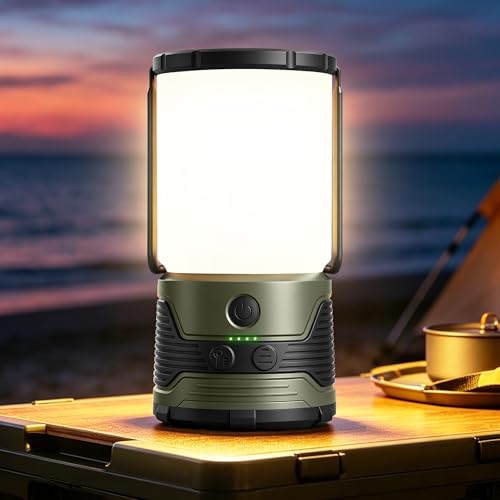
Lumens measure raw output, but beam pattern and color temperature are equally important. A warm white (2700K–3500K) lantern creates a cozy campsite ambiance, while cool white (5000K+) excels for task lighting. Look for models with adjustable brightness or multiple light modes. High-CRI (Color Rendering Index) LEDs help you see food, maps, and gear more accurately at night.
🔌 Charging & Power Bank Function
Modern rechargeable lanterns often double as power banks, letting you top off your phone or camping communication devices in a pinch. USB-C PD (Power Delivery) is the gold standard for fast charging. If you're planning extended trips, consider pairing your lantern with a portable power station or solar charger for off-grid recharging.
🛡️ Durability & Weather Resistance
Camping lights take a beating—dropped on rocks, splashed at the lake, or packed tight in a camping backpack. Look for an IP rating of IPX4 or higher for water resistance. Rubberized bumpers and metal housings add drop protection. If you camp in wet or cold conditions, a winter camping gear approach applies: choose a lantern rated for sub-freezing operation.
📐 Form Factor & Versatility
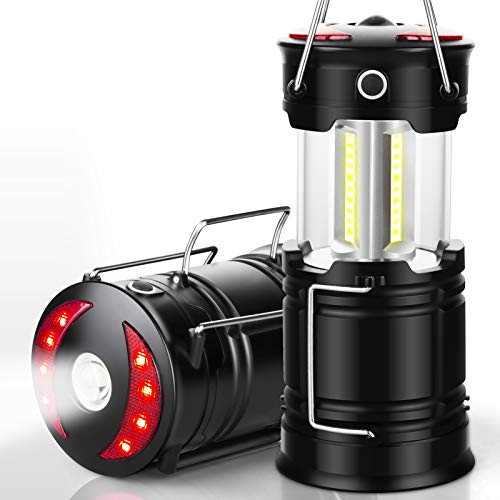
Collapsible lanterns shrink to pocket size and pop up to illuminate a whole tent. Hanging hooks or loops are essential for suspending from a tent ceiling or a tree branch. Magnetic bases let you attach the light to a vehicle or metal surface. Some models even feature a built-in red light mode for stargazing or preserving night vision.
Charging & Maintenance Tips for Longevity
- 1. Store at 50–70% charge if the lantern won't be used for months. Full discharge or full charge can degrade lithium-ion cells.
- 2. Keep charging ports dry — especially if you're camping in rain or near water. A small silicone plug or dielectric grease helps.
- 3. Recharge every 3–6 months even during off-season storage to maintain battery health.
- 4. Clean the lens with a soft, dry cloth. Avoid harsh chemicals that can cloud plastic or scratch glass.
- 5. Don't leave in extreme heat — a hot car dashboard can permanently reduce battery capacity.
- 6. Pair with a winter emergency kit — a charged lantern is a critical safety item. See our winter emergency kit guide for essentials.
Frequently Asked Questions
How long do rechargeable camping lanterns last on a single charge?
Runtime depends on brightness setting and battery capacity. Entry-level models typically deliver 4–8 hours on low, while mid-range lanterns often run 8–20 hours on medium. Premium and luxury models can exceed 30 hours on the lowest setting. High-output modes (600+ lumens) usually drain the battery in 2–4 hours. Always check the manufacturer's runtime specs for the specific brightness level you plan to use.
Can I charge a rechargeable lantern with a solar panel or power bank?
Yes—most modern rechargeable lanterns charge via USB, which means they're compatible with solar chargers, camping power banks, and portable power stations. For off-grid trips, a foldable solar panel paired with a power bank gives you a reliable, renewable charging loop. Just confirm your lantern uses USB-C or micro-USB and check the input wattage for optimal charging speed.
Are rechargeable lanterns safe to use inside a tent?
Yes—rechargeable LED lanterns produce virtually no heat and zero emissions, making them safe for enclosed spaces. However, always follow the manufacturer's instructions. Avoid using any lantern with a damaged housing or exposed wiring. For tent lighting, look for models with a hanging hook and a dimmable warm-white mode to create a comfortable, glare-free environment.
What's the difference between lumens and candela in a camping lantern?
Lumens measure total light output (how much light is produced), while candela measures beam intensity (how focused that light is). A lantern with high lumens but low candela will produce a broad, diffuse glow—ideal for area lighting. A high-candela lantern projects a more focused beam—useful for spotting objects at a distance. For campsite ambiance, prioritize lumens; for task lighting or signaling, candela matters more.
Ready to Upgrade Your Camp Lighting?
Browse our curated selection of rechargeable battery powered lanterns below. Each product is chosen for its balance of brightness, durability, and value—so you can camp with confidence, no matter where the trail takes you.
See Recommended Lanterns