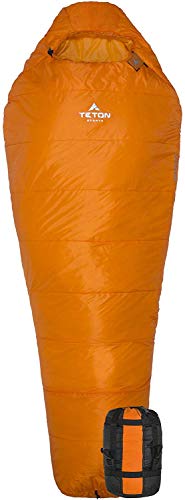
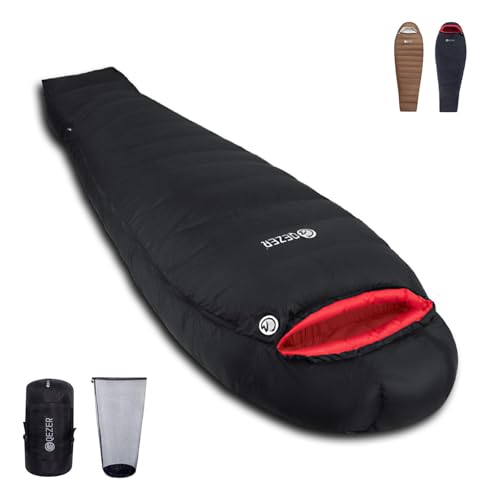
Ultralight Down Sleeping Bag 0 Degree: The Complete Guide
Everything you need to know before choosing a 0 degree down bag: fill power, weight, loft, temperature ratings, and how to stay warm on cold adventures.
START THE GUIDEAn ultralight down sleeping bag 0 degree sits at the heart of cold-weather backpacking. It is the piece of gear that decides whether you sleep warm and rested or spend the night shivering, and it is also one of the heaviest and most expensive items in your pack. Choosing well matters, and choosing blindly often means carrying too much weight or freezing at 3 a.m.
This guide is written for campers who already know they want a 0 degree down bag but are unsure how to compare models. We will break down what the 0 degree rating really means, why fill power and loft matter more than marketing claims, how to match a bag to your body and sleeping style, and which trade-offs separate entry-level, mid-range, and premium options. By the end, you should be able to read a spec sheet and know exactly what you are getting.
If you are still comparing different bag types, it helps to first understand the broader sleeping bag temperature guide and how ratings are tested. For campers who already own a winter bag but want to push into colder conditions, our winter sleeping bags overview explains how a 0 degree bag fits into a layered sleep system.
What This Guide Covers
What Does a 0 Degree Rating Really Mean?
A 0 degree rating is a temperature guideline, not a promise. Most manufacturers test sleeping bags using standardized methods that produce three numbers: a comfort rating, a lower limit, and an extreme rating. The comfort rating is the temperature at which an average woman can sleep comfortably. The lower limit is the temperature at which an average man can sleep without waking from cold. The extreme rating is a survival figure and should never be used for planning.
When a bag is marketed as a 0 degree bag, it usually refers to the lower limit. That means an average sleeper wearing a base layer and using a properly insulated sleeping pad can expect to stay comfortable around that temperature. It does not mean you will be warm in shorts and a t-shirt, and it does not account for wind, dampness, or how exhausted you are.
The Rating Is Only Half the System
Your sleeping bag does not warm you. It traps the heat your body produces. The insulation underneath you matters just as much as the insulation around you, because the ground pulls heat away far faster than air does. A 0 degree bag paired with a thin foam pad will feel much colder than the same bag on a high R-value pad. If you sleep cold or camp on snow, consider pairing your bag with a pad rated for winter use. Our guide to the lightest sleeping pad for backpacking explains how R-value and weight trade off against each other.
Temperature Ratings Are Personal
Two people in the same bag at the same temperature can have very different nights. Factors that shift your effective rating include:
- Metabolism: People who run warm can often push a bag several degrees below its lower limit.
- Body composition: More muscle and body mass generally means more retained heat.
- Clothing: A dry base layer, warm socks, and a hat can add meaningful warmth.
- Hydration and food: Dehydrated or underfed campers sleep colder.
- Wind and moisture: A damp bag loses loft, and loft is what traps heat.
Treat the 0 degree figure as a starting point. If you sleep cold, look for a bag with a comfort rating closer to 0 rather than a lower limit of 0. If you sleep warm, a bag with a lower limit of 0 may be more than enough for three-season use in cold climates.
Why Down Is the Backbone of Ultralight Cold-Weather Bags
Down insulation is the feather-and-plumage underlayer of ducks and geese. It has no quill, and its structure traps air in tiny clusters, which is exactly what insulation needs to do. Gram for gram, high-quality down traps more air and therefore more warmth than nearly any synthetic fill. That is why almost every ultralight 0 degree bag on the market uses down rather than synthetic insulation.
Fill Power Explained
Fill power measures how much volume one ounce of down occupies. A higher number means the down is loftier, lighter for the same warmth, and more compressible. Common ratings range from around 550 to 900 and above. A 650 fill bag is usually more affordable and slightly heavier. An 800 fill bag is the sweet spot for most backpackers. A 900 fill bag is the premium choice for people counting every gram.
Higher fill power is not automatically better for everyone. It costs more, and it can be less durable over decades of use because the down clusters are more delicate. For most campers, 800 fill offers the best balance of warmth, weight, and longevity.
Down vs Synthetic for a 0 Degree Bag
Synthetic insulation keeps you warmer when wet, dries faster in damp conditions, and costs less. Down is lighter, packs smaller, and lasts far longer if cared for properly. For a 0 degree bag specifically, weight and packed size become critical, because cold-weather trips already require more gear. That is why down dominates this category.
If you often camp in sustained wet conditions and cannot guarantee a dry bag, a synthetic bag may still be the safer choice. But for most three-season and cold-weather backpacking, down is the better investment. Our camping FAQ covers more on the down versus synthetic debate.
Key Specs to Compare Before You Buy
Spec sheets can be confusing because manufacturers use different conventions. Here are the numbers that actually matter when comparing ultralight 0 degree down bags.
| Spec | What It Tells You | What to Look For |
|---|---|---|
| Fill Power | Loft per ounce of down | 650–800 for value, 850–900+ for ultralight |
| Fill Weight | How much down is inside | More fill means warmer but heavier; compare within the same fill power |
| Total Weight | What the bag adds to your pack | Ultralight 0 degree bags commonly fall in a narrow range; weigh the trade-offs |
| Packed Size | How much room it takes in your pack | Higher fill power compresses smaller |
| Temperature Rating | Comfort and lower limit guidelines | Look for both comfort and lower limit, not just one number |
| Shell Fabric | Durability, breathability, water resistance | 10D–20D nylon or polyester is typical; lower denier is lighter but more delicate |
| Baffle Construction | How down is held in place | Box baffles prevent cold spots; sewn-through baffles are lighter but colder |
| Zipper and Draft Tube | Heat loss at the opening | A full-length draft tube and snag-free zipper matter in cold weather |
| Hood and Collar | Heat retention around the head and neck | A fitted hood and draft collar make a real difference near 0 degrees |
| Responsible Down Standard | Ethical sourcing | Look for RDS or similar certification if this matters to you |
Baffles: The Hidden Difference Between Warm and Cold Bags
Baffles are the internal walls that keep down from shifting. Sewn-through baffles stitch the inner and outer shell directly together. They are lighter and simpler, but the stitches create cold spots because there is no insulation at the seam. Box baffles create a three-dimensional pocket of down with no direct stitch between layers, which is warmer but slightly heavier and more complex to build.
For a 0 degree bag, box baffles are generally worth the small weight penalty. If you sleep cold or plan to push the bag toward its limit, prioritize baffle construction over a few grams of savings.
How to Choose the Right Ultralight 0 Degree Down Bag
Once you understand the specs, the decision comes down to matching the bag to your body, your sleep style, and the conditions you actually camp in.
1. Match the Bag to Your Sleep Style
- Back sleepers: Standard mummy bags work well. Look for a roomy shoulder girth and a hood that cinches snugly.
- Side sleepers: A wider cut or a bag with a more generous shoulder and hip width prevents the bag from twisting and creating cold spots. A quilt may also be a good option.
- Stomach sleepers: A wider, more rectangular cut is often more comfortable, but it adds weight.
- Toss-and-turn sleepers: Consider a bag with a full-length zipper that lets you vent, or a quilt that moves with you.
If you are unsure how your sleep position affects your gear choices, our backpacking sleeping pads for side sleepers guide covers the pad side of the equation.
2. Size the Bag to Your Body
A bag that is too long wastes weight and has more dead air space to warm up. A bag that is too short compresses the down at your feet and creates cold spots. Measure your height and choose a bag that fits within the manufacturer's recommended range. If you are between sizes, size up slightly rather than down, especially if you sleep cold.
3. Decide How You Will Use It
- Three-season backpacking in cold climates: A 0 degree bag is a solid choice if you camp in shoulder seasons or at altitude.
- Winter backpacking: A 0 degree bag may be enough for mild winter nights, but many winter campers prefer a bag rated colder or a layered quilt system. See our winter camping gear guide for the full picture.
- Car camping and basecamp: Weight matters less, so you can prioritize comfort and durability over ultralight construction.
- Emergency preparedness: A 0 degree bag is a common choice for a vehicle or home emergency kit. Our emergency preparedness guide covers how to build a kit around one.
4. Check the Temperature Rating Against Your Conditions
If you routinely camp near freezing, a 0 degree lower limit bag is a reasonable target. If you sleep cold, look for a bag with a comfort rating closer to 0. If you only occasionally camp in cold weather, you may be better served by a lighter three-season bag plus a liner than by a dedicated 0 degree bag.
5. Consider the Rest of Your Sleep System
Your bag is one part of a system. A warm hat, dry base layer, insulated pad, and a liner can all extend the range of a bag. A sleeping bag liner is a lightweight way to add warmth and keep your bag clean. For campers who want an all-in-one solution, an all-in-one sleeping bag and mattress can simplify packing, though it usually trades some ultralight performance for convenience.
Entry-Level vs Mid-Range vs Premium: What You Get at Each Tier
We use quality tiers rather than prices because prices change and tiers do not. The descriptors below reflect the relative position of a bag in the market, not a specific currency figure.
Entry-Level / Budget-Friendly
These bags typically use 550–650 fill down, slightly heavier shell fabrics, and simpler sewn-through or partial box baffle construction. They are a good starting point for occasional campers or people who prioritize lower upfront cost. Expect a heavier packed weight and a larger packed size, and be prepared to layer more clothing near the rating limit.
Mid-Range / Mid-Tier
The sweet spot for most backpackers. These bags usually use 700–800 fill down, 15D–20D shell fabrics, box baffles in critical areas, and a well-designed hood and draft collar. They offer a meaningful weight savings over entry-level bags without the premium price of the top tier. For most three-season and cold-weather backpackers, this is where the best value lives.
Premium / Top-Tier
These bags use 850–900+ fill down, ultra-light 7D–10D shell fabrics, full box baffle construction, and carefully engineered hoods and collars. They are the lightest and most compressible options available, and they are built for people who count every gram. They require more careful handling because the fabrics are thinner, and they are usually the most expensive option.
How to Decide Between Tiers
- Choose entry-level if you camp a few times a year, prioritize upfront cost, or are buying for a growing child.
- Choose mid-range if you backpack regularly and want the best balance of weight, warmth, durability, and cost.
- Choose premium if you are an ultralight backpacker, a thru-hiker, or someone who spends many nights outdoors each year and wants the lightest possible setup.
There is no single correct answer. The best bag is the one that matches your actual trips, not the one with the most impressive spec sheet.
How to Care for a Down Sleeping Bag So It Lasts
A down bag is an investment. With proper care, it can last for decades. With neglect, it can lose loft in a single season.
Washing
- Use a front-loading washing machine and a down-specific detergent. Never use fabric softener or bleach.
- Wash on a gentle cycle with cold water. Avoid top-loading machines with an agitator, which can tear baffles.
- Rinse thoroughly. Residual detergent attracts moisture and reduces loft.
- Dry on low heat with clean tennis balls or dryer balls to break up clumps. This can take several hours.
- Do not line-dry a down bag unless you have days of warm, dry weather and can fluff it regularly.
Storage
- Never store a down bag compressed. Compression damages the down clusters over time.
- Store it loose in a large cotton or mesh storage sack in a cool, dry place.
- Hang it if you have the space, but avoid direct sunlight, which degrades shell fabrics.
On the Trail
- Use a waterproof stuff sack or pack liner to keep the bag dry.
- Avoid dragging the bag over rough ground; the shell fabric is thin by design.
- Air the bag out each morning before packing to release trapped moisture.
- If the bag gets wet, dry it as soon as possible. Do not sleep in a wet down bag if you can avoid it.
Common Mistakes When Buying a 0 Degree Down Bag
- Trusting a single temperature number. Look for both comfort and lower limit ratings, and understand which one the manufacturer is quoting.
- Ignoring the sleeping pad. A great bag on a poor pad will still leave you cold. R-value matters as much as fill power.
- Buying a bag that is too big. Extra space means extra air to warm, and extra weight to carry.
- Overlooking the hood and collar. These are not accessories. They are critical to heat retention near the rating limit.
- Storing the bag compressed. This is the fastest way to destroy loft and shorten the bag's life.
- Assuming higher fill power is always better. It is lighter and more compressible, but it is also more expensive and can be less durable. Match fill power to your needs.
- Ignoring ethical sourcing. Responsible Down Standard certification is worth checking if animal welfare matters to you.
Ready to Choose Your Ultralight 0 Degree Down Bag?
Use the guide above to compare fill power, baffle construction, temperature ratings, and tier positioning. Then check the recommended models below, which are selected to cover entry-level, mid-range, and premium options.
VIEW RECOMMENDED BAGSFrequently Asked Questions
What does a 0 degree rating mean on a sleeping bag?
A 0 degree rating typically refers to the lower limit temperature at which an average sleeper can stay comfortable, usually measured in Fahrenheit under standardized testing. It is a guideline rather than a guarantee, because warmth depends on your metabolism, clothing, sleeping pad insulation, and how tired or hydrated you are.
Is an ultralight down sleeping bag 0 degree worth it?
If you backpack in cold conditions and care about pack weight and packed volume, a high fill power down bag is often worth it. It delivers more warmth per ounce than most synthetic alternatives and compresses smaller, which matters on multi-day trips where every liter and gram counts.
Can I use a 0 degree down bag in summer?
You can, but it is usually overkill. A 0 degree bag traps a lot of heat, so in mild weather you may overheat and end up sleeping on top of it. Many campers use a lighter quilt or a higher-rated bag for summer and reserve the 0 degree bag for cold seasons and high altitude.
How do I keep a down sleeping bag dry?
Use a waterproof stuff sack or a pack liner, keep the bag inside your backpack rather than strapped outside, and avoid leaving it exposed to rain or dew. If it gets damp, air it out in shade and dry it thoroughly before storing it loose in a cotton or mesh storage sack.
What fill power should I look for in a 0 degree bag?
For most backpackers, 700–800 fill power is the sweet spot. It offers a meaningful weight savings over 550–650 fill without the premium cost of 850–900+ fill. If you are an ultralight backpacker or thru-hiker, higher fill power is worth considering.
Do I need a sleeping bag liner with a 0 degree bag?
A liner is optional but useful. It adds a small amount of warmth, keeps the bag clean, and can be washed more easily than the bag itself. If you sleep cold or want to extend the bag's range, a silk or fleece liner is a lightweight addition.
Is a mummy bag better than a rectangular bag for cold weather?
Mummy bags are generally warmer for their weight because they have less dead air space. Rectangular bags are more comfortable for some sleepers but require more insulation to achieve the same warmth, which makes them heavier and bulkier. For a 0 degree bag, a mummy or semi-rectangular cut is usually the better choice.
Keep exploring: If you are building a full cold-weather sleep system, pair your bag with the right pad, consider a compact sleeping bag for cold weather as a backup or loaner, and review how to stay warm in winter for clothing and camp setup tips. For campers who prefer a tent-based setup, our 1 person tent and lightweight 1 person tent for backpacking guides cover shelter choices that pair well with a 0 degree bag.