Back Country Camping Gear: Your Essential Guide to Remote Adventures
Master the art of wilderness camping with the right equipment. Learn how to select lightweight, durable, and reliable gear for your next backcountry expedition.
Why Back Country Gear Matters: Venturing into the backcountry means leaving the comforts of car camping behind. Every item you pack must serve a purpose. The right gear can mean the difference between a memorable adventure and a miserable experience. This guide will help you understand the essential equipment needed for remote camping, from lightweight shelters to efficient cooking systems.
What Makes Back Country Camping Different?
Back country camping, also known as wilderness or dispersed camping, involves setting up camp in remote areas far from established campgrounds. Unlike traditional camping, you won't have access to amenities like picnic tables, fire rings, or restrooms. This means your gear must be completely self-sufficient.
The key difference lies in weight and packability. Since you'll likely be carrying everything on your back, every ounce counts. This is where the philosophy of high-end camping gear comes into play—investing in quality equipment that is both lightweight and durable.
Before you embark on your first backcountry trip, it's wise to understand the basics of first time camping tips and ensure you're properly prepared for the challenges ahead.
Essential Shelter: Tents and Hammocks
Your shelter is your primary protection against the elements. For backcountry camping, you'll need a tent that is lightweight, weather-resistant, and easy to pitch. Consider the following options:
Ultralight Tents
When selecting a tent, prioritize models designed for backpacking. A two person backpacking tent offers a good balance of space and weight for couples or solo campers who want extra room. For solo adventurers, a one person backpacking tent is an excellent choice, providing just enough space while keeping your pack light.
If you're looking for tents specifically designed for trekking, explore options for good tents for backpacking that have been tested in rugged conditions. A 3 season sleeping bag paired with a quality tent will handle most conditions you'll encounter.
Hammock Camping
For those who prefer an alternative to ground sleeping, a hammock can be an excellent choice. A hammock that can be used as a tent offers versatility and comfort, especially in areas with uneven terrain. However, hammocks require trees, so they're not suitable for all environments.
Sleeping Systems: Pads, Bags, and Mats
A good night's sleep is crucial for energy and morale in the backcountry. Your sleeping system should provide insulation from the cold ground and keep you warm throughout the night.
Sleeping Pads and Mats
Insulation from the ground is often overlooked. A self inflating sleeping pad offers a good balance of comfort and packability. For those counting every ounce, an ultralight camping sleeping pad is the way to go. If you prefer inflatable options, an inflatable camping sleeping mat can provide excellent comfort.
For colder conditions, a lightweight sleeping mat camping model with a higher R-value will provide better insulation. Some campers prefer the simplicity of a self inflating camping mattress, which requires minimal effort to set up.
Sleeping Bags
Your sleeping bag should be rated for the lowest temperatures you expect to encounter. A 3 season sleeping bag is versatile enough for spring, summer, and fall adventures. For specific temperature guidance, refer to our sleeping bag temperature guide.
If you're camping in colder conditions, consider a sleeping bag for hiking that offers warmth without excessive weight. For more options, browse our selection of sleeping bags for adults.
Cooking and Nutrition in the Backcountry
Backcountry cooking requires a different approach than car camping. You'll need lightweight, efficient cooking equipment that can operate reliably in various conditions.
Stoves and Fuel
A reliable stove is essential. A single burner propane stove is a popular choice for its simplicity and efficiency. For larger groups, a 2 burner stove camping model can handle more complex meals. If you're looking for a complete solution, consider a camping and cooking gear set that includes everything you need.
For those who prefer natural fuel, a portable camping hiking hunting wood stove tent heater can serve double duty for cooking and warmth. Always check local regulations regarding open fires and campfire regulations before your trip.
Cookware and Utensils
A compact camping cooking pot set is essential for boiling water and preparing meals. Look for nesting designs that save space. Don't forget to pack a reliable fire starters for camping as a backup cooking method.
Clothing and Personal Gear for Remote Camping
What you wear in the backcountry is as important as what you carry. Layering is key to managing body temperature throughout the day.
For cold weather adventures, refer to our guide on layering clothing winter systems. Proper winter boots camping are essential for cold, wet conditions. If you're camping in snow, learn how to stay warm winter camping techniques.
For navigation and safety, consider a light weight hiking poles to reduce strain on your knees and improve stability on uneven terrain. Some tents even support tent with trekking pole setups, allowing you to use your poles as structural supports.
Safety and Navigation Essentials
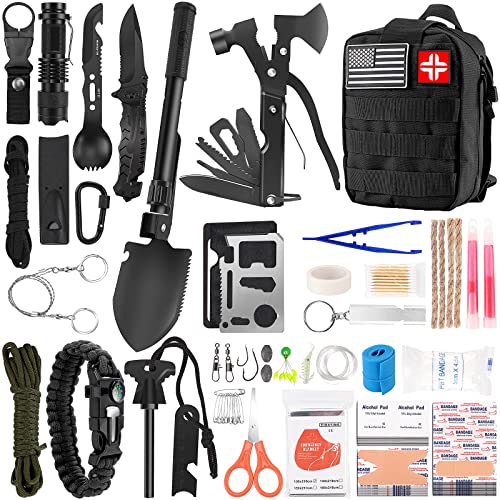
Safety should always be your top priority in the backcountry. Carry a comprehensive first aid kit that includes supplies for common camping injuries. Knowledge of wilderness first aid is invaluable.
Communication is critical. A camping communication devices such as a satellite communicator or PLB can be a lifesaver in emergencies. Learn about emergency SOS signals before you go.
Always check camping weather alerts before and during your trip. If you're camping in bear country, follow food storage rules and carry bear spray. Understand the differences in our bear spray vs gun comparison.
Know what to do if you get lost by reading our guide on what to do if lost. For remote areas, a satellite communicators device provides peace of mind.
How to Choose the Right Back Country Gear
Selecting gear is a balance between weight, durability, and functionality. Here are some principles to follow:
- Prioritize Weight: Every ounce counts. Look for gear specifically labeled as ultralight or lightweight.
- Consider Versatility: Multi-use items save weight. For example, a hammock that can be used as a tent serves two purposes.
- Invest in Quality: Cheap gear often fails when you need it most. Browse our selection of top rated camping gear for reliable options.
- Test Before You Go: Always test new gear on shorter trips before relying on it for a major expedition.
For a complete overview of what to bring, review our camping trip equipment list and camping trip supply list. These resources will help you ensure you haven't forgotten anything essential.
If you're looking for a curated selection of premium equipment, explore our high-end camping gear recommendations. For a broader view of essential items, our essential items for camping guide is a great starting point.
Where to Go Back Country Camping
The United States offers countless opportunities for backcountry adventures. Some of the best destinations include:
- Montana Wilderness – Vast, untouched landscapes perfect for true solitude.
- Wyoming Grand Tetons – Stunning mountain scenery and challenging terrain.
- Utah Mighty 5 Camping – Unique desert landscapes and slot canyons.
- Adirondacks Camping – Eastern wilderness with diverse terrain.
- BLM Camping Guide – Dispersed camping on public lands.
Before heading out, familiarize yourself with BLM camping rules and Leave No Trace principles to minimize your impact on the environment.
Final Thoughts on Back Country Camping Gear
Back country camping is a rewarding experience that connects you with nature in a profound way. With the right gear and preparation, you can venture confidently into remote areas and create memories that last a lifetime.
Remember that gear selection is personal—what works for one camper may not work for another. Start with the essentials, test your equipment, and gradually refine your kit based on your experiences. For more guidance, explore our camping FAQ section or check out our camping vs glamping comparison to understand different camping styles.
Whether you're a beginner or an experienced adventurer, our camping checklists can help you stay organized and prepared. And if you're considering different types of camping, our guide on campground vs wild camping explains the key differences.