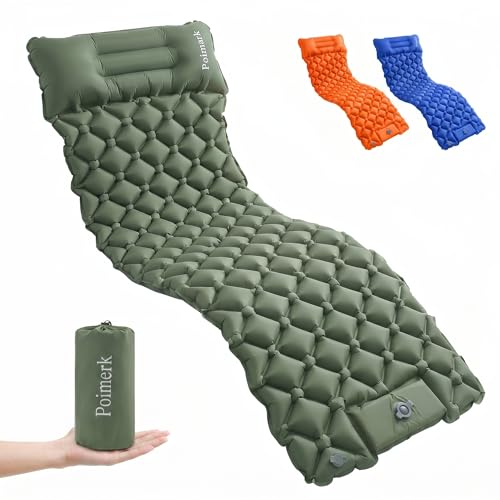
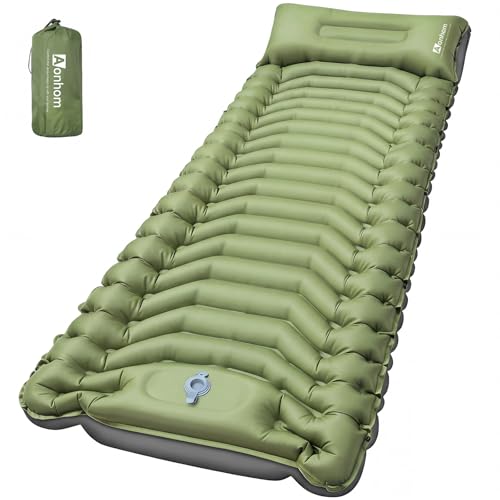
Ultralight Camping Sleeping Pad: Lightweight Comfort for Every Adventure
Discover how the right ultralight sleeping pad can transform your backpacking experience — less weight, more comfort, and better sleep under the stars.
START EXPLORINGWhy ultralight sleeping pads matter: When you're miles from the trailhead, every ounce counts. An ultralight sleeping pad protects you from cold ground, uneven terrain, and restless nights — without weighing down your pack. This guide breaks down everything you need to know about choosing the right pad for your adventures.
What Makes a Sleeping Pad "Ultralight"?
Ultralight camping sleeping pads are engineered to deliver essential insulation and comfort at the lowest possible weight. Typically, these pads weigh under 1.5 pounds (and often much less), making them ideal for backpacking, bikepacking, and thru-hiking. They achieve this through advanced materials, minimalistic designs, and clever inflation systems.
But lighter doesn't always mean better. The best ultralight pad balances weight, durability, warmth (measured by R-value), and packed size. If you're new to backpacking, our sleeping pads for backpacking guide offers a broader overview. For those who prefer the simplicity of closed-cell foam, closed-cell foam pads remain a virtually indestructible option — though they're bulkier than inflatable models.
Key Factors When Choosing an Ultralight Pad
Before you buy, consider these critical factors:
1. R-Value (Insulation)
R-value measures a pad's resistance to heat loss. For three-season backpacking, an R-value of 2.0–3.5 is usually sufficient. For winter camping, look for R-values of 5.0 or higher. If you're planning cold-weather trips, our winter camping gear guide and winter sleeping bags articles will help you build a complete cold-weather sleep system.
2. Weight & Packed Size
Ultralight pads range from featherweight models (under 12 oz) to more substantial pads that prioritize comfort. Consider how much space you can spare in your pack — a lightweight backpack for hiking pairs perfectly with a compact pad.
3. Thickness & Comfort
Thicker pads (2.5–4 inches) offer better side-sleeping support and cushioning. If you're a side sleeper, look for pads at least 2.5 inches thick. Our guide to the most comfortable way to sleep in a tent has additional tips for restless sleepers.
4. Type: Inflatable vs. Self-Inflating vs. Closed-Cell
Each type has trade-offs. Inflatable pads are the lightest and most packable. Self-inflating pads offer a balance of convenience and comfort. Closed-cell foam pads are bombproof but bulkier. For a hybrid approach, consider a self-inflating camping mattress or an inflatable camping sleeping mat.
Ultralight Sleeping Pad Types Compared
| Type | Weight | R-Value Range | Packed Size | Best For |
|---|---|---|---|---|
| Inflatable | Ultralight (10–20 oz) | 1.0 – 7.0+ | Very small | Backpacking, thru-hiking, gram counters |
| Self-Inflating | Moderate (1–2 lbs) | 2.0 – 5.0 | Medium | Campers who want convenience and comfort |
| Closed-Cell Foam | Light (10–16 oz) | 1.5 – 2.5 | Bulky | Ultimate durability, emergency backup |
Pros and Cons of Ultralight Sleeping Pads
✅ Advantages
- Dramatically reduces pack weight
- Packs down to the size of a water bottle
- Adjustable firmness (inflatable models)
- Excellent warmth-to-weight ratio
- Easy to carry on long treks
❌ Disadvantages
- Can be punctured (inflatable models)
- Requires inflation time and effort
- Less durable than closed-cell foam
- Higher quality models are a larger investment
- Some users find them noisy when moving
How to Choose the Right Ultralight Pad for You
Start by defining your primary use. Are you a weekend backpacker, a thru-hiker, or a casual car camper who wants a lightweight option? Your answer will guide your choice.
Next, consider your sleep style. Side sleepers need thicker pads (2.5+ inches), while back sleepers can be comfortable on thinner models. If you camp in cold conditions, prioritize R-value. For summer trips, a lower R-value pad saves weight.
Don't forget the valve and inflation system. Some pads use a simple twist valve, while others feature pump sacks or built-in pumps. A blow-up camping mattress with a built-in pump can save your breath after a long hike.
Finally, think about durability. If you're hard on gear or camp on abrasive surfaces, a foam mattress camping pad or a pad with a higher denier fabric might be a better fit. For those who want the ultimate in lightweight luxury, an ultra-lightweight sleeping bag paired with a premium pad creates a dream sleep system.
Related Gear & Guides
Building a complete ultralight sleep system? Explore these related topics:
- Sleeping Bags for Camping — Find the perfect bag to pair with your pad.
- Sleeping Bag Liners — Add warmth and keep your bag clean.
- Sleeping Bag Temperature Guide — Understand temperature ratings.
- Ultra Lightweight Camping Chair — Comfort around camp without the weight.
- Lightweight Camp Cot — An alternative to sleeping pads for some campers.
- Camping Beds for Tents — Explore other sleep solutions.
- Mattress Pad for Camping — Add extra comfort to any sleep setup.
- Air Mattresses for Camping — Compare inflatable options.
- Blow-Up Camping Mattress — Convenient inflation options.
- Self-Inflating Camping Mattress — The best of both worlds.
- Inflatable Camping Sleeping Mat — Lightweight and packable.
- Closed-Cell Foam Pads — Simple, durable, and reliable.
- Sleeping Pads for Backpacking — A broader guide to backpacking pads.
- Foam Mattress Camping Pad — Classic foam comfort.
- Ultra-Lightweight Sleeping Bag — Complete your ultralight sleep kit.
Frequently Asked Questions
What R-value do I need for ultralight camping?
For three-season camping, an R-value of 2.0–3.5 is ideal. For winter or cold-weather trips, choose an R-value of 5.0 or higher. Pair with a winter sleeping bag for maximum warmth.
Are ultralight sleeping pads comfortable?
Yes — modern ultralight pads use advanced materials and design to provide surprising comfort. Thicker models (2.5–4 inches) are excellent for side sleepers. If you're concerned about comfort, consider a memory foam camping mattress for car camping, or add a mattress pad to your ultralight pad.
How do I prevent punctures?
Always clear your campsite of sharp objects, use a groundsheet or tent floor, and consider a puncture repair kit. For ultimate durability, a closed-cell foam pad is virtually puncture-proof.
Can I use an ultralight pad for car camping?
Absolutely — but you may prefer a thicker, more luxurious option for car camping. Check out our blow-up camping mattress or air mattresses for camping guides for heavier but more comfortable alternatives.
How do I inflate an ultralight pad efficiently?
Many pads come with a pump sack or built-in pump. If not, use a lightweight electric pump or simply blow it up — it takes about 1–2 minutes for most models. A camping power bank can power a small electric pump if you prefer.
Ready to upgrade your sleep system? Explore our recommended ultralight sleeping pads below.
VIEW RECOMMENDED PADS