Sleeping Bag for Hiking: The Complete Backpacker's Guide
Choosing the right sleeping bag for hiking can make or break your trip. This guide breaks down temperature ratings, insulation types, shapes, and weight so you can pick the ideal bag for your next trail adventure.
SEE TOP PICKSWhy this guide matters: A hiking sleeping bag is not the same as a car camping bag. Backpackers must balance warmth, weight, packed size, and durability. If you are still building your sleep system, pair this guide with our sleeping bag temperature guide and consider a lightweight sleeping mat to boost insulation from below. For a broader packing plan, review our camping trip equipment list.
Why the Right Sleeping Bag Matters for Hiking
On the trail, your sleeping bag is your primary defense against hypothermia, fatigue, and poor recovery. A bag that is too heavy slows you down, while a bag that is too cold ruins your night and your next day's performance. Hikers typically prioritize three things: warmth-to-weight ratio, packed volume, and moisture resistance. Whether you are doing a quick overnight on a local trail or a multi-day trek through Washington Cascades or the Smoky Mountains, your bag must match the conditions you expect.
If you are new to backpacking, start with our first time camping tips and back country camping gear guide. If you already own a bag but want to optimize your setup, check out top rated camping gear for complementary items.
Understanding Sleeping Bag Temperature Ratings
Temperature ratings tell you the lowest temperature at which a bag is designed to keep an average sleeper comfortable. Ratings are not standardized across all brands, so treat them as a starting point. The EN/ISO rating system uses two values: a "comfort" rating for women and a "lower limit" for men. For hiking, the lower limit is often the more practical number, but always add a safety margin.
| Hiking Season | Typical Night Temp | Recommended Rating | Insulation Tier |
|---|---|---|---|
| Summer backpacking | 50°F to 60°F (10°C to 15°C) | 35°F to 50°F (2°C to 10°C) | Entry-level / Budget-friendly |
| 3-season hiking | 30°F to 45°F (-1°C to 7°C) | 20°F to 30°F (-7°C to -1°C) | Mid-range / Mid-tier |
| Shoulder season / cold | 15°F to 25°F (-9°C to -4°C) | 10°F to 20°F (-12°C to -7°C) | Premium / High-end |
| Winter backpacking | Below 15°F (-9°C) | 0°F to -20°F (-18°C to -29°C) | Luxury / Top-tier expedition |
Down vs Synthetic Insulation for Hiking Bags
The insulation inside your bag is the single biggest factor in weight, pack size, and performance. Down (goose or duck) offers the best warmth-to-weight ratio and compresses smaller, but it loses insulation when wet and costs more at the premium end. Synthetic fills (like PrimaLoft or Climashield) are heavier and bulkier but keep you warm when damp and are more budget-friendly.
- Down bags: Best for dry, cold climates and weight-conscious hikers. Look for fill power ratings of 650 to 900+. Higher fill power means more warmth per ounce.
- Synthetic bags: Best for humid, rainy, or unpredictable climates. They dry faster and tolerate moisture better. Ideal for entry-level and mid-range budgets.
- Hybrid bags: Combine down in the core and synthetic in moisture-prone areas. A niche but practical choice for wet environments.
If you often hike in wet conditions, a synthetic bag paired with a lightweight sleeping mat and a waterproof stuff sack is a reliable system. For cold-weather trips, consider a 3-season sleeping bag or a dedicated winter sleeping bag.
Sleeping Bag Shapes: Mummy, Semi-Rectangular, and Rectangular
Shape affects warmth efficiency, weight, and comfort. For hiking, mummy bags dominate because they eliminate dead air space and reduce weight. Semi-rectangular bags provide more room for side sleepers and couples but add bulk. Rectangular bags are comfortable but heavy and best for car camping, not backpacking.
| Shape | Warmth Efficiency | Weight | Best For |
|---|---|---|---|
| Mummy | Excellent | Lightest | Backpacking, ultralight hiking |
| Semi-rectangular | Good | Moderate | Side sleepers, comfort-focused hikers |
| Rectangular | Fair | Heaviest | Car camping, base camp |
Weight and Packability: The Backpacker's Priority
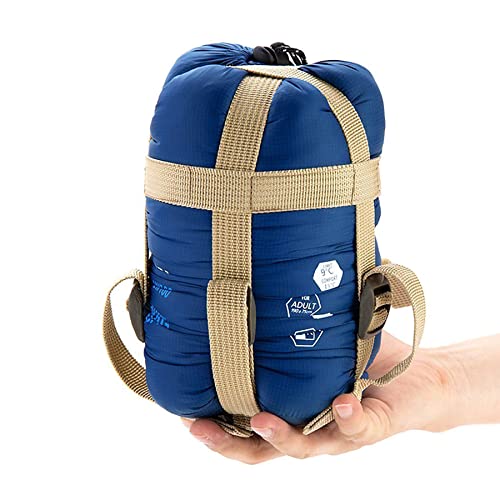
For hiking, every ounce counts. A typical 3-season down mummy bag weighs between 1.5 and 3 pounds, while synthetic equivalents run 2.5 to 4 pounds. Ultralight backpacking bags can drop below 1.5 pounds but often sacrifice durability and features. Packed size matters too: down bags compress to the size of a football or smaller, while synthetic bags take up more room in your pack.
If you are building an ultralight kit, combine a compact bag with an ultralight camping sleeping pad and a one person backpacking tent. For couples, a two person backpacking tent and a double bed air mattress with built-in pump can round out a comfortable shared setup.
Key Features to Look For in a Hiking Sleeping Bag
- Draft collar and draft tube: Prevent cold air from entering around the neck and zipper.
- Hood: Traps heat around your head. A well-fitted hood adds significant warmth.
- Zipper configuration: Full-length zippers are easier to vent; half-zip and quilt-style bags save weight.
- Shell fabric: Ripstop nylon or polyester with a DWR finish balances durability and weather resistance.
- Storage: A lofting sack for home storage and a compression sack for the trail.
- Water resistance: Consider a bag with a water-resistant shell or pair it with a waterproof stuff sack.
For cold-weather hiking, combine these features with a layering clothing system and a winter emergency kit. If you are hiking in bear country, review food storage rules to keep your camp safe.
How to Choose the Right Sleeping Bag for Your Hike
Start by identifying the lowest nighttime temperature you expect. Then decide on insulation type based on climate and budget tier. Next, choose a shape that matches your sleep style. Finally, set a weight target based on your pack strategy. For most 3-season hikers, a 20°F down mummy bag in the mid-range to premium tier is the sweet spot. Summer hikers can save weight and money with a 35°F to 45°F bag.
If you are unsure about tent compatibility, read how to choose tent size and tent vs hammock. For destination inspiration, explore camping destinations, Yosemite camping, Joshua Tree camping, or Colorado camping.
Care and Maintenance for Longevity
Store your bag uncompressed in a large cotton or mesh sack to preserve loft. Clean it according to the manufacturer's instructions, typically with a gentle detergent designed for down or synthetic fills. Avoid frequent washing; use a liner to keep the bag clean. Repair small tears immediately with repair tape. Proper care can extend a bag's life by many seasons.
Frequently Asked Questions
What temperature rating sleeping bag do I need for hiking?
For most 3-season hiking, a bag rated 20°F to 30°F (-7°C to -1°C) works well. Summer hikers can use 35°F to 50°F bags, while winter backpackers need 0°F (-18°C) or lower. Always match the rating to the lowest expected nighttime temperature and add a margin if you sleep cold.
Is down or synthetic better for a hiking sleeping bag?
Down offers the best warmth-to-weight ratio and packs smaller, making it ideal for backpacking. Synthetic bags are heavier but insulate when wet and cost less, making them a good choice for damp climates or budget-focused hikers.
What shape sleeping bag is best for backpacking?
Mummy bags are the most efficient for hiking because they reduce weight and bulk while maximizing warmth. Semi-rectangular bags offer more room at a slight weight penalty, and rectangular bags are best for car camping rather than backpacking.
Can I use a camping sleeping bag for hiking?
Yes, but car camping bags are usually heavier and bulkier. For hiking, prioritize a bag with a good warmth-to-weight ratio, a compact packed size, and a temperature rating that matches your conditions. Many entry-level camping bags can work for short summer hikes if weight is not critical.
How do I stay warm in a sleeping bag while hiking?
Wear dry base layers, use a sleeping pad with adequate R-value, wear a hat, eat a snack before bed, and make sure your bag is properly lofted. Avoid breathing into the bag, which adds moisture. For winter trips, read our how to stay warm in winter guide.
Ready to find your ideal hiking sleeping bag? Browse our curated selection below. These picks cover entry-level, mid-range, and premium options for every hiking style.
VIEW RECOMMENDED BAGS