
Good Tents for Backpacking: The Ultimate Buyer's Guide
Choosing the right shelter is the most critical decision for any backpacker. We break down the features, materials, and designs that separate a good backpacking tent from a great one.
VIEW TOP PICKSWhy Trust This Guide? We understand that backpacking gear needs to balance weight, durability, and livability. This guide focuses on the essential criteria—packed size, trail weight, weather resistance, and ease of setup—to help you make an informed decision for your next adventure.
Why Your Backpacking Tent Matters
When you are miles deep on a trail, your tent is more than just a piece of gear; it is your home, your protection against the elements, and your sanctuary after a long day of hiking. Unlike car camping where weight is less of a concern, a good tent for backpacking must strike a delicate balance between comfort and portability. Every ounce counts when you are carrying your life on your back.
Whether you are a solo hiker looking for a minimalist shelter or part of a group needing a spacious two-person backpacking tent, the market offers a bewildering array of options. From freestanding dome designs to ultralight trekking pole shelters, understanding the nuances of tent construction is key to a successful trip. If you are new to the hobby, starting with a reliable one-person backpacking tent is often the best way to learn what features you truly need.
Key Features of a Good Backpacking Tent
Before diving into specific models, it helps to understand the terminology and features that define a quality backpacking shelter. Focusing on these attributes will help you filter through the marketing noise and find a tent that suits your specific hiking style.
- Trail Weight vs. Packed Weight: Trail weight typically refers to the tent body, rainfly, and poles (everything you need to pitch it). Packed weight includes stakes, guy lines, and stuff sacks. Always prioritize the trail weight as your primary metric.
- Seasonality: Most backpacking tents are 3-season models, designed to handle spring, summer, and fall conditions. They prioritize ventilation to prevent condensation. For extreme winter conditions, you would need a 4-season tent, which is heavier and designed to withstand snow loads.
- Freestanding vs. Non-Freestanding: Freestanding tents can stand up on their own without stakes, making them easier to pitch on rocky or hard ground. Non-freestanding tents (often trekking pole tents) require staking out to achieve their shape, saving significant weight but requiring specific site conditions.
- Doors and Vestibules: A good backpacking tent should have at least one large door and a vestibule for storing your muddy boots and pack outside the sleeping area. Two doors and two vestibules are ideal for two-person tents to avoid climbing over your partner.
- Materials: Look for lightweight fabrics like silnylon or silpoly for the rainfly and floor. These materials offer excellent waterproof ratings (measured in hydrostatic head) without adding unnecessary bulk. Aluminum poles are standard for their strength-to-weight ratio.
If you are unsure about the specific capacity you need, our guide on how to choose tent size can help you determine whether a solo or multi-person shelter is right for you. For those looking to shave every possible gram, exploring ultra-lightweight sleeping bag options alongside your tent choice is a smart move.
Types of Backpacking Tents
The design of your tent affects not only its weight but also its livability and setup process. Here are the most common styles you will encounter:
1. Ultralight Trekking Pole Tents
These tents use your hiking poles as the primary structure, eliminating the need for traditional tent poles. This drastically reduces weight, often bringing a solo shelter under two pounds. They are ideal for thru-hikers and minimalists. However, they require careful pitching and are generally non-freestanding, meaning you must stake them out properly. A popular option in this category is the tent with trekking pole design, which offers excellent weight savings for experienced backpackers.
2. Freestanding Dome Tents
These are the most common and user-friendly backpacking tents. They use a system of poles that cross to create a dome shape. They are easy to set up, can be moved once pitched, and perform well in a variety of conditions. While slightly heavier than trekking pole tents, the convenience and versatility make them a favorite for beginners and weekend warriors. For those who prioritize comfort and space, a two-person backpacking tent in a dome style offers a great balance.
3. Single-Wall vs. Double-Wall Tents
Double-wall tents feature a separate tent body (often mesh) and a rainfly. This design offers superior ventilation and reduces condensation inside the tent. Single-wall tents combine the fly and body into one layer, saving weight but often suffering from more internal condensation. For most backpackers, a double-wall tent is the preferred choice for comfort and moisture management.
How to Choose the Right Tent for Your Adventure
Selecting a good tent for backpacking is a personal decision based on your specific needs. Consider the following factors before making a purchase:
- Your Budget Tier: Entry-level tents are often heavier and use less durable materials, making them suitable for occasional trips. Mid-range tents offer the best balance of weight, durability, and features for most backpackers. Premium and luxury tiers are for dedicated enthusiasts who demand the lightest materials and top-tier craftsmanship.
- Climate and Conditions: If you frequently camp in wet, humid environments, prioritize a tent with excellent ventilation and a high waterproof rating. For windy, exposed areas, a low-profile, aerodynamic tent is essential. If you camp in winter, you will need to look into winter tents or a 4-season tent with stove jack for sale.
- Livability: Do you need to sit up inside? Look for tents with steep walls and peak heights that accommodate your sitting height. If you are tall, a tent with a longer floor plan is crucial. Check out options for tents for 2 person if you need more space for you and your gear.
- Ease of Setup: If you often arrive at camp late or in bad weather, an easy set up tent or an instant pop up tent (though heavier) might be worth the trade-off in weight.
Understanding how long do tents last can also influence your decision, as a higher-quality tent with proper care can last for many seasons. If you are considering whether a hammock might be a better fit for your style, our comparison of tent vs hammock can provide valuable insights.
Maintaining Your Backpacking Tent
To ensure your tent remains a reliable shelter for years to come, proper care is essential. Always clean your tent after a trip, especially if it was exposed to saltwater or dirt. Set it up in a shaded area to dry completely before storing it loosely in a cool, dry place. Avoid storing your tent in a compressed stuff sack for long periods, as this can damage the waterproof coatings. Regularly check the seams and re-waterproof them as needed with a seam sealer. If you are looking for more general gear advice, exploring resources like top rated hiking gear can help you round out your kit.
Recommended Backpacking Tents
⚠️ AFFILIATE DISCLOSURE: This website contains affiliate links. As an Amazon Associate, we earn from qualifying purchases. If you make a purchase through these links, we may receive a small commission at no additional cost to you. Read our full affiliate policy.

Night Cat Backpacking Tent for One 1 to 2 Persons Lightweight Waterproof Camping Hiking Tent for Adults Kids Scouts Easy Setup Single Layer 2.2x1.2m

Forceatt Tent for 2 Person is Waterproof and Windproof, Camping Tent for 3 to 4 Seasons,Lightweight Aluminum Pole Backpacking Tent Can be Set Up Quickly,Great for Hiking…

BISINNA 2/4 Person Camping Tent Lightweight Waterproof Backpacking Tent

camppal 1 Person Tent for Camping Hiking Mountain Hunting Backpacking Tents 4 Season Resistance to Windproof Rainproof and Waterproof

Night Cat 2-Persons Backpacking Tent: Waterproof Lightweight Camping Tent for Two People Hiking Outdoor Mountain with Aluminum Poles and Rainfly Army Green
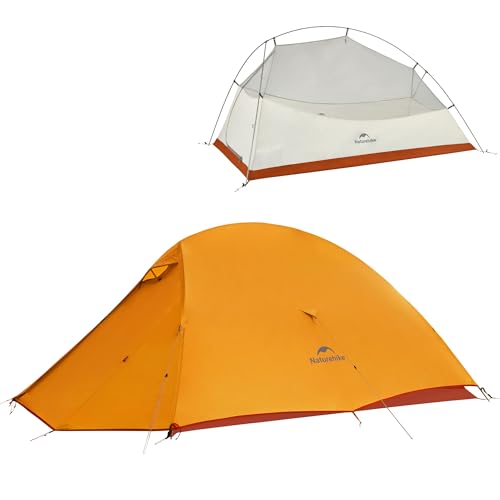
Naturehike Cloud up Base Backpacking Tent, Waterproof Lightweight 2 Person Tent for Camping, Double Layer Two Person Tent with Footprint

OneTigris Stella 4 Season Camping Tent Backpacking 2 Person Waterproof Lightweight Easy Setup Instant 3000mm Waterproof Rating Outdoor Hiking Tent, Black
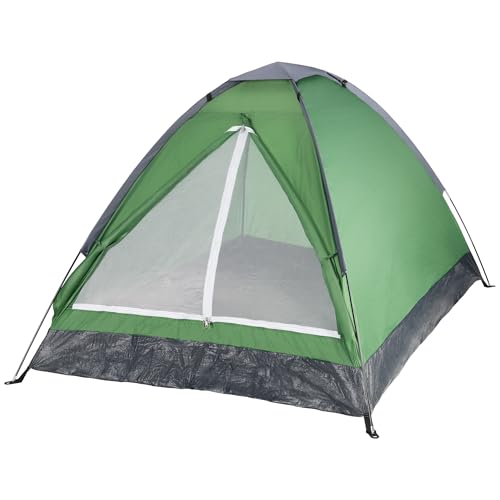
2-Person Camping Tent - Shelter with Rain Fly and Carrying Bag - Lightweight Outdoor Tent for Backpacking, Hiking, and Beach by Wakeman (Green)
Frequently Asked Questions
What is the ideal weight for a backpacking tent?
For a solo backpacker, a good target is under 3 pounds (around 1.3 kg). For a two-person tent, aiming for under 5 pounds (around 2.2 kg) is a solid goal. Ultralight enthusiasts often seek tents under 2 pounds (around 0.9 kg) for solo use. However, the ideal weight depends on your budget, comfort needs, and the duration of your trips.
Do I need a footprint for my backpacking tent?
A footprint is a ground cloth that protects your tent floor from abrasion, punctures, and moisture. While it adds a bit of weight, it can significantly extend the life of your tent. Many manufacturers sell custom footprints, but you can also use a piece of Tyvek or a generic ground cloth cut to size.
Can I use a 3-season tent in winter?
While you can use a 3-season tent in mild winter conditions, they are not designed for heavy snow loads or extreme cold. The mesh panels that provide summer ventilation will let cold air in. For serious winter camping, you need a 4-season tent which is built with solid fabrics and stronger poles to withstand snow accumulation and high winds.
What is the difference between a 2-person and a 2-person plus tent?
A "2-person plus" or "2.5-person" tent is slightly larger than a standard 2-person tent. It offers more interior space for two people and their gear, or provides luxurious space for a solo camper. These are a great option if you find standard 2-person tents too cramped but don't want the weight of a full 3-person tent.