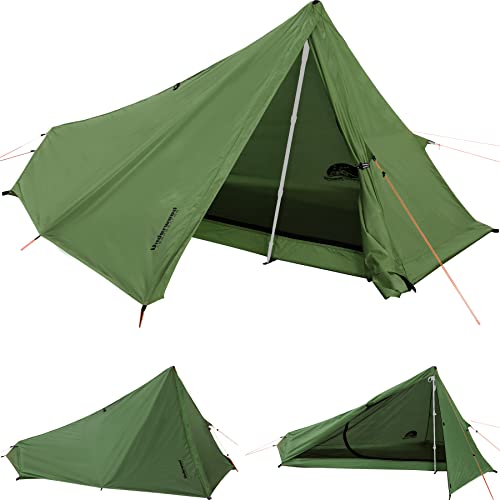
Tent with Trekking Pole: The Complete Ultralight Guide
Discover how trekking pole tents can transform your backpacking experience. Save weight, increase stability, and simplify your camp setup with this comprehensive guide.
Why Trekking Pole Tents? If you're a hiker who already carries trekking poles, you're missing out on one of the most efficient ultralight shelter systems available. A tent with trekking pole eliminates the need for dedicated tent poles, significantly reducing pack weight while maintaining excellent structural integrity. This guide will walk you through everything you need to know — from understanding how they work to choosing the right model for your adventures.
What Exactly Is a Tent with Trekking Pole?
A trekking pole tent (sometimes called a trekking pole shelter or tarp tent) is a lightweight camping shelter that uses your hiking poles as the primary structural support instead of traditional aluminum or fiberglass tent poles. These shelters typically consist of a canopy made from lightweight fabrics like silnylon or DCF (Dyneema Composite Fabric), which is pitched using one or more trekking poles adjusted to specific heights.
The concept is elegantly simple: you're already carrying trekking poles for hiking stability and joint support. By repurposing them as tent poles, you eliminate redundant gear weight from your pack. For backpackers counting every ounce, this can mean saving anywhere from one to three pounds compared to a conventional tent setup.
Most trekking pole tents fall into two main categories: single-wall designs and double-wall designs. Single-wall shelters are the lightest option, featuring a single layer of waterproof fabric that serves as both canopy and rainfly. Double-wall designs include a separate inner tent (often mesh) and an outer rainfly, offering better condensation management and ventilation at a slight weight penalty.
When researching your options, it's worth understanding the broader landscape of lightweight shelters. If you're comparing different ultralight strategies, you might also explore one-person backpacking tents or two-person backpacking tents to see how trekking pole models fit into the ecosystem. Many hikers also consider whether a tent or hammock better suits their sleeping style and typical terrain.
How Do Trekking Pole Tents Work?
Understanding the mechanics of a trekking pole tent helps you appreciate both their strengths and limitations. The basic principle involves adjusting your trekking poles to a specific height (often between 115cm and 130cm, depending on the shelter design) and inserting them into reinforced pockets or grommets at the tent's apex or key structural points.
Pitching Systems
Most trekking pole tents use one of three primary pitching configurations:
- Single-pole A-frame: One trekking pole supports a triangular or wedge-shaped shelter. These are typically the lightest and simplest designs, ideal for solo backpackers.
- Two-pole design: Two trekking poles create a more spacious structure, often forming a ridge line or a modified A-frame. This configuration is common in two-person shelters and offers better headroom and livability.
- Multiple-pole designs: Some larger shelters use three or four trekking poles to create expansive, palace-like interiors. These are popular among thru-hikers who want maximum space without the weight of traditional poles.
Staking and Tensioning
The performance of a trekking pole tent depends heavily on proper staking and tensioning. Unlike freestanding tents, these shelters require secure anchor points to maintain their shape and stability. Most designs use a combination of corner stakes, guy-out points, and sometimes mid-panel pullouts to achieve a taut pitch. Learning to pitch your shelter efficiently in various conditions — from hard-packed ground to sandy soil — is an essential skill.
If you're new to pitching these shelters, practicing at home before your trip is invaluable. You might also want to review techniques for setting up a tent in the rain to keep your gear dry during unexpected weather.
Key Benefits of Trekking Pole Tents
Advantages
- Significant weight savings: Eliminating dedicated poles can reduce your shelter weight by 30-50% or more.
- Compact pack size: Without rigid poles, these tents compress into very small stuff sacks, freeing up pack space.
- Dual-purpose gear: Your trekking poles serve double duty, justifying their place in your pack.
- Excellent ventilation: Many designs offer superior airflow, reducing condensation inside the shelter.
- Modular setups: Many trekking pole shelters can be pitched as just a tarp or with different configurations depending on conditions.
- Cost-effective: Entry-level trekking pole tents often cost less than comparable freestanding models, as you're not paying for integrated poles.
Considerations
- Requires trekking poles: If you don't normally hike with poles, you'll need to purchase them, adding to initial gear costs.
- Pitching skill required: These shelters demand more practice to pitch tautly and efficiently than freestanding tents.
- Site selection matters: You need ground that accepts stakes; rocky or hard-packed surfaces can be challenging.
- Less freestanding stability: In extreme winds, a poorly pitched trekking pole tent may struggle compared to a well-designed freestanding model.
- Condensation management: Single-wall designs require careful ventilation to avoid internal moisture buildup.
How to Choose the Right Trekking Pole Tent
Selecting the ideal trekking pole shelter depends on your specific needs, hiking style, and typical environments. Here are the key factors to evaluate:
1. Capacity and Space
Solo backpackers typically gravitate toward one-person trekking pole tents, which are incredibly light and compact. Couples or those who want extra space for gear might prefer two-person models. Consider your sleeping style and how much gear you'll store inside versus in a vestibule.
For those seeking more spacious alternatives, exploring options like a two-person backpacking tent or even a cabin camping tent with instant setup can provide helpful context for comparing interior volumes and features.
2. Season Rating
Most trekking pole tents are classified as three-season shelters, suitable for spring through fall conditions. If you plan to camp in winter, you'll need a four-season model designed to handle snow loads and extreme winds. These typically feature stronger fabrics and more robust guylines. If winter camping is in your future, consider pairing your shelter research with our guide to winter tents and winter camping gear.
3. Material and Durability
Trekking pole tents are commonly made from silnylon (silicon-coated nylon), silpoly (silicon-coated polyester), or DCF (Dyneema Composite Fabric). Silnylon offers an excellent balance of weight, durability, and cost. Silpoly resists sagging better when wet. DCF is the lightest and strongest option but comes at a premium tier.
| Quality Tier | Typical Materials | Best For | Key Characteristics |
|---|---|---|---|
| Entry-Level | 20D silnylon or polyester | Weekend backpackers, beginners | Good weight savings, reliable performance, more affordable |
| Mid-Range | 15D-20D silnylon, silpoly | Regular backpackers, thru-hikers | Better weight-to-durability ratio, improved features, refined designs |
| Premium | DCF, 10D-15D high-tenacity fabrics | Ultralight enthusiasts, long-distance hikers | Minimal weight, maximum strength, excellent packability, premium construction |
4. Ventilation and Condensation
Proper airflow is critical in any tent, but especially in single-wall trekking pole designs. Look for shelters with multiple vent options, mesh panels, and the ability to adjust airflow based on conditions. High-quality ventilation systems make a significant difference in sleeping comfort, particularly in humid environments.
5. Pitching Simplicity
Some trekking pole tents are notably easier to pitch than others. If you prioritize quick, hassle-free setup, look for designs with clear instructions, color-coded stake loops, and intuitive pole placements. Reviewing guides on the easiest 1-person tent to set up or easiest 2-person tent to set up can provide valuable insights, even if those specific models use traditional poles — the principles often translate.
Mastering Your Trekking Pole Tent
Getting the most out of your trekking pole shelter requires practice and attention to a few key details. Here are essential tips for a successful experience:
Pitch Perfect Every Time
- Adjust pole height correctly: Most manufacturers specify a precise height (e.g., 120cm or 125cm). Use the markings on your trekking poles to set them accurately.
- Stake corners at 45-degree angles: This provides maximum holding power, especially in loose soil.
- Tension systematically: Start with corners, then work toward the apex. Make incremental adjustments until the fabric is taut but not overly stressed.
- Use all guy-out points: In windy conditions, deploying every available guyline dramatically improves stability.
Site Selection and Preparation
Since trekking pole tents require staking, site selection is crucial. Look for level, clear ground with soil soft enough to accept stakes. Remove rocks, twigs, and debris that could damage your tent floor. If you're camping on harder ground, consider carrying a few heavy-duty stakes or learning techniques for anchoring in challenging conditions.
For those who camp in varied environments, understanding how to pitch on different surfaces is valuable. You might review methods for setting up a tent on the beach or setting up a tent on a platform, as these scenarios require modified approaches.
Condensation Management
Condensation is the most common complaint among trekking pole tent users. To minimize internal moisture:
- Maximize ventilation by opening vents and doors when conditions allow.
- Choose campsites with good airflow, avoiding low-lying areas where cold air pools.
- Wipe down interior walls with a microfiber cloth before packing up.
- Consider a double-wall design if you frequently camp in humid or damp conditions.
Weathering the Storm
While trekking pole tents can handle moderate weather well, extreme conditions demand extra preparation. Always check forecasts and be prepared to seek natural shelter if severe weather threatens. Our guides on emergency preparedness for camping and camping weather alerts offer valuable insights for staying safe.
Maintenance and Care for Longevity
Proper care extends the life of your trekking pole tent and ensures reliable performance trip after trip:
- Clean after every trip: Set up your tent at home, wipe down all surfaces with a damp cloth, and allow it to dry completely before storing.
- Store loosely: Avoid compressing your tent into its stuff sack for long-term storage. Hang it or store it loosely in a breathable bag.
- Check seams and stakes: Periodically inspect for loose seams, damaged guylines, or bent stakes. Repair small issues before they become major problems.
- Re-waterproof as needed: Over time, DWR (durable water repellent) finishes degrade. Reapply according to manufacturer recommendations.
- Practice Leave No Trace: Always follow Leave No Trace principles to minimize your impact on the environments you explore.
Frequently Asked Questions
Most trekking pole tents work with standard adjustable trekking poles, but there are some considerations. Your poles must be able to extend to the required height (typically 115-130cm) and have a tip that fits securely into the tent's grommets or pockets. Some ultralight shelters are designed specifically for certain pole types or diameters. Always check the manufacturer's recommendations before purchasing. If you're in the market for new poles, our guide to lightweight hiking poles can help you choose a compatible model.
Absolutely, though they do require a bit more practice than freestanding tents. The key is to practice pitching your tent at home or in a local park before your first trip. Once you've mastered the basic setup, trekking pole tents are straightforward and efficient. Many beginners appreciate the weight savings and simplicity of these shelters. For more foundational tips, explore our first-time camping tips and beginner camping checklist.
With proper pitching and staking, trekking pole tents can handle surprisingly strong winds. The key is to achieve a taut pitch, use all available guylines, and choose a sheltered campsite when possible. That said, extreme exposure above treeline or in severe storms may favor a freestanding tent with a more aerodynamic profile. Always assess conditions and prioritize safety. Our guide to emergency preparedness for camping offers additional insights for handling unexpected weather.
A trekking pole tent typically includes an enclosed sleeping area with a floor, mesh inner (in double-wall designs), and often a vestibule for gear storage. A tarp is simply a flat or shaped fabric sheet that you configure into a shelter using trekking poles, stakes, and guylines. Tarps are lighter and more versatile but require more skill and offer less protection from bugs and ground moisture. Many trekking pole tents are essentially enhanced tarps with added features for convenience and comfort.
Most trekking pole tents come with stakes, but upgrading to higher-quality stakes can make a significant difference. Lightweight aluminum or titanium stakes offer an excellent strength-to-weight ratio. For sandy or loose soil, you may need wider stakes or specialized sand stakes. Carrying a variety of stake types for different conditions is a smart strategy for serious backpackers. If you're camping in varied terrain, reviewing our guide to what to bring camping can help you build a comprehensive stake kit.
Ready to Lighten Your Load?
Explore our recommended trekking pole tents and ultralight camping gear below. These products are selected to help you get started on your ultralight journey.