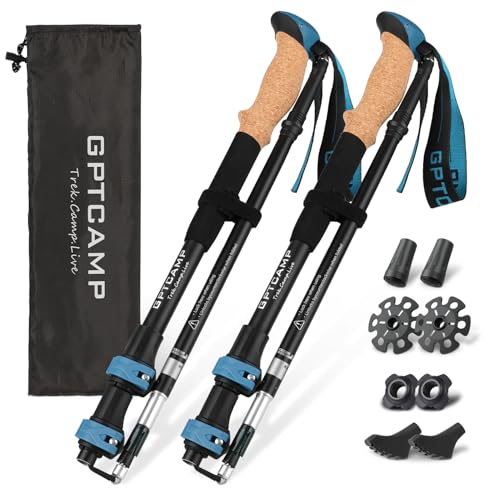
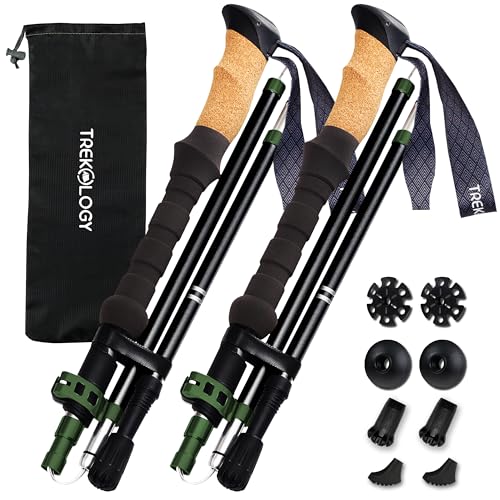
Lightweight Hiking Poles: The Complete Guide to Choosing the Right Pair
Discover how the right lightweight hiking poles can reduce joint strain, improve balance on uneven terrain, and transform your hiking experience. This comprehensive guide covers everything from materials and features to expert recommendations.
If you have ever felt the burn in your knees during a steep descent or struggled to maintain balance on a rocky trail, you already understand why experienced hikers consider lightweight hiking poles to be essential gear. These simple yet incredibly effective tools distribute your effort more efficiently, engage your upper body, and provide a crucial third point of contact on unpredictable ground. Whether you are a weekend warrior on local trails or a seasoned backpacker tackling multi-day expeditions, understanding what makes a great pair of poles will help you make a confident purchase decision.
This guide is designed for hikers who already know they want poles but need clarity on which type, material, and features will best suit their adventures. We will walk through the science of why poles work, the critical differences between materials like aluminum and carbon fiber, locking mechanisms, grip options, and practical considerations for different terrains. By the end, you will have a clear framework for choosing the perfect pair. For those just starting to build their hiking kit, our guide on top-rated hiking gear provides a broader overview of essentials.
Why Lightweight Hiking Poles Make a Difference
The benefits of hiking poles extend far beyond simple stability. Research in outdoor medicine has consistently shown that poles can significantly reduce compressive forces on the knees, particularly during downhill sections. When you plant a pole, you effectively redistribute a portion of your body weight and pack load through your arms and shoulders, sparing your lower joints from repeated impact. This becomes especially important when carrying a heavier pack during backpacking trips, where the cumulative stress on your body can lead to fatigue and injury.
Beyond joint protection, lightweight hiking poles enhance your proprioception—your sense of body position and movement. On uneven terrain, loose scree, river crossings, or muddy trails, the extra contact point gives your brain more information to maintain balance. This added stability can prevent falls and allow you to move more confidently and efficiently. For anyone planning extended trips, such as those using a two-person backpacking tent or a one-person backpacking tent, poles are often a non-negotiable part of the packing list. Even if you are using a lightweight shelter system, the weight of poles is well worth the physical benefits they provide.
Reduced Joint Impact
Poles can reduce knee stress by up to 25% on descents, making long hikes more comfortable and reducing recovery time.
Improved Balance & Stability
An extra point of contact helps you navigate rocky, muddy, or uneven terrain with greater confidence and safety.
Increased Endurance
By engaging your upper body, poles distribute effort across more muscle groups, helping you hike longer with less fatigue.
Versatile Utility
Poles double as supports for ultralight tents, tarp shelters, and even as a splint in emergency first-aid situations.
Key Features to Consider in Lightweight Hiking Poles
Not all hiking poles are created equal. The right pair for you depends on your hiking style, terrain preference, and physical needs. Below are the critical features to evaluate before making a purchase.
- Material: Aluminum poles are durable, budget-friendly, and forgiving of rough handling. Carbon fiber poles are lighter and absorb more vibration but come at a premium and can be more brittle under extreme stress. Your choice depends on whether you prioritize durability or weight savings.
- Locking Mechanism: Flip locks are fast and easy to adjust with gloves on, while twist locks are more streamlined and less prone to snagging. Both have their merits; flip locks are generally preferred for cold-weather use.
- Grip Material: Cork grips mold to your hand over time and manage moisture well. Foam grips are lightweight and comfortable. Rubber grips offer the most durability but can become slippery when wet. Consider your climate and hand-sweat tendencies.
- Shaft Design: Telescoping poles collapse into two or three sections for easy packing. Folding poles (like Z-poles) are even more compact and ideal for backpacking or travel, though they may sacrifice some adjustability.
- Weight: Lightweight poles typically weigh between 6 and 12 ounces per pair. Ultralight models can be even lighter but may compromise on durability. Consider the total weight you will be carrying, especially if you are also packing a ultralight camping sleeping pad or other lightweight gear.
- Packability: If you are using public transport or flying to your destination, compact folding poles are much easier to stow in a lightweight backpack for hiking or travel bag.
- Accessories: Interchangeable tips (carbide, rubber, snow baskets) and adjustable wrist straps enhance versatility across seasons and terrains.
Aluminum vs. Carbon Fiber: Which Material Is Right for You?
The material of your hiking poles is one of the most significant factors affecting both weight and performance. Aluminum alloys (typically 7075 or 6061) are the workhorses of the hiking world. They are durable, cost-effective, and can bend rather than shatter under extreme force—a safety advantage in remote areas. However, they are slightly heavier and transmit more vibration than carbon fiber.
Carbon fiber poles are prized for their ultralight weight and superior vibration damping, which reduces fatigue on long days. They feel stiffer and more responsive. However, carbon fiber can fail catastrophically if subjected to a sharp impact or excessive lateral force, and it is generally more expensive. If your hikes involve a lot of scrambling over rocks or you tend to be hard on gear, aluminum may be the smarter choice. If you are counting every ounce for a fast-and-light backpacking trip, carbon fiber is worth the investment. For those who frequently hike with a partner, consider how your gear choices complement shared equipment like a two-person backpacking tent; weight savings on personal items can offset a slightly heavier shelter.
| Feature | Aluminum Alloy | Carbon Fiber |
|---|---|---|
| Weight | Light to mid-weight | Ultralight |
| Durability | High; bends before breaking | Moderate; can crack on impact |
| Vibration Damping | Moderate | Excellent |
| Stiffness | Good | Superior |
| Cost Tier | Budget-friendly to mid-range | Mid-range to premium |
| Best For | Rocky terrain, beginners, durability seekers | Ultralight backpacking, long-distance hikers |
Matching Poles to Your Hiking Style
The ideal hiking pole setup varies depending on the type of adventure you pursue. For casual day hikes on well-maintained trails, a simple pair of aluminum poles with cork grips and flip locks will serve you well without breaking the bank. These entry-level to mid-range options offer reliability and comfort for occasional use.
For backpacking and multi-day trips, weight becomes a primary concern. Folding carbon fiber poles with foam grips are a popular choice among thru-hikers and ultralight enthusiasts. They pack down small, attach easily to the exterior of a lightweight backpacking rain jacket or pack, and reduce fatigue over long distances. If you are hiking in winter or on snowy terrain, look for poles with interchangeable baskets and consider a model with a longer grip section for varied hand positions. Our guide to winter camping gear covers additional considerations for cold-weather adventures.
For travelers who fly to their hiking destinations, compact folding poles are a game-changer. They fit easily into carry-on luggage and can be assembled in seconds at the trailhead. This convenience is particularly valuable if you are also bringing other specialized gear, such as a portable hammock and stand or a light-weight camp cot, where every bit of pack space counts.
Maintenance Tips for Longevity
To get the most out of your investment, proper maintenance is essential. After each trip, wipe down the poles with a damp cloth to remove dirt and mud, especially around the locking mechanisms. Periodically disassemble the poles (if they are telescoping) and clean the internal sections. Apply a small amount of silicone lubricant to the threads or locking mechanisms to ensure smooth operation. Check the carbide tips for wear; they can be replaced when they become dull. Store your poles in a dry place, fully extended, to prevent moisture from becoming trapped inside the shafts.
Frequently Asked Questions About Lightweight Hiking Poles
Final Thoughts on Choosing Lightweight Hiking Poles
Investing in a quality pair of lightweight hiking poles is one of the most effective ways to enhance your comfort, safety, and enjoyment on the trail. By understanding the key differences between materials, locking mechanisms, and grip options, you can select a pair that aligns perfectly with your hiking style and goals. Whether you opt for durable aluminum or ultralight carbon fiber, the right poles will quickly become an indispensable part of your outdoor adventures. Remember to consider how your poles integrate with your other gear, from your backpack to your shelter, to create a cohesive and efficient setup.
For more information on building a complete and functional camping kit, explore our guides on camping gear and camping checklists. With the right preparation and equipment, you will be ready to confidently tackle any trail that lies ahead.