Single Burner Propane Stove: The Ultimate Guide for Campers
A single burner propane stove is one of the most versatile and essential pieces of camping gear you can own. Whether you are a solo backpacker, a weekend car camper, or someone who simply wants a reliable emergency cooking solution, a portable propane stove delivers consistent heat, easy setup, and dependable performance in the outdoors.
In this comprehensive guide, we will walk you through everything you need to know about single burner propane stoves: how they work, what features matter most, how to choose the right one for your needs, and how to use and maintain it safely. By the end, you will have the confidence to select the perfect stove and cook delicious meals wherever your adventures take you.
What Is a Single Burner Propane Stove?
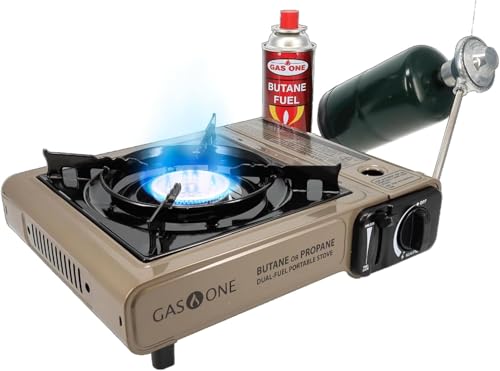
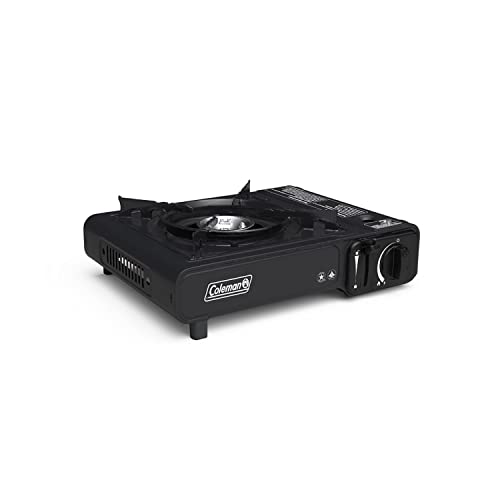
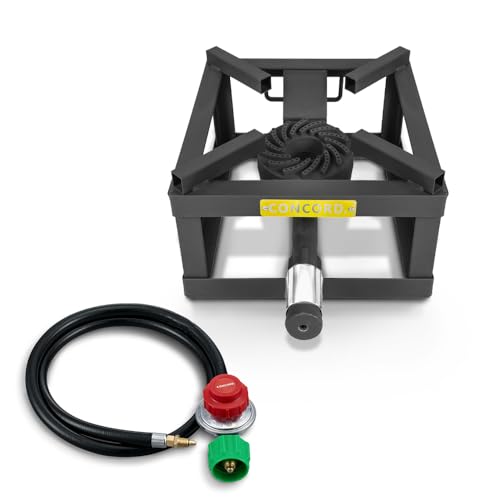
A single burner propane stove is a compact, portable cooking appliance that uses propane gas as its fuel source. Unlike traditional campfire cooking or bulky two-burner camp stoves, a single burner unit is designed for simplicity and portability. It typically consists of a burner head, a control valve, a fuel line, and a base that supports a small propane canister or connects to a larger propane tank.
These stoves are incredibly popular among campers because they are lightweight, easy to ignite, and capable of delivering precise flame control. Many models are compatible with standard threaded propane canisters, while others can be connected to larger refillable tanks via an adapter hose. This flexibility makes them suitable for everything from quick overnight trips to extended basecamp cooking.
If you are still deciding between different shelter options for your camping setup, you might want to explore our guide on camping tents with stove jacks, which allow you to safely use your stove inside a tent during cold weather.
Key Features to Consider When Choosing a Single Burner Propane Stove
Not all single burner stoves are created equal. The right choice depends on your camping style, cooking habits, and the conditions you expect to encounter. Here are the most important features to evaluate:
1. BTU Output and Heat Control
BTU (British Thermal Unit) rating indicates how much heat the burner can produce. Entry-level stoves typically offer lower BTU output, which is fine for boiling water and simple meals. Mid-range models provide a good balance of power and fuel efficiency. Premium stoves often feature higher BTU output with precise simmer control, allowing you to cook everything from pancakes to stir-fry.
Look for a stove with a wide flame adjustment range. A stove that can go from a rolling boil to a gentle simmer gives you the most cooking flexibility.
2. Ignition System
Push-button piezoelectric igniters are convenient and eliminate the need for matches or lighters. However, they can fail over time. Many experienced campers prefer stoves with manual ignition, as they are more reliable in the long run. Some premium models offer both options.
3. Fuel Compatibility
Most single burner propane stoves work with standard 1-pound propane canisters. If you plan to camp for extended periods, consider a model that can connect to a larger 20-pound tank via a hose adapter. This is more economical and reduces waste. Always check that the stove you choose is compatible with the fuel type you intend to use.
4. Build Quality and Materials
Stainless steel burners and brass valves resist rust and corrosion. The body of the stove should be sturdy enough to support a full pot without wobbling. Entry-level stoves often use lighter materials, while premium models feature heavy-duty construction designed to last for many seasons.
5. Portability and Weight
If you are backpacking, weight is critical. Ultralight single burner stoves can weigh as little as a few ounces. For car camping, a slightly heavier stove with a wider base and more stable pot supports is often a better choice. Consider how the stove folds or packs away, and whether it comes with a carrying case.
6. Wind Resistance
Cooking in windy conditions can be frustrating and fuel-wasting. Look for a stove with a built-in wind deflector or a recessed burner head that shields the flame. Some models offer optional wind screens that clip onto the stove.
Pro Tip: If you frequently camp in exposed areas, pair your single burner stove with a sturdy portable camping table to create a stable, wind-protected cooking station.
Types of Single Burner Propane Stoves
Single burner stoves come in several designs, each suited to different camping scenarios. Understanding these categories will help you narrow down your options.
Backpacking Stoves
These are the lightest and most compact options. They typically screw directly onto a propane canister and feature folding pot supports. Backpacking stoves are ideal for solo adventurers who prioritize weight savings. However, they may lack the stability and flame control of larger models. For those who need a reliable shelter to go with their ultralight stove, consider a one-person backpacking tent or a two-person backpacking tent.
Basecamp Stoves
These stoves are heavier and more robust, designed for car camping and extended stays. They often feature wider pot supports, better wind resistance, and more precise flame control. Many basecamp stoves can be connected to larger propane tanks for long-term use. If you are setting up a comfortable basecamp, a large family tent paired with a reliable stove creates a true home away from home.
Integrated System Stoves
Some single burner stoves are part of an integrated cooking system, where the pot and stove are designed to work together for maximum efficiency. These systems are excellent for boiling water quickly and are popular among backpackers and minimalist campers.
Emergency and Backup Stoves
Compact single burner stoves are also popular as emergency preparedness tools. They store easily, light quickly, and can boil water or heat food during power outages or natural disasters. For a comprehensive emergency kit, pair your stove with a camping first aid kit and a reliable communication device.
How to Choose the Right Single Burner Propane Stove
With so many options available, choosing the right stove can feel overwhelming. Here is a step-by-step approach to make the decision easier:
- Define your camping style: Are you backpacking, car camping, or preparing for emergencies? Your primary use case will dictate the size, weight, and features you need.
- Determine your cooking needs: If you only boil water, a simple entry-level stove will suffice. If you cook full meals, invest in a mid-range or premium stove with better flame control.
- Consider fuel logistics: Will you use small canisters or a larger tank? Make sure the stove you choose supports your preferred fuel source.
- Check stability and wind resistance: A stable stove is safer and easier to use, especially when cooking with larger pots.
- Read reviews and compare: Look for real-world feedback on durability, ease of use, and reliability. Our guide on camping gear for cooking can provide additional insights.
| Feature | Entry-Level | Mid-Range | Premium |
|---|---|---|---|
| BTU Output | Lower, basic heating | Moderate, good balance | High, precise control |
| Ignition | Manual or basic push-button | Push-button igniter | Reliable push-button or dual ignition |
| Build Quality | Lightweight materials | Stainless steel components | Heavy-duty, corrosion-resistant |
| Wind Resistance | Minimal | Moderate, some shielding | Excellent, built-in deflectors |
| Best For | Occasional use, boiling water | Regular camping, versatile cooking | Serious campers, extended trips |
How to Use a Single Burner Propane Stove Safely
Propane stoves are safe when used correctly. Follow these guidelines to ensure a safe cooking experience:
- Always use outdoors or in well-ventilated areas: Never use a propane stove inside a tent, RV, or enclosed space. Carbon monoxide is odorless and deadly.
- Check for leaks: Before lighting, apply soapy water to connections. If bubbles form, there is a leak. Tighten or replace the connection immediately.
- Keep flammable materials away: Maintain a safe distance from tents, sleeping bags, and other gear. Be mindful of campfire safety rules even when using a stove.
- Use on a stable surface: Place the stove on a level, heat-resistant surface. A portable camping table works well.
- Never leave the stove unattended: Stay with your stove while it is lit, especially when cooking with oil or grease.
- Store fuel properly: Keep propane canisters in a cool, dry place away from direct sunlight and heat sources.
- Know how to extinguish: If a fire occurs, turn off the fuel supply immediately if safe to do so. For more information, see our guide on how to extinguish a campfire.
For a complete safety toolkit, consider pairing your stove with a wilderness first aid kit and learning about common camping injuries to be prepared for any situation.
Maintaining Your Single Burner Propane Stove
Proper maintenance extends the life of your stove and ensures safe operation. Here are some essential maintenance tips:
- Clean after every use: Wipe down the burner head and body with a damp cloth. Remove food debris and grease.
- Check the burner ports: Clogged ports can cause uneven flames. Use a small brush or wire to clear them.
- Inspect the fuel line: Look for cracks, kinks, or wear. Replace the line if damaged.
- Store properly: Store your stove in a dry place. If it came with a carrying case, use it to protect the stove from dust and moisture.
- Test before each trip: Light the stove before you leave home to ensure it is working correctly.
If you are planning to camp in cold weather, proper maintenance becomes even more critical. Check out our guide on winter camping gear for tips on keeping your equipment in top shape during freezing temperatures.
Cooking Tips for Single Burner Propane Stoves
A single burner stove is more capable than you might think. With the right techniques, you can prepare delicious meals that rival your home kitchen.
Plan Simple, One-Pot Meals
Since you have only one burner, focus on meals that can be cooked in a single pot or pan. Stews, soups, pasta dishes, and stir-fries are all excellent choices. For more inspiration, explore our guide on camping gear for cooking.
Use the Right Cookware
Lightweight, conductive cookware heats faster and more evenly. A camping cooking pot set or a mess kit is ideal for single burner cooking. Avoid heavy cast iron unless you are car camping and have the space.
Master Flame Control
Learn to adjust the flame based on what you are cooking. A high flame is great for boiling, while a low flame is essential for simmering sauces and soups. Practice at home before your trip.
Prep Ingredients Ahead
Chop vegetables, measure spices, and portion ingredients before you leave home. This minimizes prep time at camp and allows you to focus on cooking.
Clean as You Go
Wipe down your stove and cookware immediately after use. This prevents food from hardening and makes cleanup much easier.
For more tips on what to bring for your camping kitchen, see our guide on what to bring camping.
Frequently Asked Questions About Single Burner Propane Stoves
Can I use a single burner propane stove inside a tent?
No. Never use a propane stove inside a tent or any enclosed space. Carbon monoxide produced by propane combustion is invisible, odorless, and potentially fatal. Always cook outdoors or in a well-ventilated area.
How long does a 1-pound propane canister last?
The duration depends on the stove's BTU output and the flame setting. On a low simmer, a 1-pound canister can last for several hours. On high heat, it may last for one to two hours. For extended trips, consider connecting your stove to a larger refillable tank.
What is the best single burner propane stove for backpacking?
The best backpacking stove is one that balances low weight with reliable performance. Look for a model that weighs under a pound, has a stable pot support, and offers good flame control. Integrated system stoves are also popular for their efficiency.
Can I use a single burner propane stove for emergency preparedness?
Yes. A single burner propane stove is an excellent addition to any emergency kit. It allows you to boil water, heat food, and stay warm during power outages or natural disasters. Store extra propane canisters and a manual igniter as backup.
How do I clean my single burner propane stove?
Wipe the burner head and body with a damp cloth after each use. For stubborn residue, use a mild detergent and a soft brush. Avoid submerging the stove in water, as this can damage the ignition system and fuel line.
What should I do if my stove won't light?
Check that the propane canister is not empty and that the connection is tight. If the stove has a piezoelectric igniter, it may need to be replaced. Try lighting the stove with a match or lighter to determine if the issue is the igniter or the fuel supply. If the problem persists, consult the manufacturer's troubleshooting guide.
Ready to Elevate Your Camp Kitchen?
Browse our curated selection of single burner propane stoves and find the perfect match for your next adventure. Whether you are a solo backpacker or a family camper, there is a stove that fits your needs.