Fire Starters for Camping: A Complete Guide to Reliable Fire
Master the art of fire starting with our comprehensive guide. From ferro rods to waterproof cubes, learn which tools work best in every condition.
EXPLORE FIRE STARTERSThe CampLifeEssentials Promise: A reliable fire starter is one of the most critical pieces of gear you can carry. It provides warmth, cooking capability, and a psychological boost in survival situations. This guide will help you choose the right tool for your needs.
Why You Need a Dedicated Fire Starter
Building a fire in perfect conditions is easy. But when it's raining, windy, or you're low on energy, a dedicated fire starter becomes essential. Matches get wet, lighters fail in cold temperatures, and natural tinder may be scarce. A purpose-built fire starter provides a reliable ignition source when it matters most. Whether you're a casual camper or a serious survivalist, carrying a dependable fire-starting tool is non-negotiable. For a complete breakdown of essential camping gear, explore our guide to essential items for camping.
Types of Fire Starters for Camping
Ferro Rods (Ferrocerium Rods)
Ferro rods are the gold standard for serious campers. By striking the rod with a hardened steel scraper, you shave off tiny particles of ferrocerium that ignite at extremely high temperatures (up to 5,000°F). This shower of sparks can ignite tinder even in wet or windy conditions. Entry-level ferro rods work fine for casual use, but mid-range and premium models offer larger rods that last longer and produce more sparks per strike. They are waterproof, durable, and have an essentially unlimited shelf life. Pair one with a camping and cooking gear setup for a complete fire-making kit.
Waterproof Fire Cubes and Tinder
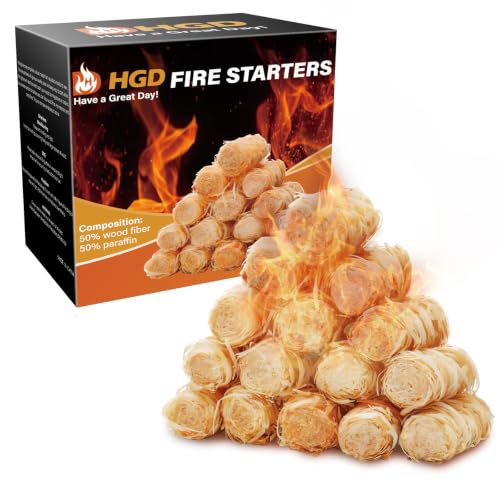
These are pre-treated, compact blocks of combustible material that light easily and burn long enough to ignite kindling. They are an excellent backup for any camping trip. Budget-friendly options work well for fair-weather camping, while high-end versions are designed to burn hotter and longer in adverse conditions. They are lightweight, easy to use, and require no skill. Simply place one in your fire pit, light the edge with a match or lighter, and add kindling. For winter trips, consider pairing these with a winter campfire tips strategy to ensure success in cold weather.
Magnesium Blocks and Other Alternatives
Magnesium fire starters require you to shave off a small pile of magnesium into your tinder, then strike the built-in ferro rod to ignite the shavings. They are excellent for emergency kits but require more practice than other options. Other alternatives include chemical fire starters (which ignite when exposed to air), water-activated fire starters, and traditional flint and steel. Each has its place, but for most campers, a ferro rod combined with waterproof tinder is the most versatile and reliable approach.
How to Choose the Right Fire Starter
When selecting a fire starter, consider the following factors:
- Reliability: Ferro rods are the most reliable in wet and windy conditions. Waterproof cubes are a close second.
- Ease of Use: If you're new to fire starting, waterproof cubes or a simple lighter are easiest. Ferro rods require practice.
- Weight and Size: For backpacking, a small ferro rod or a few lightweight cubes are ideal. Car campers can afford bulkier options.
- Durability: Ferro rods last for thousands of strikes. Waterproof cubes are single-use but have a long shelf life.
- Backup Plan: Always carry at least two methods. A ferro rod plus waterproof matches or a lighter is a solid combination.
For those building a comprehensive survival kit, consider how your fire starter integrates with other top-rated camping gear. A fire starter is only as good as the tinder and kindling you have available, so practice with natural materials like birch bark, dry grass, or pine needles. In damp conditions, you may need to rely on back-country camping gear like waterproof tinder to get a fire going.
Fire Safety and Responsible Use
No discussion of fire starters is complete without emphasizing safety. Always follow campfire safety rules and check for fire ban restrictions before you head out. Never leave a fire unattended, and always extinguish your campfire completely before leaving. Practice Leave No Trace principles by using existing fire rings and keeping fires small. In dry conditions, consider using a portable fire pit or a propane portable gas stove instead of an open fire.
Maintenance and Storage Tips
To ensure your fire starters are ready when you need them, follow these simple tips:
- Keep ferro rods dry and store them in a waterproof container.
- Check waterproof cubes periodically for damage or moisture.
- Replace worn ferro rods before they become too short to strike effectively.
- Store fire starters in multiple locations: your pack, your emergency kit, and your vehicle.
- Practice using your fire starter in your backyard before relying on it in the wild.
For a complete camping setup, pair your fire starter with other camping trip supply list items like a camping cooking pot set and a single burner propane stove for cooking. If you're camping in winter, review our winter camping gear guide for additional recommendations.
Frequently Asked Questions
What is the best fire starter for camping?
The best fire starter depends on your needs. Ferro rods are the most reliable in adverse conditions, while waterproof cubes are the easiest for beginners. For a complete guide to camping gear, see our camping trip equipment list.
Can I use a fire starter in the rain?
Yes, ferro rods and waterproof fire cubes work well in rain. However, you'll need dry tinder and kindling. Consider carrying a small amount of dry tinder in a waterproof container. For more wet-weather tips, see our guide to camping in a tent in the rain.
Are fire starters allowed in national parks?
Fire starters are generally allowed, but always check local regulations. Some parks have fire bans during dry seasons. See our guide to national park rules and campfire regulations for more information.
How do I practice using a fire starter?
Practice in your backyard or a local park with a fire pit. Start with dry conditions, then try in damp or windy conditions. Always follow campfire safety rules and have a way to extinguish the fire nearby.