Pup Tent Guide: Compact Shelters for Scouts & Backpackers
Everything you need to know about pup tents — the classic low-profile shelter trusted by scouts, hikers, and minimalist campers. Compare designs, materials, and setup tips to find the right small tent for your adventures.
START EXPLORINGWhy pup tents still matter: In an era of oversized cabin tents and glamping domes, the pup tent remains a benchmark for simplicity, portability, and no-fuss camping. Whether you are a scout leader equipping a troop, a solo backpacker counting ounces, or a weekend camper who values quick setup, understanding the pup tent's strengths and limits helps you choose a shelter that matches your style.
What Is a Pup Tent?
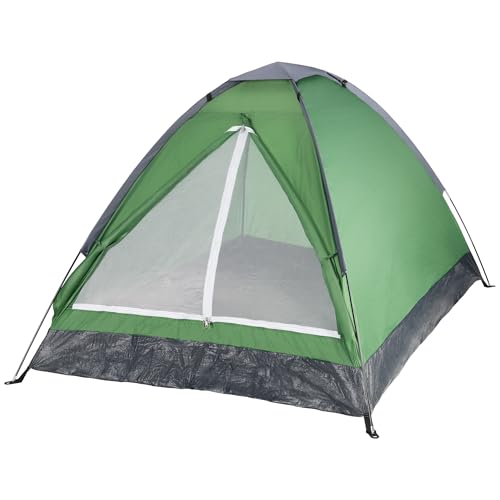
A pup tent is a small, low-profile shelter traditionally characterized by an A-frame or ridge-pole design. The name likely derives from its compact size — small enough for a "pup" — and its historical association with military and scout use. Classic pup tents consist of two sloping sides supported by a ridge pole, with stakes anchoring the corners and guy lines maintaining tension.
Modern pup tents have evolved. While some retain the traditional A-frame silhouette, others adopt dome, tunnel, or wedge geometries while preserving the core idea: a lightweight, simple, and packable shelter for one or two people. This makes them ideal for minimalist camping, scout outings, and backpacking trips where every ounce counts.
If you are comparing small shelters, it helps to understand how a pup tent differs from a tarp tent (which relies on trekking poles and stakes) and from a hanging tent (suspended from trees). Pup tents are freestanding or semi-freestanding, use dedicated poles, and offer enclosed protection with a built-in floor and insect mesh.
For campers who want more interior volume, a dome tent or large tent may be a better fit. But for those who prioritize packability and quick setup, the pup tent remains a compelling choice. If you are specifically looking for a one-person option, see our guide to the easiest 1-person tent to set up.
History & Modern Evolution
The pup tent traces its lineage to military shelters of the 19th and early 20th centuries. Soldiers needed a portable, quick-to-pitch canvas shelter that could be carried in a pack or rolled into a bedroll. The classic "shelter half" — two canvas halves buttoned together to form a small A-frame — is the direct ancestor of the modern pup tent.
Scouting organizations adopted similar designs, and generations of scouts learned to pitch pup tents using two poles, a ridge line, and a handful of stakes. Canvas gave way to lightweight nylon and polyester, and pole technology advanced from wood to aluminum and fiberglass. Today, pup tents are available in a range of materials and configurations, from budget-friendly entry-level models to premium ultralight versions.
Modern pup tents often incorporate features that would have seemed luxurious to early campers: factory-taped seams, UV-resistant coatings, color-coded poles, and mesh doors with zippered closures. Some models even include smart camping gear features like integrated LED lighting. Despite these advances, the pup tent's core appeal — simplicity and portability — remains unchanged.
Types of Pup Tents
Not all pup tents are built alike. Understanding the main design variations helps you match a tent to your terrain, climate, and camping style.
1. Classic A-Frame (Ridge Tent)
The traditional pup tent shape. A ridge pole runs the length of the tent, supported by two upright poles at each end. The sides slope steeply to the ground. Pros: simple, lightweight, easy to repair. Cons: limited headroom, poor wind resistance compared to dome designs. Best for fair-weather camping, scout trips, and minimalist backpacking.
2. Modern Dome Pup Tent
Uses two or more flexible poles that intersect to form a rounded dome. Offers better headroom and wind stability than A-frame designs. Still compact and lightweight. Many two-person pup tents use this configuration. If you want a dome-style shelter that is easy to pitch, explore our guide to the easiest 2-person tent to set up.
3. Tunnel Pup Tent
Elongated hoops create a tunnel shape. Offers excellent space-to-weight ratio and is popular among ultralight backpackers. Requires careful staking and tensioning. Tunnel tents can be very stable in wind if pitched correctly. For lightweight alternatives, see our light backpacking resource.
4. Single-Hoop Bivy-Style
A minimal one-person shelter with a single hoop at the head end. Extremely lightweight and packable, but offers very little interior space. Ideal for solo adventurers who prioritize weight savings over comfort. If you are considering a bivy or hammock instead, read our comparison of tent vs hammock.
5. Pop-Up Pup Tent
Uses pre-bent wire or fiberglass loops that spring into shape when unpacked. Setup takes seconds. Downsides include bulkier packed size and less durability over time. Great for kids, festival camping, and casual use. For more instant-setup options, see our guide to the pop-up tent you can stand up in.
Materials & Construction
The materials used in a pup tent determine its weight, durability, weather resistance, and longevity. Here is what to look for:
Fly and Canopy Fabric
- Polyester: Excellent UV resistance, does not stretch when wet, and holds its shape well. Common in mid-range and premium pup tents. Often treated with polyurethane (PU) or silicone coatings for waterproofing.
- Nylon: Lighter than polyester but stretches when wet and degrades faster under UV exposure. Often used in ultralight models. Ripstop nylon is stronger and more tear-resistant. For a detailed comparison, see is nylon or polyester better for tents.
- Canvas: Traditional, durable, and breathable, but heavy and bulky. Rare in modern pup tents except for vintage-style or hot tent designs. Canvas is more common in hot tent camping setups.
Waterproof Coatings
- PU (Polyurethane): Affordable, effective, but can degrade over time and develop a sticky residue. Hydrostatic head ratings of 1500–3000mm are common for pup tents.
- Silicone: More durable, lighter, and does not degrade like PU. Often found on premium tents. Silicone-treated fabrics can be repaired with silicone seam grip.
- DWR (Durable Water Repellent): A surface treatment that causes water to bead and roll off. Not a substitute for a waterproof coating but helps shed moisture.
Poles
- Aluminum: The standard for quality pup tents. Lightweight, strong, and resilient. DAC and Easton are reputable pole manufacturers.
- Fiberglass: Heavier and more prone to splintering, but affordable. Common in entry-level and pop-up tents.
- Carbon fiber: Ultralight and stiff, but expensive and less tolerant of abuse. Found in premium ultralight shelters.
Floor
Look for a bathtub-style floor with taped seams. A higher denier (e.g., 70D–150D) indicates a thicker, more puncture-resistant floor. Some ultralight pup tents use thin 20D–30D floors and recommend a footprint for protection. For more on waterproofing, see our guide to waterproof tents.
💡 Pro Tip: Always check the hydrostatic head rating of both the fly and floor. For three-season camping, aim for at least 1500mm on the fly and 2000mm on the floor. For winter or exposed conditions, higher ratings are better. Learn more in our winter tents guide.
Sizing & Capacity
Pup tents are typically sized for one or two people. However, manufacturers' capacity ratings can be optimistic. Here is a realistic guide:
| Capacity | Best For | Typical Floor Dimensions | Interior Height | Weight Range |
|---|---|---|---|---|
| 1-Person | Solo backpackers, minimalists | 7' x 3' (210 x 90 cm) | 2.5'–3.5' (75–105 cm) | 2–5 lbs (1–2.3 kg) |
| 2-Person | Couples, scouts, lightweight duo trips | 7' x 5' (210 x 150 cm) | 3'–4' (90–120 cm) | 4–7 lbs (1.8–3.2 kg) |
| 2-Person + Gear | Backpackers with packs inside | 7.5' x 5.5' (230 x 165 cm) | 3.5'–4.5' (105–135 cm) | 5–8 lbs (2.3–3.6 kg) |
Keep in mind that a "2-person" pup tent may feel cramped for two adults with gear. If you need more space, consider a larger shelter such as a 4-person tent you can stand up in or a 6-person tent you can stand up in. For solo campers who want extra room, a 2-person tent you can stand up in offers more comfort without excessive weight.
Vestibules are another consideration. Some pup tents include a small vestibule for boots and packs; others do not. If you need protected storage, look for a model with at least one vestibule. For maximum interior space, consider a 3-person tent you can stand up in.
Pup Tent Comparison Table
This table compares pup tent tiers by features, materials, and best-use scenarios. Use it to identify which tier aligns with your needs. Remember: price is only available through the product listings below.
| Tier | Materials | Poles | Weather Resistance | Weight | Best For |
|---|---|---|---|---|---|
| Entry-Level | Polyester or basic nylon, PU coating | Fiberglass or basic aluminum | Light rain, fair weather | Moderate to heavy | Scouts, casual campers, backyard |
| Mid-Range | Ripstop polyester/nylon, PU or silicone | Aluminum alloy | Moderate rain, some wind | Light to moderate | Weekend backpackers, three-season use |
| Premium | High-tenacity ripstop nylon, silicone/PU | DAC or Easton aluminum | Heavy rain, strong wind | Light | Serious backpackers, alpine conditions |
| Luxury / Ultralight | Cuben fiber or DCF, silicone | Carbon fiber or DAC Featherlite | Excellent, with proper pitching | Ultralight | Ultralight thru-hikers, weight obsessives |
Entry-level pup tents are a good starting point for occasional campers and scout troops. Mid-range models offer the best balance of durability, weight, and weather protection for most campers. Premium and luxury tiers cater to backpackers who count every gram and demand the highest performance. For more on whether higher-tier tents are worth it, read are expensive tents worth it.
Pros & Cons of Pup Tents
✅ Advantages
- Lightweight and packable: Easy to carry on long trails or in a backpack.
- Quick setup: Simple pole structures mean fast pitching, even in fading light.
- Minimalist footprint: Fits into small campsites and wild camping spots.
- Affordable entry point: Entry-level and mid-range models are accessible to most budgets.
- Versatile: Suitable for solo, duo, scout, and emergency use.
- Easy to repair: Simple designs mean fewer failure points and simpler field fixes.
⚠️ Limitations
- Limited interior space: Not ideal for tall campers or those who need room to move.
- Modest headroom: Most require crawling or stooping; few allow standing.
- Less stable in extreme wind: A-frame and tunnel designs need careful pitching and tensioning.
- Minimal storage: Few pup tents have large vestibules or gear lofts.
- Condensation risk: Smaller interior volume means moisture builds up faster; ventilation is key.
- Not for family camping: For groups, a larger tent is more practical.
If you are camping with family or need standing room, consider a 10-person instant cabin tent with LED lights or a 6-person instant cabin tent with built-in LED lights. For couple-focused trips with more comfort, a 4-man pop-up tent with living area may be a better fit.
Setup & Pitching Tips
Proper setup is the difference between a dry, comfortable night and a sagging, leaky shelter. Here is a step-by-step approach that works for most pup tents:
- Choose a level site. Clear rocks, sticks, and debris. Avoid low spots where water pools. If camping on a slope, orient the tent so your head is uphill.
- Lay out the footprint. If you use a footprint or ground cloth, place it under the tent. Ensure it does not extend beyond the tent edges — otherwise it will catch rain and channel it underneath.
- Assemble poles. Unfold and connect pole sections. Most modern poles have shock cords that keep sections together. Do not force connections; they should slide together easily.
- Thread poles or attach clips. Depending on your tent, either thread poles through sleeves or clip the tent body to the poles. Color-coded poles and sleeves simplify this step.
- Raise the tent. For A-frame tents, insert the upright poles at each end and tension the ridge line. For dome tents, flex the poles and insert the ends into grommets at the corners.
- Stake the corners. Stake the tent taut, but avoid over-tensioning, which can distort the shape. Use a 45-degree angle for better holding power.
- Add the fly. Drape the rainfly over the tent, aligning vents and doors. Secure it with clips or Velcro tabs. Stake out the fly's guy lines to create a gap between the fly and the tent body — this improves ventilation and reduces condensation.
- Tension guy lines. Adjust guy lines so the tent is taut but not stressed. In wind, add extra guy lines if your tent has attachment points.
- Check seams and zippers. Make sure zippers run smoothly and seams are not stressed. Apply seam sealer to any untaped seams before your first trip.
🌧️ Rainy-Day Tip: If you must set up in the rain, pitch the fly first if your tent allows it (some pup tents have a "fly-first" design). Otherwise, work quickly and wipe down the interior afterward. Learn more in our guide to set up a tent in the rain.
For snowy conditions, see setting up a tent in the snow and how to setup tent on snow. If you are camping on a platform, beach, or trailer, we have dedicated guides: setting up a tent on a platform, setting up a tent on the beach, and setting up a tent on a utility trailer.
Best Uses & Scenarios
Pup tents shine in specific situations. Here are the scenarios where they outperform larger or more complex shelters:
- Scout camping: The classic pup tent is a staple of scout troops. Lightweight enough for younger campers to carry, simple enough to teach pitching skills, and durable enough for repeated use.
- Solo backpacking: A one-person pup tent is an excellent choice for solo hikers who want a dedicated shelter without the weight of a larger tent. Pair it with a lightweight sleeping setup for a fast-and-light kit.
- Minimalist camping: If you follow a minimalist philosophy, a pup tent aligns perfectly. It covers the essentials — shelter, insect protection, and weather resistance — without unnecessary bulk.
- Emergency preparedness: A compact pup tent is a valuable addition to a winter emergency kit or a general emergency preparedness camping plan. It provides immediate shelter if you are stranded or displaced.
- Festival and event camping: Lightweight, quick to pitch, and easy to carry from car to campsite. Pop-up pup tents are especially popular for festivals. See our festival tent guide for more.
- Bikepacking and motorcycle camping: Small pack size makes pup tents ideal for bikepackers and motorcyclists with limited carrying capacity. Check our motorcycle camping guide for tips.
- Summer camping and fair-weather trips: For warm, dry conditions, a simple A-frame pup tent is often all you need. For hotter climates, consider a screen gazebo or beach shelter for daytime shade.
For family camping or group trips, larger shelters are more practical. Explore options like the 8-person instant cabin tent with built-in LED lights or the 12-person tent with screened-in porch. If you prefer a classic cabin style, see the 6-person straight wall cabin tent with screen room.
Care & Maintenance
A well-maintained pup tent can last for many seasons. Follow these practices to extend its life:
- Clean before storing: Sweep out dirt, leaves, and sand. Wipe down the fly and floor with a damp cloth. Avoid harsh detergents; mild soap and water are sufficient.
- Dry completely: Never store a tent damp. Mildew can form within days and permanently damage fabrics and coatings. Set it up in the sun or a well-ventilated area until bone dry.
- Store loosely: Do not keep a tent compressed in its stuff sack for long periods. Store it in a larger mesh bag or pillowcase to allow airflow and prevent creases.
- Re-waterproof as needed: Over time, DWR coatings wear off. Reapply a spray-on or wash-in DWR product. For PU coatings that have become sticky, clean with a specialized tent cleaner and reapply a PU renewer.
- Repair promptly: Patch small holes with adhesive repair patches. Replace broken poles or splints. Fix zippers with zipper lubricant or replacement sliders.
- Check seams: Inspect seam tape annually. If it peels, remove it and reseal the seams with seam grip.
- Avoid UV damage: Prolonged sun exposure degrades fabrics. If camping in strong sun, consider a shade structure or pitch in partial shade. For shade options, see our shade canopy and portable shade guides.
For a broader look at tent longevity, read how long do tents last. If you are camping with a dog, be aware that claws can puncture floors — see camping with a dog in a tent for tips.
Buying Checklist: How to Choose a Pup Tent
Use this checklist to evaluate pup tents before you buy:
✅ Capacity & Size
Decide whether you need a 1-person or 2-person tent. Consider whether you need space for gear inside. If you are tall, check interior height and length. For more guidance, read how to choose tent size.
✅ Weight & Packed Size
Weigh the trade-offs between comfort and portability. Ultralight pup tents sacrifice durability and space for weight savings. Mid-range models offer a balance. If you are backpacking, every ounce matters. See our light backpacking guide.
✅ Weather Resistance
Check hydrostatic head ratings, seam taping, and fly coverage. For three-season use, aim for at least 1500mm fly and 2000mm floor. For winter or exposed conditions, higher is better. Read our winter tents guide if you camp in cold weather.
✅ Setup Complexity
If you want the easiest possible setup, look for instant or pop-up models. If you do not mind a few minutes of pitching, traditional pole designs are lighter and more packable. See our guides to the easiest 1-person tent to set up and easiest 2-person tent to set up.
✅ Durability & Materials
Ripstop nylon or polyester with silicone or PU coatings are durable choices. Aluminum poles outlast fiberglass. Check reviews for long-term durability. If you want a tent that lasts, avoid the cheapest entry-level models and aim for mid-range or higher.
✅ Ventilation
Condensation is a common issue in small tents. Look for mesh panels, vents, and a fly that can be staked out to create airflow. A well-ventilated pup tent is far more comfortable.
✅ Brand & Warranty
Reputable brands offer better customer support and warranties. While we cannot mention specific brands here, research brands known for quality camping gear. A good warranty can save you money in the long run.
For more on tent selection, see our camping tent hub and the how to choose tent size guide. If you are considering a larger tent for family or car camping, explore large tent, big tents, and huge tent options.
Frequently Asked Questions
A pup tent is a small, lightweight, low-profile shelter traditionally used by scouts and hikers. It typically uses an A-frame or ridge design, sleeps one to two people, and is known for its simple setup and portability. Modern pup tents may use dome or tunnel designs but retain the compact, minimalist character.
Most pup tents sleep one to two people comfortably. Solo models prioritize packability, while two-person versions offer slightly more floor space and headroom. For families or groups, a larger tent is recommended, but a pup tent works well for minimalists and solo adventurers.
Yes. Pup tents are popular among backpackers because they are lightweight and compact. Entry-level and mid-range models often weigh only a few pounds, making them easy to carry on long trails. However, they offer less interior space than dome or cabin tents, so they suit minimalists and solo hikers best.
A pup tent traditionally uses an A-frame or ridge pole design with sloped sides, while a dome tent uses intersecting flexible poles to create a rounded shape. Dome tents typically offer more headroom and stability in wind. Pup tents are generally lighter and simpler, ideal for minimal gear loads.
Setup varies by model, but most pup tents involve threading a ridge pole or flexible poles through sleeves, staking the corners, and tensioning the guy lines. Always choose a level, cleared site, and stake the tent taut to prevent sagging. Practice at home before your trip for faster setup in the field.
It depends on the tent. Three-season pup tents are not designed for heavy snow loads or extreme cold. However, four-season and winter-specific pup tents exist with stronger poles, higher waterproof ratings, and reduced mesh for warmth. If you plan to camp in winter, see our winter camping guide and winter tents resource.
Ventilation is key. Stake out the fly to create a gap between the fly and the tent body. Open vents and mesh panels. Avoid cooking inside the tent, and do not breathe directly into your sleeping bag. If condensation is severe, consider a tent with a larger vestibule or a double-wall design. Learn more in our camping FAQ.
Yes. Pup tents are a great choice for kids and scout troops. They are easy to pitch, lightweight for young campers to carry, and provide a sense of independence. For family camping with kids, see our camping with kids checklist and family camping guide.
Ripstop nylon or polyester with a silicone or PU coating offers the best balance of weight, durability, and weather resistance. Canvas is traditional but heavy. For a detailed comparison, see is nylon or polyester better for tents.
Pup tents are suitable for established campgrounds, backcountry sites, scout camps, and some wild camping areas. Always check local regulations before pitching. For more on where you can camp, see can you camp anywhere and campground vs wild camping.
Ready to Find Your Pup Tent?
Now that you understand pup tents inside and out, browse our recommended gear below. Compare features, read the specs, and choose the shelter that fits your next adventure.
View Recommended Gear