Portable Shade: The Ultimate Guide to Canopies, Shelters & Sun Protection
Discover how portable shade structures transform your outdoor experience. From beach days to campgrounds, learn which canopy, shelter, or sun shade fits your adventure.
EXPLORE SHADE OPTIONSWhy Portable Shade Matters: Prolonged sun exposure leads to heat exhaustion, sunburn, and dehydration. A reliable portable shade structure creates a comfortable microclimate, protecting you and your gear while extending your time outdoors.
Why Every Outdoor Enthusiast Needs Portable Shade
Whether you are setting up a basecamp at a camping destination, spending a day at the beach, or hosting a backyard gathering, portable shade is one of the most versatile investments you can make. Unlike permanent structures, these shelters fold down into carry bags and set up in minutes, giving you instant relief from the sun wherever you go.
Modern portable shade options range from lightweight beach shelters that pop open in seconds to heavy-duty shade canopies designed for all-day events. Understanding the differences between these categories helps you choose the right tool for your specific needs. For campers who want a dedicated sleeping space with sun protection, a mosquito tent offers an excellent hybrid solution.
Types of Portable Shade Structures
Portable shade products fall into several distinct categories, each optimized for different activities and environments. Below is a breakdown of the most common options.
Pop-Up Canopies
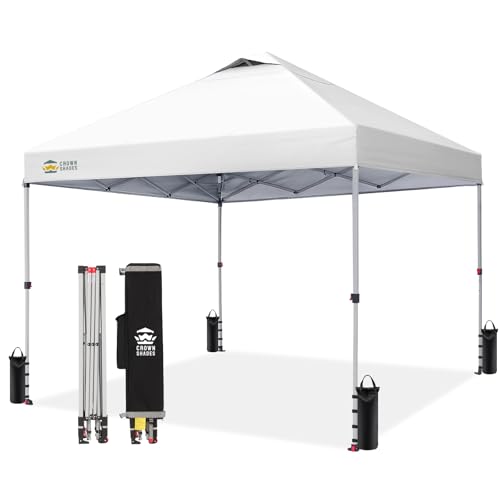
Also known as instant canopies or retractable canopies, these feature a folding frame that expands into a full-size shelter. Entry-level models use basic polyester tops, while mid-range and premium versions offer UV-blocking fabric, wind vents, and wheeled carry bags. Ideal for tailgating, campsites, and market stalls.
Beach Shelters
Lightweight and highly portable, beach shelters are designed to handle sand and wind. Many use fiberglass or aluminum poles with sand pockets or stakes. Premium beach shelters include extended floors and privacy panels. They pack small enough to fit in a daypack.
Sun Shade Tents
A sun shelter often resembles a tent without walls, providing overhead protection while allowing airflow. Some models, like the pop-up beach tent sun shade shelter, combine a canopy with a semi-enclosed design for added wind protection.
Gazebo Shades
Gazebo shades offer a more permanent feel with rigid or semi-rigid frames. They often include mesh walls to keep insects out. A screen gazebo is a popular choice for camping and backyard dining, providing both shade and bug protection.
Deck & Patio Sunshades
For home use, a deck sunshade or canopy deck extends your outdoor living space. These are typically larger and heavier than camping models but offer superior coverage and durability.
Specialty Shelters
For events and large gatherings, events tents and large tarps provide expansive coverage. A picnic tent is a classic choice for family reunions, while a 10 x 10 canopy tent with sides offers versatility for various weather conditions.
Key Features to Compare Before Buying
When evaluating portable shade options, focus on these critical factors. Remember that higher-tier products generally offer better materials, easier setup, and greater weather resistance, but the best choice depends on your specific use case.
| Feature | Entry-Level | Mid-Range | Premium |
|---|---|---|---|
| Frame Material | Basic steel or thin aluminum | Reinforced aluminum or powder-coated steel | Heavy-duty aluminum with reinforced joints |
| Fabric | Standard polyester, minimal UV treatment | UV-resistant polyester or oxford cloth | Ripstop fabric with UPF 50+ rating |
| Setup Mechanism | Manual assembly, basic push-pins | Central hub or pull-pin system | One-push or hydraulic assist |
| Portability | Basic carry bag, moderate weight | Wheeled bag, compact fold | Backpack-style bag, lightweight alloys |
| Weather Resistance | Light rain and calm conditions | Moderate wind and rain with stakes | Reinforced for gusty winds and heavy rain |
| Best For | Occasional backyard use | Regular camping and beach trips | Frequent outdoor events and extreme conditions |
How to Get the Most from Your Portable Shade
Proper setup and maintenance significantly extend the life of your shade structure. Follow these practical tips to ensure safety and performance.
- Anchor properly: Always use stakes, sandbags, or guy lines. A sudden gust can turn an unsecured canopy into a dangerous projectile. For beach use, fill sand pockets or bury the legs.
- Orient for wind: Position the lowest side of the canopy against the prevailing wind to reduce lift. Many premium models include wind vents that help stabilize the structure.
- Practice setup at home: Before your trip, assemble your shelter in your yard. This ensures you have all parts and understand the mechanism, which is especially important for pop-up tents for cold and rainy weather.
- Clean and dry before storage: Dirt and moisture degrade fabric and cause mold. Wipe down with a mild soap solution and allow to dry completely before packing away.
- Check local regulations: Some campgrounds and parks have restrictions on stakes or freestanding structures. Review campground vs wild camping rules before you go.
Matching Shade to Your Adventure
Different activities demand different shade solutions. Here is a quick guide to help you decide.
Camping & Basecamp
For car camping and basecamp setups, a shade canopy or screen gazebo provides a comfortable communal area. If you need sleeping quarters with sun protection, consider a large tent or big tents with UV-resistant flys.
Beach & Lake Days
A dedicated beach shelter or sun shelter is essential. These are designed to handle sand and wind. For a compact option that fits in a suitcase, look at a pop-up beach tent that fits in a suitcase.
Events & Parties
For larger gatherings, an events tent or a 10 x 10 canopy tent with sides offers ample coverage. A picnic tent is a classic, affordable choice for family reunions.
Backyard & Deck
For permanent or semi-permanent home shade, a deck sunshade or canopy deck extends your living space. These are generally more substantial and not designed for frequent transport.
Frequently Asked Questions About Portable Shade
What is the best material for portable shade?
Polyester and oxford cloth are the most common fabrics. Look for a UPF (Ultraviolet Protection Factor) rating of 50+ for maximum sun blocking. Premium models often use ripstop fabric for tear resistance. The frame material is equally important—aluminum is lighter, while steel is more durable but heavier.
Can I use a portable shade in windy conditions?
Yes, but with caution. Always anchor your shelter with stakes or sandbags. Many mid-range and premium models include wind vents to reduce lift. If winds are forecast to exceed 20 mph, it is safer to take down your shade to prevent damage or injury. For camping in exposed areas, consider a tarp tent or a low-profile sun shelter.
How do I clean and store my portable shade?
Clean the fabric with a mild soap and water solution, then rinse thoroughly. Allow it to dry completely in the sun before folding. Store in a cool, dry place. Never store a damp canopy, as this promotes mold and mildew. For frame maintenance, wipe down metal parts with a dry cloth to prevent rust.
What is the difference between a canopy and a gazebo?
A canopy typically refers to a simple overhead cover with four legs, often open on all sides. A gazebo usually has a more rigid frame and may include mesh walls or solid panels. A screen gazebo is a popular hybrid that provides shade and insect protection.
Are portable shades worth it for occasional use?
Absolutely. Even entry-level portable shades provide significant comfort and sun protection. If you only need shade a few times a year, a budget-friendly pop-up canopy or beach shelter is a worthwhile investment. For frequent users, upgrading to a mid-range or premium model offers better durability and ease of use.
Continue Exploring: Now that you understand portable shade, dive deeper into specific shelter types. Learn about tarp tents, winter tents, and waterproof tents to build a complete outdoor shelter strategy. For those interested in glamping, explore luxury tents and glamping domes.