
Hanging Tent: The Ultimate Guide to Tree Camping & Suspended Shelters
Experience the freedom of aerial camping. Learn how to choose, set up, and safely sleep in a hanging tent suspended between trees.
START EXPLORINGCampLifeEssentials Philosophy: A hanging tent isn't just a shelter—it's a perspective shift. By lifting you off the ground, it opens up a world of camping possibilities, from uneven slopes to damp forests, all while offering a comfortable, nest-like sleep.
What Is a Hanging Tent and Why Choose One?
A hanging tent, also known as a tree tent or suspended tent, is a specialized shelter designed to be suspended above the ground between sturdy anchor points, typically trees. Unlike traditional ground tents, it utilizes a system of ratchets and heavy-duty straps to create a taut, hammock-like sleeping platform. This unique design offers a range of benefits that are particularly appealing to adventurous campers and those seeking a more comfortable outdoor experience.
The primary appeal of a hanging tent lies in its ability to isolate you from the ground. This means you can camp on rocky, uneven, or sloping terrain that would be impossible for a standard tent. It also provides a significant advantage in wet conditions, keeping you elevated and dry above damp ground, puddles, and morning dew. Furthermore, the elevated position offers a sense of security from ground-dwelling insects and small animals, and provides a unique vantage point to enjoy nature.
For those who find traditional ground sleeping uncomfortable, a hanging tent can be a game-changer. The suspended design cradles the body, distributing weight evenly and often alleviating pressure points. If you are exploring options for a tent vs hammock comparison, a hanging tent effectively combines the best of both worlds: the enclosed, bug-protected space of a tent with the comfortable, off-ground sleeping of a hammock. Its design also makes it a compelling alternative to a roof tent for those who prefer a more immersed-in-nature feel without the need for a vehicle.
Key Features & Considerations for Your Hanging Tent
Before you decide on a hanging tent, it's important to understand the features that define quality and performance. These shelters are technical pieces of gear, and the details matter for safety, comfort, and durability.
Suspension System
The heart of any hanging tent is its suspension system. Look for models that use a ratchet and strap mechanism. The straps should be wide, durable, and tree-friendly to prevent damage to bark. The ratchets should be robust, easy to operate, and have a secure locking mechanism. The number of anchor points (typically two or three) affects stability; three-point systems often provide a more secure and level sleeping platform.
Capacity & Weight Limit
Hanging tents are rated by weight capacity, which includes the weight of the occupants and their gear. It is crucial to never exceed this limit. Entry-level models often have a lower capacity, while premium models are engineered to hold multiple adults and gear. Always check the manufacturer's specifications. For a solo camper, a lightweight model might be sufficient, but for a couple, a larger, higher-capacity tent is a must.
Materials & Weather Protection
The best hanging tents use ripstop nylon or polyester with a high waterproof rating (e.g., 3000mm+ for the fly). The floor should be durable and puncture-resistant. Look for taped seams, which prevent water leakage. A full-coverage rainfly is essential for protection against wind and rain. Insect mesh is also critical, providing ventilation while keeping bugs out. For colder conditions, some models are designed to be compatible with insulation or even a small stove, similar to a hot tent camping setup.
Ease of Setup
Setting up a hanging tent can be more involved than pitching a ground tent. The learning curve involves finding appropriate trees, learning to use the ratchets, and getting the tension right. While it may take a few attempts to master, the process becomes quick and intuitive. Some models are designed to be more user-friendly, making them easiest tent to set up and take down in the suspended category. Always practice setting it up at home or in a local park before your trip.
Hanging Tent vs. Traditional Camping Options
To help you decide if a hanging tent is right for you, here is a comparison with other popular camping shelter types.
| Feature | Hanging Tent | Ground Tent | Hammock Tent |
|---|---|---|---|
| Terrain | Can be used on any terrain as long as trees/anchors exist. | Requires flat, even ground. | Requires two trees. |
| Comfort | Excellent; suspended, cradle-like feel. | Depends on sleeping pad; can have pressure points. | Good; but can be curved and restricting. |
| Weather Protection | Excellent; off the ground, with a full rainfly. | Good; can be susceptible to flooding. | Good; requires a separate tarp for full coverage. |
| Setup Difficulty | Moderate; requires practice and suitable trees. | Easy; straightforward pitching. | Easy to moderate; depends on suspension system. |
| Space & Storage | Limited internal space; gear storage pockets are essential. | Varies by size; ample floor space. | Very limited; gear is often stored outside or in a separate hammock. |
| Best For | Adventure campers, uneven terrain, wet environments, comfort seekers. | Family camping, basecamps, sites with established pads. | Minimalist backpackers, solo campers, fair weather. |
How to Choose the Right Hanging Tent for Your Needs
Selecting the perfect hanging tent involves balancing your needs for capacity, portability, and features. Consider the following factors to make an informed decision.
1. Capacity and Occupancy: Are you camping solo, with a partner, or as a family? Hanging tents are typically rated for one to three people. For solo adventures, a one-person model is lightweight and easy to handle. For two people, look for a two-person model that offers enough shoulder room. If you are camping with kids, ensure the tent's weight capacity safely accommodates everyone. Remember that a hanging tent is a shared space, so consider how much room you and your gear need.
2. Portability and Weight: If you plan to hike to your campsite, the weight and packed size of the tent are critical. A lightest swag or a dedicated backpacking hanging tent will be your best bet. These models use lightweight fabrics and minimalist suspension systems. However, they may have a lower weight capacity and fewer features. For car camping or short hikes, a slightly heavier, more feature-rich model is a great choice. Always check the packed weight and dimensions before buying.
3. Weather Resistance: The weather conditions you expect to encounter will dictate the necessary features. For three-season camping, a standard hanging tent with a good rainfly is sufficient. If you plan to camp in winter, you'll need a model designed for cold weather, possibly with insulation or compatibility with a winter tent setup. A high hydrostatic head rating on the fly and floor is essential for heavy rain. Good ventilation is also key to prevent condensation, which can make you cold and damp.
4. Ease of Setup and Suspension System: The suspension system is a major differentiator. Some use a simple two-strap system, while others use a more complex three-point system for greater stability. A three-point system is generally easier to level and provides a more solid feel. Ratchets should be smooth and easy to operate. If you are new to hanging tents, look for models known for their user-friendly setup. Reading reviews about the setup process for a specific model can save you a lot of frustration.
5. Quality Tier and Durability: Hanging tents come in various quality tiers. Entry-level models are a great way to try out tree camping, but they may use heavier materials and have a lower weight capacity. Mid-range models offer a good balance of weight, durability, and features. Premium and luxury models are engineered with high-end materials, advanced suspension systems, and often a higher weight capacity, making them suitable for frequent use and serious expeditions. When considering are expensive tents worth it, for hanging tents, the answer is often yes, due to the critical nature of the suspension system and materials for safety and comfort.
Essential Safety and Setup Tips for Tree Camping
Safety is paramount when you are sleeping suspended in the air. Following these guidelines will ensure a secure and enjoyable experience.
⚠️ Safety First: Always inspect your hanging tent and its suspension system for signs of wear, fraying, or damage before every trip. Never use a damaged tent. Always follow the manufacturer's weight limits and setup instructions.
Choosing the Right Trees: Select healthy, living trees with a trunk diameter of at least 12 inches (30 cm). Avoid trees with dead branches, cracks, or signs of disease. Look for a pair of trees that are the correct distance apart for your specific tent model (usually specified by the manufacturer). Avoid using the same trees repeatedly to prevent long-term damage.
Proper Strapping: Use the tree-friendly straps provided with your tent. Wrap them around the tree trunk at a height that will allow you to get in and out comfortably, typically around chest height. Never use chains, thin ropes, or wire, as these can cut into and kill the tree. The straps should be positioned to avoid damaging the bark.
Mastering the Ratchet System: The ratchet is what creates the tension. Thread the strap through the ratchet correctly according to the instructions. Crank the ratchet until the tent platform is taut and level. It should not sag excessively. A properly tensioned tent will feel firm and stable. When taking it down, release the ratchet slowly and carefully to avoid sudden snaps. If you are camping in an area with campfire regulations, be mindful of fire safety and keep flames away from the tent materials.
Entering and Exiting: Use the provided ladder or a sturdy, safe method to enter and exit the tent. Never jump into or out of a hanging tent. Distribute your weight evenly as you get in to prevent tipping. Once inside, secure the entrance to keep insects out.
Weather Awareness: While hanging tents are excellent in wet conditions, be aware of high winds. If strong winds are forecast, it may be safer to choose a more sheltered location or a different type of shelter. Always check the camping weather alerts before you head out.
Frequently Asked Questions About Hanging Tents
A hanging tent, also known as a tree tent or suspended tent, is a shelter designed to be suspended above the ground between trees or other anchor points using a system of straps and ratchets. It offers a unique camping experience, keeping you off the ground and away from uneven terrain, moisture, and ground-dwelling insects.
Yes, when used correctly. Hanging tents from reputable brands are engineered to hold significant weight and are tested for safety. The key is to follow the manufacturer's instructions for setup, use healthy and strong trees, and regularly inspect your suspension system for wear and tear.
Many campers find them extremely comfortable. The suspended design gently cradles the body and can alleviate pressure points often caused by sleeping on hard ground. However, some people may need a night or two to adjust to the slight sway and the feeling of floating.
When used with proper tree-friendly straps (wide, flat webbing), a hanging tent does not harm the trees. These straps distribute the weight over a larger area, preventing damage to the bark and cambium layer. Avoid using thin ropes or chains that can cut into the tree.
Yes, but you need to be prepared. You will need a hanging tent designed for cold weather or use a model compatible with insulation. You'll also need a winter-rated sleeping bag, like those found in our winter sleeping bags guide, and a good sleeping pad. Proper layering, as discussed in our layering clothing winter guide, is also essential.
Recommended Hanging Tents & Suspension Gear
⚠️ AFFILIATE DISCLOSURE: This website contains affiliate links. As an Amazon Associate, we earn from qualifying purchases. If you make a purchase through these links, we may receive a small commission at no additional cost to you. Read our full affiliate policy.

AthLike Hanging Tree Tent for Kid, Indoor Outdoor Hanging Tent, 330lbs

Tent Swing Set for Kids, Hammock Chair with X-Shaped Stand, 330 lbs

AthLike X-Shaped Hanging Tree Tent W/Swing Chair,Hammock Chair W/Stand

LOAOL Bed Canopy with Pom Pom Kids Reading Nook Hanging Tent (White)

Tent Swing Set for Kids, Hammock Chair with X-Shaped Stand, 330 lbs
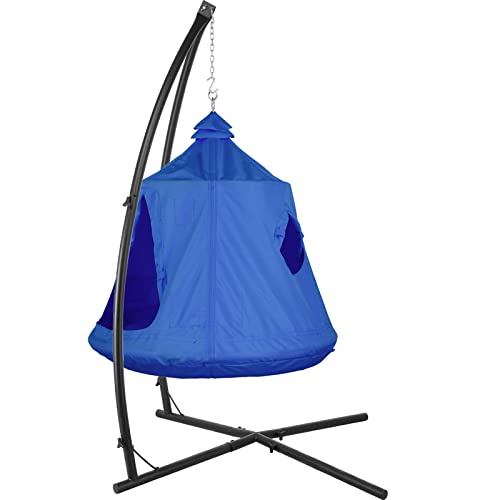
AthLike X-Shaped Hanging Tree Tent W/Swing Chair,Hammock Chair W/Stand

AthLike X-Shaped Hanging Tree Tent W/Swing Chair,Hammock Chair W/Stand

OUTREE Kids Pod Swing Seat, Cotton Sensory Swing for Indoor and Outdoor
Disclaimer
Outdoor activities involve inherent risks. The information provided on CampLifeEssentials is for educational purposes only. We are not responsible for any injuries, losses, or damages resulting from the use of this information. Some content may use AI assistance. Always practice Leave No Trace principles and verify local regulations before camping. If you do not agree, please do not use this website. Read the full disclaimer.