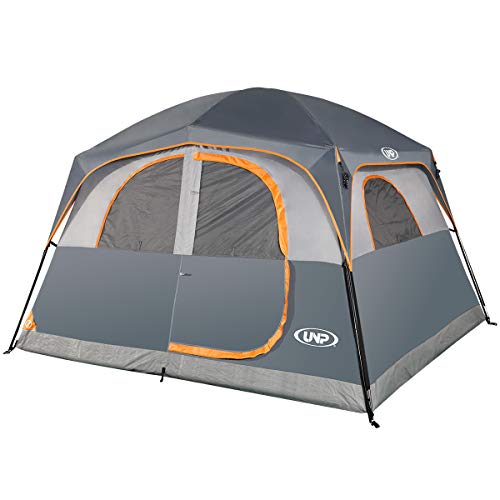
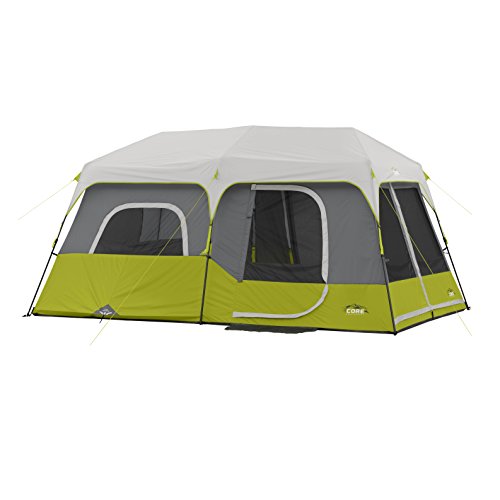
Waterproof Tents: Stay Dry in Any Downpour
Master the art of rainproof camping with our complete guide to waterproof tent technology, fabric ratings, seam construction, and smart setup techniques that keep you dry when the weather turns.
Why Waterproofing Matters: A tent's ability to shed water is the single most important factor in whether your camping trip becomes a cherished memory or a soggy disaster. This guide breaks down the science of waterproof tents so you can choose with confidence and camp dry season after season.
Understanding Tent Waterproofing: More Than Just a Coating
When campers search for a dependable shelter, the term "waterproof tent" gets thrown around loosely. The reality is that waterproofing is a system of several components working together: fabric type, coating, seam construction, and structural design. Understanding these elements transforms you from a passive buyer into an informed decision-maker who can evaluate any tent on the market.
The most common fabrics used in tent manufacturing are polyester and nylon. Both have inherent water resistance, but the real protection comes from the coatings applied to them. Polyurethane (PU) and silicone coatings are the industry standard, with silicone typically offering greater durability and UV resistance over time. For a deeper dive into fabric choices, see our comparison of nylon vs polyester for tents.
Hydrostatic Head: The Measurement That Matters
The hydrostatic head (HH) rating is the universal metric for waterproofness. It measures how tall a column of water a fabric can support before water begins to seep through. A tent floor rated at 3,000mm handles steady rain and minor pooling. A fly rated at 1,500mm–2,000mm is generally sufficient for vertical rain, but for sustained storms or wind-driven rain, look for 3,000mm or higher on both the fly and floor.
Quick Reference: Entry-level tents often carry a 1,000mm–1,500mm rating, mid-range models sit between 2,000mm–3,000mm, and premium expedition tents frequently exceed 5,000mm on critical surfaces.
Seam Sealing: The Weakest Link
Even the most waterproof fabric fails at the seams if they are not properly sealed. Stitching creates thousands of tiny holes where water can wick through. Manufacturers address this with factory-applied seam tape, a heat-bonded strip that covers the stitching. Some budget-friendly tents require you to apply seam sealer yourself. Always check whether seams are taped or require aftermarket treatment, as this dramatically affects long-term performance.
Key Features of a Truly Waterproof Tent
Beyond fabric ratings, several design features determine how well a tent performs in wet conditions. These are the details that separate a tent that merely survives rain from one that keeps you completely dry and comfortable.
Full-Coverage Rainfly
A rainfly that extends all the way to the ground protects the tent body and prevents wind-driven rain from reaching the inner walls. Partial rainflies are lighter but leave vulnerable zones.
Bathtub Floor
Floors with raised edges that curve upward like a bathtub prevent ground water from seeping in through the sides. The higher the lip, the better the protection in pooling conditions.
Ventilation and Condensation Control
Waterproof tents trap moisture from breathing and damp gear. Mesh panels, roof vents, and dual-layer construction allow humidity to escape without letting rain in.
Waterproof Zippers
Standard zippers are a common leak point. Look for zippers with storm flaps or water-resistant coatings to prevent drips from entering through doorways and windows.
Reinforced Guy-Out Points
Strong anchor points allow you to pitch the tent taut, preventing sagging fabric that can pool water. Reinforced stitching at these stress points extends the tent's lifespan.
Vestibule Space
A covered vestibule provides a dry zone for removing wet gear before entering the sleeping area, keeping the interior dry and organized.
Types of Waterproof Tents by Use Case
Different camping styles demand different waterproofing priorities. A backpacker needs lightweight protection that packs small, while a family car camper prioritizes spaciousness and rugged weather resistance. Understanding these trade-offs helps you match the tent to your adventure.
Backpacking and Ultralight Tents
These tents prioritize low weight, often using silicone-treated fabrics and minimalist designs. A quality backpacking tent sheds rain effectively but may offer less interior volume. If you are building a lightweight kit, explore our guide to light backpacking essentials and ultralight outdoor gear.
Family and Car Camping Tents
Spacious cabin and dome tents often feature robust waterproofing because weight is less of a concern. Look for models with full rainflies, bathtub floors, and room dividers. Our camping tents you can stand up in guide covers options that combine comfort with weather protection.
Four-Season and Expedition Tents
Built for extreme conditions, these tents use heavy-duty fabrics, multiple poles for structural integrity, and often include stove jacks for heating. They are the gold standard for winter camping and high-altitude expeditions. See our 4-season tent with stove jack recommendations for serious cold-weather adventures.
Pop-Up and Instant Tents
Convenience-focused tents have improved dramatically in waterproofing. Modern pop-up tents for camping often include pre-attached rainflies and sealed seams, making them viable for unpredictable weather.
Choosing the Right Tier for Your Needs
Waterproof tents span a wide spectrum of quality and capability. Rather than focusing on price points, consider the tier of construction and materials that matches your camping frequency and expected conditions.
| Tier | Typical Features | Best For |
|---|---|---|
| Entry-Level | 1,000mm–1,500mm HH, basic rainfly, some seams may require sealing, simpler pole structures | Occasional camping in mild climates, backyard adventures, fair-weather trips |
| Mid-Range | 2,000mm–3,000mm HH, fully taped seams, full-coverage rainfly, quality zippers, good ventilation | Regular weekend campers, three-season use, areas with moderate rainfall |
| Premium | 3,000mm–5,000mm+ HH, silicone-treated fabrics, welded floors, reinforced stress points, superior ventilation | Frequent campers, wet climates, extended trips, demanding conditions |
| Expedition/Luxury | 5,000mm+ HH, four-season rated, multiple poles, stove jacks, exceptional durability and weather resistance | Extreme weather, winter camping, professional expeditions, long-term use |
For a broader perspective on whether higher-tier tents justify their place in your kit, read our analysis of are expensive tents worth it.
Smart Setup Techniques for Rainy Conditions
Even the best waterproof tent can fail if pitched incorrectly. These field-tested techniques maximize your tent's rain-shedding capability and keep you dry when it matters most.
- Choose a elevated site: Avoid depressions where water pools. Look for slightly raised ground with natural drainage.
- Pitch taut: A loose rainfly sags and collects water. Use all guy-out points and adjust tensioners to create a smooth, water-shedding surface.
- Orient the door away from wind: If possible, position the tent so the prevailing wind hits the back wall, not the door.
- Use a footprint or ground tarp: A properly sized footprint protects the floor from abrasion and adds an extra layer of water resistance. Make sure it does not extend beyond the tent edges, or it will channel water underneath.
- Set up in the rain correctly: If you must pitch in a downpour, our guide to setting up a tent in the rain walks you through the process step by step.
- Ventilate properly: Keep vents open even in rain to reduce condensation. Many tents have rain-protected vents designed for this purpose.
Proper maintenance extends waterproofing lifespan. Clean your tent with mild soap after trips, dry it thoroughly before storage, and reapply seam sealer or waterproofing spray as needed. With care, a quality tent can protect you for many seasons.
Frequently Asked Questions About Waterproof Tents
For general three-season camping, a fly rating of 1,500mm–2,000mm and a floor rating of 3,000mm is a solid baseline. If you expect prolonged or wind-driven rain, aim for 3,000mm+ on both surfaces. Expedition tents often exceed 5,000mm for maximum protection.
No. Entry-level tents may have unsealed seams that require you to apply seam sealer. Mid-range and premium tents typically feature factory-taped seams that are waterproof out of the box. Always check the product specifications.
Yes. Over time, coatings wear down and seams can leak. You can clean the tent, apply seam sealer to stitching, and use a spray-on or wash-in waterproofing treatment designed for outdoor fabrics. This can restore performance for several more seasons.
Condensation is caused by moisture from your breath and damp gear trapping inside. Use tents with good ventilation, keep rainfly vents open, avoid cooking inside, and consider a double-wall tent design that separates the inner sleeping area from the waterproof fly.
No. Water-resistant means the fabric slows water penetration but will eventually soak through. Waterproof means the fabric and construction are designed to completely block water under specified conditions. Always prioritize waterproof ratings for reliable rain protection.
For more answers to common camping questions, visit our full camping FAQ.
Ready to Camp Dry?
Now that you understand waterproof tent technology, explore our curated selection of top-rated waterproof tents and rainproof shelters below. Your next adventure deserves reliable protection.