
Festival Tent Guide: Everything You Need for the Perfect Festival Camp
From pop-up designs to large multi-room shelters, discover how to choose a festival tent that keeps you comfortable, dry, and ready to enjoy every moment of the event.
START EXPLORINGWhy a Festival Tent Matters: A music festival is a marathon, not a sprint. Your tent is your sanctuary between sets — it needs to be quick to pitch, tough enough for unpredictable weather, and comfortable enough to recharge. This guide walks you through every decision so you arrive prepared and leave with great memories.
What Is a Festival Tent and Why Does It Matter?
A festival tent is a portable shelter specifically designed for short-term camping at music festivals, cultural events, and multi-day gatherings. Unlike traditional camping tents, festival tents prioritize rapid setup, lightweight portability, and compact packed size — because festival-goers often carry their gear across long distances from parking areas to campsites.
The best festival tents balance three critical factors: speed of assembly, weather protection, and internal comfort. A tent that takes 30 minutes to pitch in the rain will ruin your first day. A tent that leaks during a summer storm will soak your sleeping bag and clothes. And a tent that's too small will make you dread returning to camp each night.
Festival camping differs from traditional campground camping in several key ways. You'll likely be camping in a crowded field with hundreds or thousands of other attendees. Noise levels remain high late into the night. Portable toilets and shower facilities may be limited. And you'll want to spend as little time at your campsite as possible — the action is elsewhere.
This means your festival tent should be a low-maintenance, high-reliability shelter that you can set up quickly, trust completely, and pack away without frustration. Whether you're a first-time festival-goer or a seasoned veteran, the right tent transforms your experience from survival mode to genuine comfort.
If you're new to festival camping entirely, you may want to review our first-time camping tips and a general camping trip planning guide before diving into tent specifics. For those considering alternatives to tent camping, our glamping guide covers more luxurious options.
Types of Festival Tents: Which Style Suits You?
Festival tents come in several distinct styles, each with unique advantages and trade-offs. Understanding these categories helps you match your tent to your festival priorities — whether that's speed, space, or durability.
Pop-Up Festival Tents
These tents use pre-assembled poles and a spring-loaded mechanism to "pop" into shape in seconds. They're the fastest option available and ideal for festivals where you arrive tired and want to set up immediately. The main trade-off is packed size — pop-up tents fold into large flat discs that can be awkward to carry. They're generally entry-level to mid-range in terms of weather resistance.
Explore Pop-Up Options →Dome Festival Tents
Classic dome tents use two or more flexible poles that cross at the top, creating a stable, wind-resistant structure. They offer an excellent balance of setup speed, packed size, and weather protection. Most dome tents for festivals are mid-range in quality — durable enough for a weekend event but not designed for extreme conditions. Their symmetrical shape sheds rain well and handles moderate wind.
Learn About Dome Camping →Cabin Festival Tents
Cabin tents have near-vertical walls and a rectangular footprint, maximizing interior space. They're ideal if you want to stand up, use cots, or accommodate multiple people comfortably. Setup is slightly more involved than pop-up or dome styles, but the livability is unmatched. Premium cabin tents may include room dividers, screen porches, and electrical ports.
View Large Tent Options →Blackout Festival Tents
Blackout tents use dark, light-blocking fabric to reduce interior brightness and heat. If you plan to sleep past sunrise after late-night sets, a blackout tent is a game-changer. These tents are typically mid-range to premium and often include additional ventilation features to prevent stuffiness. They're especially valuable at summer festivals where the sun turns ordinary tents into saunas by 7 AM.
See Blackout Tents →Multi-Room Festival Tents
These larger tents feature dividers or separate sleeping compartments, making them ideal for groups, families, or couples who want privacy. Multi-room tents are generally premium in terms of size and features, though they take longer to set up and require more space at the campsite. They're best suited for festivals where you have a designated camping area and don't need to move frequently.
Explore Multi-Room Tents →Festival Tents with Porches or Awnings
A porch or awning extends your usable space, giving you a covered area for shoes, gear, or sitting outside without being fully exposed. This feature is common on mid-range and premium festival tents. It's particularly useful in rainy conditions — you can remove muddy boots in the porch area before entering your sleeping space.
Tents with Porches →Key Features to Look For in a Festival Tent
Not all festival tents are created equal. The following features separate a tent that merely survives the weekend from one that genuinely enhances your festival experience.
Setup Speed and Simplicity
At a festival, you're often pitching your tent in a crowded field, possibly in fading light, and almost certainly while carrying all your gear. Setup speed is paramount. Pop-up tents win here, but modern dome and cabin tents with color-coded poles and clip-on attachments can be nearly as fast. Avoid tents with complex pole sleeves or ambiguous instructions — you'll regret it when you're tired and impatient.
Weather Resistance and Durability
Festival weather is notoriously unpredictable. A hot, sunny day can turn into a violent thunderstorm within hours. Your tent needs a waterproof rainfly, taped or sealed seams, and a bathtub-style floor that prevents ground moisture from seeping in. Look for tents with a hydrostatic head rating of at least 1,500mm for the rainfly and 2,000mm for the floor. If you're attending a festival in a rainy region, consider a tent with a full-coverage rainfly and vestibule.
For more on weatherproofing, see our guides on waterproof tents and camping in a tent in the rain.
Ventilation and Breathability
Condensation is the silent enemy of festival campers. When you sleep in a tent, your body releases moisture through breathing and perspiration. Without proper ventilation, that moisture condenses on the inside of the tent walls and rains down on you by morning. Look for tents with mesh panels, roof vents, and multiple door options that allow cross-ventilation. A tent that's waterproof but not breathable will leave you damp and uncomfortable.
Size and Capacity
Tent capacity ratings are based on the number of people who can sleep side-by-side in sleeping bags with no gear. In reality, you'll want a tent rated for at least one more person than your group size. A "2-person" tent is comfortable for one person with gear. A "4-person" tent works well for two people with festival supplies. If you're bringing chairs, coolers, or large backpacks, size up accordingly.
For detailed guidance, read our how to choose tent size article.
Weight and Packed Size
Festival tents range from ultralight backpacking models to heavy car-camping behemoths. If you're parking near the campsite, weight matters less. If you're taking a shuttle or walking a long distance, every pound counts. Consider how you'll transport your tent and gear from your vehicle to the campsite. A lightweight tent that fits in a backpack is far easier to manage than a bulky cabin tent that requires two people to carry.
Extra Features Worth Considering
Modern festival tents may include:
- Blackout fabric — blocks sunlight for better sleep
- Built-in LED lights — eliminates the need for separate lanterns
- Electrical access ports — for charging devices
- Room dividers — for privacy in group tents
- Screen rooms — for bug-free lounging
- Storage pockets — for keeping small items organized
For technology-related festival gear, explore our camping technology section and camping power banks guide.
Festival Tent Comparison: Matching Features to Needs
The table below compares common festival tent types across key criteria. Use this as a quick reference when narrowing down your options.
| Tent Type | Setup Speed | Weather Resistance | Space Efficiency | Portability | Ideal For |
|---|---|---|---|---|---|
| Pop-Up | Fastest (seconds) | Entry-level | Good | Bulky packed size | Solo campers, quick trips |
| Dome | Fast (2–5 min) | Mid-range | Good | Compact | Couples, small groups |
| Cabin | Moderate (5–10 min) | Mid to premium | Excellent | Heavier | Groups, families, comfort seekers |
| Blackout | Moderate (5–10 min) | Mid to premium | Good | Moderate | Late sleepers, hot climates |
| Multi-Room | Slower (10–20 min) | Premium | Excellent | Bulky | Large groups, families |
How to Choose the Right Festival Tent
With so many options available, narrowing down your choice can feel overwhelming. Follow this step-by-step approach to make a confident decision.
Step 1: Define Your Group Size
Count the number of people who will sleep in the tent. Add one to that number for gear storage. If you're bringing a lot of equipment, add two. For example, two people with backpacks and coolers should look at a 4-person tent. A family of four should consider a 6-person tent.
Step 2: Assess the Weather Forecast
Check historical weather patterns for your festival dates and location. If rain is likely, prioritize a tent with a full-coverage rainfly and sealed seams. If heat is the concern, focus on ventilation and consider a blackout tent. If wind is common, choose a low-profile dome tent with sturdy poles.
Step 3: Determine Your Setup Priorities
Are you arriving late at night? A pop-up tent is your best friend. Do you want to stand up and move around comfortably? A cabin tent is worth the extra setup time. Are you carrying your gear a long distance? Prioritize lightweight and compact packed size.
Step 4: Consider Longevity and Reusability
Are you attending one festival or several this season? A budget-friendly pop-up tent may suffice for a single event. If you plan to festival-hop or camp regularly, invest in a mid-range or premium tent that will last multiple seasons. Our article on how long do tents last provides helpful context on durability.
Step 5: Read Reviews and Compare
Before committing, read reviews from other festival-goers. Pay attention to comments about setup difficulty, weather performance, and durability. Look for patterns — if multiple reviewers mention leaking seams or broken poles, consider a different model.
Setting Up Your Festival Tent: Tips for Success
Even the best tent can be a nightmare if you set it up incorrectly. Follow these practical tips to ensure a smooth, stress-free setup.
Practice Before You Go
Set up your tent at home at least once before the festival. This accomplishes two things: it confirms all parts are present, and it familiarizes you with the process. You'll be amazed how much faster you are the second time.
Choose Your Spot Wisely
Arrive early to secure a good campsite. Look for level ground, avoid low spots where water might pool, and stay away from walkways where people will trip over your guylines. If possible, position your tent so the door faces away from the prevailing wind.
Use a Footprint or Ground Tarp
A footprint protects your tent floor from abrasion, punctures, and ground moisture. It also makes cleanup easier. If you don't have a manufacturer-specific footprint, a simple tarp cut slightly smaller than your tent floor works well.
Stake Everything Down
Even in calm weather, stake down your tent and guylines. Festival fields can become windy quickly, and an unsecured tent can tumble away or collapse. Use all available stake points and tension guylines properly.
Organize Your Gear Inside
Keep your sleeping area separate from your storage area. Use stuff sacks or packing cubes to organize clothes and supplies. Keep a small headlamp or lantern accessible for nighttime bathroom trips. Our camping headlamp guide covers lighting options.
Prepare for Rain
If rain is forecast, ensure your rainfly is properly secured and all seams are sealed. Keep your gear inside the tent or under a vestibule. Avoid touching the tent walls when wet — this can cause leaks. For more details, read set up a tent in the rain.
Maintaining Your Festival Tent for Years of Use
A well-cared-for tent can last many festival seasons. Follow these maintenance practices to extend its lifespan.
Clean Before Storing
After each festival, set up your tent at home and wipe down the interior and exterior with a damp cloth. Remove any mud, dust, or debris. Allow it to dry completely before packing — storing a damp tent leads to mold and mildew.
Repair Minor Damage Promptly
Small tears, broken zippers, and bent poles can often be repaired with tent repair kits. Addressing these issues early prevents them from becoming major problems. Carry a basic repair kit with you to festivals.
Store Properly
Store your tent loosely rolled or folded in a cool, dry place. Avoid compressing it tightly for long periods, as this can damage waterproof coatings and pole elasticity. Keep it away from direct sunlight and extreme temperatures.
Re-Waterproof Periodically
Over time, waterproof coatings degrade. Re-apply a waterproofing spray or wash-in treatment every few seasons to maintain water resistance. Our waterproof tents guide includes product recommendations and application tips.
Frequently Asked Questions About Festival Tents
Related Guides and Resources
Explore more of our camping and outdoor guides to prepare for your next adventure:
- Large Tent Options for Group Camping
- Big Tents for Family Festivals
- Huge Tents for Events and Gatherings
- Events Tent Guide
- Large Tarp Shelters for Festivals
- Screen Gazebo for Bug-Free Lounging
- Beach Shelters for Outdoor Events
- Retractable Canopies for Festivals
- Shade Canopy Options
- Sun Shelters for Hot Festivals
- Portable Shade Solutions
- Gazebo Shades for Group Camping
- Waterproof Tents for Rainy Festivals
- Blackout Pop-Up Tents for Better Sleep
- Pop-Up Tents for Car Camping
- Camping Headlamps for Nighttime Navigation
- Camping Power Banks for Device Charging
- Camping Technology for Modern Campers
- First-Time Camping Tips
- How to Choose Tent Size
- How Long Do Tents Last?
- Setting Up a Tent on the Beach
- Camping with Dogs
- Camping Foods for Festivals
- Camping Snacks for Energy
- Camping Lunches for Day Events
Recommended Festival Tents & Gear
⚠️ AFFILIATE DISCLOSURE: This website contains affiliate links. As an Amazon Associate, we earn from qualifying purchases. If you make a purchase through these links, we may receive a small commission at no additional cost to you. Read our full affiliate policy.

Vinabilia 10x10 Pop Up Canopy Tent with One-Push Center Lock,White | 3 Adjustable Heights, Carry Bag Included, Tents for Camping, Backyard, Beach, Parties and Outdoor Events
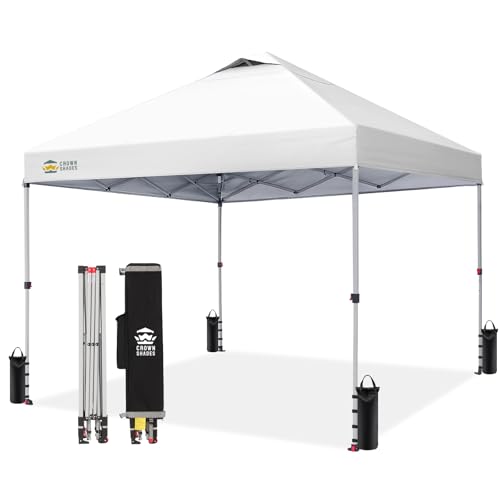
CROWN SHADES 10x10 Pop Up Canopy Tent with One Push Setup, Grid White | Patented CenterLok, Easy Outdoor Sun Shade for Events, Parties, Camping - Gazebo with STO-N-Go Cover Bag, Silver-Coated Top
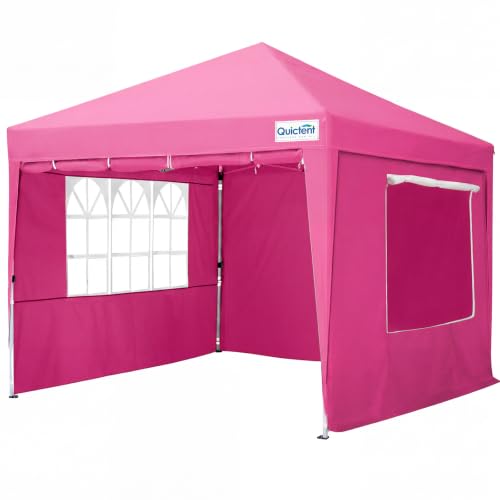
Quictent Pop up Canopy Tent 10'x10' with 4 Detachable Window Sidewalls | One Person Easy Setup, Waterproof Outdoor Portable Vendor Event Tent Shelter Enclosed, Wheeled Bag Included

Raynesys 10x10ft Pop Up Canopy Tent with Sidewalls for Events, Parties | 10 Person Party Tent One Push Setup, Portable Gazebo Outdoor Sun Shade, Silver Coated Top, White
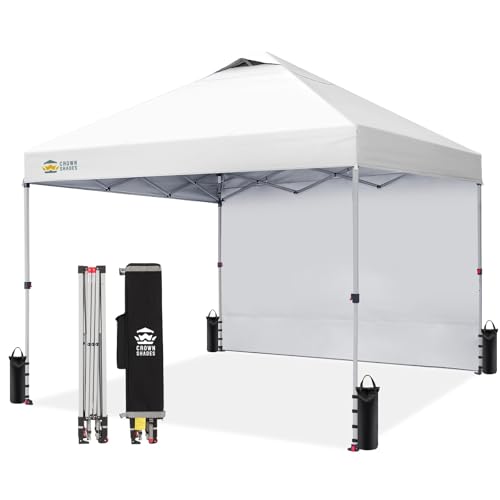
CROWN SHADES 10x10 Pop Up Canopy with 1 Side Wall, Beach Canopy Tent, White | One Push Setup Shelter, Outdoor Gazebo & Sun Shade for Events, Parties, Camping, 150D Silver-Coated Fabric, STO-N-Go Bag
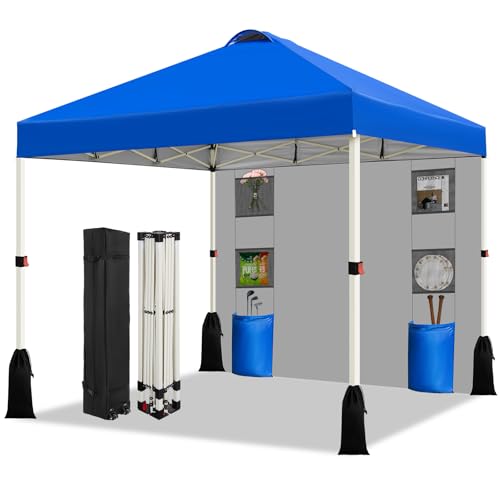
WEIZE 10x10 Pop Up Canopy Tent, 1-Button Push Setup Canopy Tent with 1 Sidewall, Adjustable Height Instant Portable Shelter,Portable Roller Bag, Easy Outdoor Sun Shade for Events,4 Weight Bags,Blue

Oneofics 10x10FT Slant Leg Pop Up Canopy Tent, Portable Outdoor Shelter | 10x10FT Base 8x8FT Top, Adjustable Heights, Instant Shelter with Carrying Bag for Patio Deck Garden and Beach
