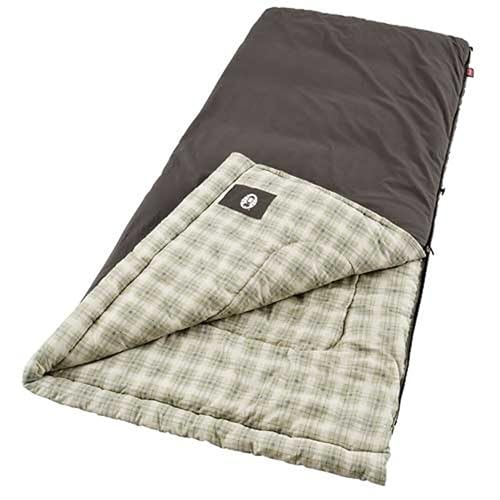
Lightweight Sleeping Gear: Sleep Better, Carry Less
Master the art of ultralight sleeping. From down quilts to inflatable pads, discover the gear that keeps you warm without weighing you down.
EXPLORE LIGHTWEIGHT GEARWhy Lightweight Sleeping Matters: Every ounce in your backpack adds up. A lighter sleep system means less fatigue on the trail, faster hiking times, and more energy to enjoy the outdoors. But cutting weight should never compromise warmth or comfort—it's about smart material choices and efficient design.
Understanding Lightweight Sleeping Systems
A complete lightweight sleeping system consists of three core components: the sleeping bag or quilt, the sleeping pad, and the pillow. Each element works together to keep you warm, comfortable, and well-rested after a long day on the trail. The key to going lightweight is understanding how these components interact and where you can safely reduce weight without sacrificing performance.
Traditional camping sleeping bags are often bulky and heavy, designed for car camping where weight doesn't matter. For backpacking, you'll want to look at light backpacking principles, which prioritize items that pack small and weigh little. This doesn't mean you have to sacrifice warmth—modern materials like high-fill-power down and synthetic insulation offer excellent warmth-to-weight ratios.
The sleeping pad is equally important, as it provides insulation from the cold ground and cushioning for a good night's sleep. Without adequate ground insulation, even the warmest sleeping bag won't keep you comfortable. When choosing a pad, consider the R-value (insulation rating), weight, and packed size. For more on matching your bag to temperature conditions, see the sleeping bag temperature guide.
Sleeping Bags vs. Quilts: Which Is Right for You?
One of the biggest decisions in building a lightweight sleep system is choosing between a traditional mummy bag and a backpacking quilt. Both have passionate advocates, and the right choice depends on your sleeping style, the conditions you'll face, and your personal comfort preferences.
Mummy Sleeping Bags: These are the classic choice for backpacking. They feature a hood, a tapered shape that hugs your body, and often a draft collar to seal in warmth. The enclosed design makes them efficient at trapping heat, especially in colder temperatures. However, the constrictive shape can feel claustrophobic for some sleepers, and the hood and zipper add weight.
Backpacking Quilts: Quilts have gained massive popularity among ultralight enthusiasts. They lack a hood and often have an open back, relying on your sleeping pad's attachment system to stay in place. By eliminating the hood and back insulation (which gets compressed under your body anyway), quilts save significant weight. They also offer more freedom of movement, making them ideal for side sleepers. The trade-off is that they require more careful adjustment to prevent drafts.
For those who prioritize maximum weight savings and sleep warm, a quilt is often the best choice. If you sleep cold or camp in wet, humid conditions where down might struggle, a synthetic-insulated bag might be more reliable. Consider your camping trip conditions and typical weather before deciding.
Choosing a Lightweight Sleeping Pad
Your sleeping pad does two critical jobs: it cushions your body against hard ground and insulates you from the cold. The ground can pull heat away from your body far faster than air, so a good pad is non-negotiable for a comfortable night's sleep.
There are three main types of lightweight sleeping pads: air pads, self-inflating pads, and closed-cell foam pads. Air pads offer the best comfort-to-weight ratio and pack down incredibly small, but they can be punctured and require inflation. Self-inflating pads combine foam and air for a balance of comfort and durability. Closed-cell foam pads are virtually indestructible and lightweight, but bulkier and less comfortable.
When evaluating pads, pay close attention to the R-value. This number indicates how well the pad resists heat loss. For three-season backpacking, look for an R-value of at least 2.0 to 3.0. For winter camping or cold sleepers, aim for 4.0 or higher. See the winter sleeping bags guide for cold-weather considerations.
Another consideration is the pad's shape and size. Tapered mummy pads save weight, while rectangular pads offer more room. Some ultralight backpackers use short pads (torso length) combined with their backpack under their legs for insulation, saving even more weight. If you're new to backpacking, the backpacking essentials guide can help you prioritize your gear choices.
Materials and Insulation: Down vs. Synthetic
The insulation in your sleeping bag or quilt is what actually keeps you warm. The two main options are down and synthetic materials, each with distinct advantages.
Down Insulation: Down comes from the undercoating of ducks and geese. It's prized for its incredible warmth-to-weight ratio and compressibility. High fill-power down (800, 850, or 900+) provides more warmth per ounce and packs down smaller than lower fill-power options. However, down loses its insulating ability when wet and takes a long time to dry. It's also more expensive than synthetic insulation.
Synthetic Insulation: Synthetic fills, such as PrimaLoft, are made from polyester fibers. They retain warmth even when wet, dry quickly, and are generally more affordable. The downside is that they're heavier and bulkier than down for the same warmth. They also degrade over time, losing loft and insulating power faster than down.
For most three-season backpacking trips in dry conditions, down is the superior choice for lightweight sleeping. If you frequently camp in wet, humid environments or are on a tighter budget, synthetic is a solid option. For ultimate lightweight performance, many backpackers choose a quilt made with high-fill-power down and pair it with a ultralight outdoor gear setup.
Essential Features for Lightweight Sleeping Gear
Beyond the basic materials, several features distinguish high-quality lightweight sleeping gear from the rest. Here's what to look for:
- Temperature Rating: Look for the EN/ISO comfort rating, which indicates the temperature at which an average sleeper will be comfortable. The "limit" rating is the lowest temperature at which an average man can sleep without waking. Women typically sleep colder, so look for the "comfort" rating.
- Fill Power: For down bags, higher fill power means more warmth per ounce. 800+ fill power is considered high-quality and is ideal for lightweight sleeping.
- Shell Fabric: Lightweight nylon or polyester fabrics with a DWR (durable water repellent) finish help protect the insulation from moisture. Look for denier ratings in the 10D to 20D range for a balance of weight and durability.
- Zipper and Draft Tubes: For bags, a quality zipper with a draft tube prevents cold spots. Quilts often use pad attachment straps instead.
- Pack Size: A lightweight sleeping bag or quilt should compress to the size of a football or smaller, fitting easily into the bottom of your pack.
For added comfort, consider a sleeping pad with a built-in pump or a pillow. A camping backpack with a dedicated sleeping bag compartment can make packing and organizing your gear easier.
Tips for Sleeping Warm and Light
Even with the best gear, technique matters. Here are some practical tips to help you stay warm while keeping your pack light:
- Sleep in dry clothes: Moisture from sweat or rain will make you cold. Change into dry base layers before bed, or bring a dedicated set of sleep clothes.
- Eat a snack before bed: Your body generates heat when digesting food. A small, high-calorie snack before sleep can help you stay warmer.
- Use a sleeping bag liner: A silk or fleece liner adds warmth and keeps your bag clean. It also serves as a standalone sleep system in warm weather.
- Ventilate your shelter: Condensation inside your tent can dampen your bag. Ensure proper ventilation to reduce moisture buildup. See the camping in a tent in the rain guide for wet-weather strategies.
- Insulate from the ground: Don't underestimate the cold ground. A higher R-value pad is worth the weight in cold conditions.
- Wear a hat and socks: You lose a lot of heat through your head and feet. A warm hat and dry socks can make a big difference.
For those who camp in winter or shoulder seasons, additional techniques like using a winter tents or how to stay warm in winter can be essential. If you're camping in a tent, a 4-season tent with stove jack can extend your camping season significantly.
How to Choose the Right System
Building a lightweight sleeping system is a personal process. Start by assessing your typical camping conditions, your body's warmth tendencies, and your budget. Here's a simple framework:
- Determine your temperature range: What's the coldest temperature you expect to camp in? Choose a bag or quilt with a comfort rating at least 10°F below that.
- Decide between bag and quilt: Consider your sleeping position and how much you move. Quilts are great for side sleepers and weight-conscious hikers.
- Choose your insulation: Down for dry conditions and maximum weight savings; synthetic for wet conditions and lower cost.
- Select a pad: Match the R-value to your expected conditions. Don't skimp on ground insulation.
- Test and adjust: Take your system on a shakedown trip. Adjust as needed—add a liner for extra warmth or switch to a lighter pillow.
If you're new to backpacking, the backpacking for beginners guide offers a broader overview. For those interested in hammock camping, a hammock that can be used as a tent offers a unique lightweight alternative.
Maintaining Your Lightweight Sleeping Gear
Proper care extends the life of your gear and maintains its performance. Down bags should be stored loosely in a large cotton sack, not compressed, to preserve loft. Clean your bag according to the manufacturer's instructions—usually with a gentle, down-specific detergent. Avoid dry cleaning, which can strip natural oils.
Sleeping pads should be stored inflated with the valve open to prevent mold and preserve the foam. Clean with mild soap and water, and patch any punctures promptly with the included repair kit. For those who use air mattresses for car camping, similar care applies. See the blow up bed with built in pump guide for more on air mattress maintenance.
If you're considering a lightweight sleeping setup for a specific trip, such as overnight camping or travel camping, tailor your gear to the conditions. For those who prefer a more luxurious experience, a luxury tent with a comfortable most comfortable way to sleep in a tent setup can combine comfort with style.
Frequently Asked Questions
What is the lightest type of sleeping bag?
Ultralight backpacking quilts made with high-fill-power down (850+ fill) are typically the lightest option. They eliminate the hood and back insulation, saving weight. A top-tier quilt can weigh as little as 1 pound or less.
Can I use a lightweight sleeping bag for car camping?
Absolutely. While lightweight bags are designed for backpacking, they work perfectly for car camping too. You may want a larger, more spacious bag for car camping comfort, but a lightweight bag will keep you warm and take up less space in your vehicle.
How do I know what temperature rating I need?
Consider the lowest temperature you expect to encounter. Choose a bag with a comfort rating at least 10°F below that. If you sleep cold, go even lower. The sleeping bag temperature guide provides detailed guidance.
Is down better than synthetic for lightweight sleeping?
For dry conditions, down offers the best warmth-to-weight ratio and packs smaller. For wet, humid environments, synthetic insulation retains warmth when damp and dries faster. Choose based on your typical camping conditions.
Recommended Lightweight Sleeping Gear
⚠️ AFFILIATE DISCLOSURE: This website contains affiliate links. As an Amazon Associate, we earn from qualifying purchases. If you make a purchase through these links, we may receive a small commission at no additional cost to you. Read our full affiliate policy.
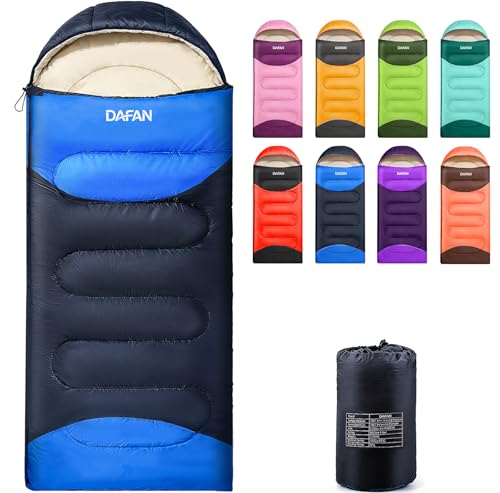
Lightweight Sleeping Bag for Adults, 3-Season Waterproof Backpacking Sleeping Bags with Compression Sack, Comfort Temp 50–68°F, Portable Camping Essential Gear for Travel, Hiking, Outdoor, Indoor

Lightweight Compact Adult Sleeping Bag for Backpacking, Camping & Hiking
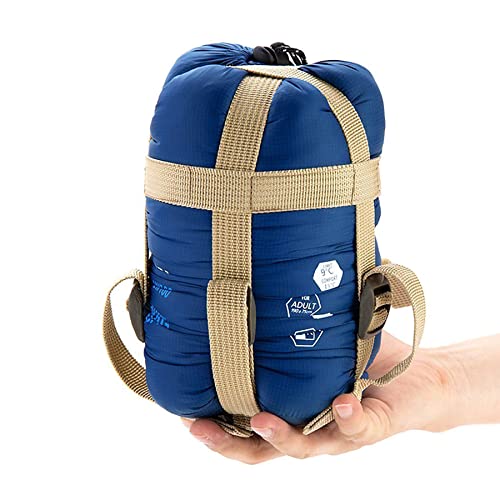
ECOOPRO Warm Weather Sleeping Bag - Portable, Waterproof, Compact Lightweight, Comfort with Compression Sack - Great for Outdoor Camping, Backpacking & Hiking-83 L x 30" W Fits Adults

MalloMe Sleeping Bags for Adults Cold Weather & Warm - Backpacking Camping Sleeping Bag for Kids, Girls, Boys - Lightweight Camping Essentials Gear Accessories Hiking Sleep Must Haves Single & Double

Frelaxy Ultralight Sleeping Bag Liner, Compact Travel Sheet, 3 Sizes