Tarp Tent: The Ultimate Lightweight Shelter Guide
Discover why experienced backpackers and ultralight campers choose tarp tents for their adventures. Learn setup techniques, material science, and how to select the perfect minimalist shelter for your needs.
START EXPLORINGWhy Tarp Tents Matter: A tarp tent represents the purest form of camping shelter — minimal, versatile, and incredibly lightweight. Unlike traditional tents with fixed poles and complex assemblies, a tarp tent adapts to your environment, your skills, and your adventure style. For backpackers counting every ounce, a tarp tent can reduce shelter weight by more than half compared to conventional options. For campers seeking connection with nature, it offers an unmatched open-air experience. Whether you're a thru-hiker on a long-distance trail or a weekend warrior looking to lighten your load, understanding tarp tents opens a new world of camping possibilities.
What Exactly Is a Tarp Tent?
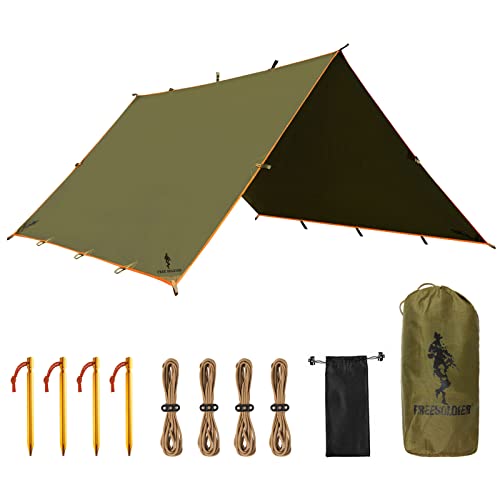
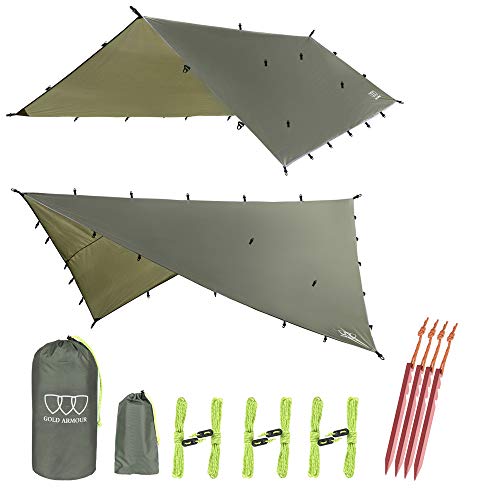
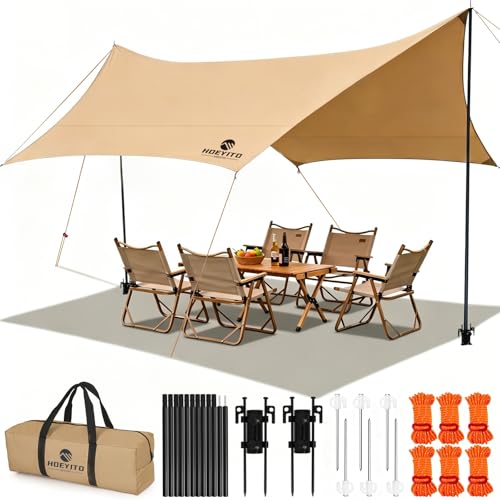
A tarp tent is a minimalist shelter made from a single flat sheet of waterproof or water-resistant fabric, pitched using trekking poles, trees, or custom poles to create a protective canopy. Unlike a traditional tarp tent that comes with pre-attached poles and a fixed shape, a flat tarp relies entirely on your pitching creativity. This versatility is both its greatest strength and its primary learning curve. The concept traces back to military and mountaineering origins, where soldiers and alpinists needed shelter that was light, packable, and adaptable to harsh conditions. Today, modern materials like silnylon and DCF (Dyneema Composite Fabric) have transformed tarp tents into high-performance shelters trusted by ultralight enthusiasts worldwide.
The appeal is straightforward: a well-pitched tarp tent offers excellent weather protection, superior ventilation, and unmatched weight savings. For those transitioning from traditional camping, the tent size guide can help contextualize how tarp configurations compare to conventional capacity ratings. Many campers find that a single tarp can replace multiple shelter types, making it a cost-effective and space-saving solution for diverse outdoor pursuits.
Key Benefits of Tarp Tent Camping
⚖️ Ultralight Performance
Weight is the defining advantage. A typical tarp tent setup weighs between 300 grams and 900 grams, compared to 1.5 kg to 3 kg for a conventional tent. For long-distance hikers, this difference translates directly into reduced fatigue and increased daily mileage.
🌬️ Superior Ventilation
Condensation is the silent enemy of tent campers. Tarp tents, with their open sides and adjustable pitch, allow constant airflow. This dramatically reduces moisture buildup inside your shelter, keeping your sleeping bag drier and warmer.
🔧 Unmatched Versatility
One tarp can become an A-frame shelter, a lean-to, a windbreak, a sunshade, or a ground cloth. This adaptability means you can respond to changing weather and terrain without carrying multiple specialized pieces of gear.
💰 Cost-Effective Entry
Entry-level flat tarps are among the most affordable shelter options available. Even premium ultralight models often cost less than comparable four-season tents, making tarp camping accessible to budget-conscious adventurers.
🎒 Packability
A tarp packs down to the size of a grapefruit or smaller. This frees up valuable pack space for food, water, or additional clothing — a critical consideration on multi-day expeditions where every liter of volume matters.
🌲 Connection with Nature
Sleeping under a tarp removes the psychological barrier of tent walls. You hear the wind, see the stars, and feel more immersed in your environment. Many campers describe this as the most rewarding aspect of tarp camping.
Tarp Tent Materials: Choosing the Right Fabric
The fabric determines your tarp's weight, durability, waterproofness, and cost. Understanding material options is essential before making a purchase decision.
| Material | Weight | Durability | Waterproofing | Best For |
|---|---|---|---|---|
| Silnylon | Ultralight | Mid-range | Excellent | Budget-conscious ultralight campers |
| Silpoly | Ultralight | Mid-range | Excellent | Campers wanting less sag than silnylon |
| DCF (Dyneema) | Ultralight | Premium | Outstanding | Thru-hikers and weight-obsessed backpackers |
| Polyester | Mid-weight | High-end | Good | Campers prioritizing durability over weight |
| Coated Nylon | Mid-weight | Mid-range | Good | Entry-level and general camping use |
For those exploring the broader world of lightweight shelters, understanding waterproof tent technology provides valuable context. Similarly, if you're considering how a tarp tent fits into a complete sleep system, our guide to lightweight sleeping solutions offers complementary insights.
Tarp Tent Pros and Cons
✅ Advantages
- Exceptionally lightweight and packable
- Superior ventilation reduces condensation
- Versatile pitching configurations
- Cost-effective compared to premium tents
- Immersive outdoor experience
- Quick to pitch once skills are developed
⚠️ Limitations
- Requires skill and practice to pitch effectively
- Less protection from insects and crawling pests
- Limited privacy compared to enclosed tents
- Vulnerable to severe weather without proper pitching
- No built-in floor (requires separate groundsheet)
- Can be challenging in areas without trees or anchor points
Essential Tarp Tent Setup Techniques
Mastering a few core configurations will prepare you for most camping scenarios. Practice these at home before relying on them in the field.
🏕️ A-Frame Pitch
The most common configuration. Two trekking poles or trees support the center ridge, while stakes anchor the corners. This creates a classic triangular shelter with excellent rain shedding. Ideal for moderate weather and straightforward terrain.
🏕️ Lean-To Pitch
One edge is elevated while the opposite edge is staked to the ground. This open-front design provides excellent ventilation and views, making it perfect for fair weather. In rain, angle the back into the wind for protection.
🏕️ Holden Pitch
A variation of the A-frame where one end is closed completely. This creates a more enclosed, wind-resistant shelter suitable for colder conditions or when privacy is desired. The closed end blocks wind and precipitation.
🏕️ Pyramid Pitch
A single center pole creates a pyramid shape with a wide base. This configuration offers excellent wind resistance and can be pitched low to the ground in severe weather. Requires a larger tarp but provides generous interior space.
For those camping in challenging conditions, combining tarp skills with proper rain camping techniques ensures a dry and comfortable experience. Additionally, understanding how to set up a tent in the rain translates directly to tarp pitching in wet conditions.
Who Should Choose a Tarp Tent?
🎒 Ultralight Backpackers
If you count every gram and prioritize mileage, a tarp tent is an essential tool. The weight savings allow you to carry more food, water, or simply move faster and farther with less fatigue.
🏔️ Experienced Campers
Campers with solid pitching skills and weather-reading ability will extract maximum value from a tarp tent. Your experience translates directly into comfort and safety.
🌲 Minimalist Adventurers
If you value simplicity and connection with nature over enclosed comfort, a tarp tent aligns perfectly with your philosophy. It's camping in its purest form.
💰 Budget-Conscious Campers
Entry-level tarps offer outstanding value. You can build a complete shelter system for a fraction of the cost of a premium tent, then upgrade materials as your skills and needs evolve.
Tarp Tent vs. Other Shelter Types
Understanding how tarp tents compare to alternatives helps you make an informed decision. For a broader perspective, our tent vs hammock comparison explores another popular lightweight option, while this analysis of tent value helps frame the investment question.
| Shelter Type | Weight | Weather Protection | Skill Required | Best Use Case |
|---|---|---|---|---|
| Tarp Tent | Ultralight | Good (skill-dependent) | High | Ultralight backpacking, fair to moderate weather |
| Traditional Tent | Mid-weight | Excellent | Low | General camping, families, harsh weather |
| Hammock | Lightweight | Moderate | Moderate | Forested areas, warm climates |
| Bivy Sack | Ultralight | Good | Low | Minimalist solo adventures, emergency shelter |
Practical Tips for Tarp Tent Beginners
📏 Start with a Larger Tarp
A 3x3 meter (10x10 foot) tarp is the ideal learning size. It's large enough for multiple pitches and forgiving of imperfect technique, yet still manageable for one person.
🔗 Master Knots and Hitches
Learn the taut-line hitch, bowline, and trucker's hitch. These knots allow you to tension your tarp properly and adjust quickly as conditions change.
🌧️ Practice in Bad Weather
Pitch your tarp in rain and wind before you rely on it in the backcountry. This builds confidence and reveals weaknesses in your technique or equipment.
🐜 Bring a Bug Net
In insect-heavy environments, a bug net or inner tent transforms your tarp into a comfortable, protected shelter. This hybrid approach combines the best of both worlds.
📍 Site Selection Is Critical
Choose campsites with natural windbreaks, available anchor points, and good drainage. A well-chosen site compensates for many tarp limitations.
🧵 Carry Repair Materials
A small repair kit with patches, seam grip, and extra cordage ensures you can handle unexpected damage. This is especially important on remote adventures.
Frequently Asked Questions About Tarp Tents
Is a tarp tent suitable for winter camping?
With proper technique and a four-season tarp, yes. However, winter tarp camping requires advanced skills, careful site selection, and appropriate sleeping gear. Our winter camping guide and snow setup techniques provide essential knowledge for cold-weather tarp use.
How do I protect against insects with a tarp tent?
A bug net or inner mesh tent is the standard solution. Many manufacturers offer compatible inner nests that hang from the tarp's ridge line. Alternatively, choose campsites with good airflow and avoid setting up near standing water.
What size tarp should I buy for solo camping?
A 2.4x2.9 meter (8x9.5 foot) tarp works well for solo use, while 3x3 meters offers more versatility and storm protection. Larger tarps provide more pitching options but weigh more and require more space to pitch.
Can I use a tarp tent in strong wind?
Yes, with proper pitching and site selection. Pitch low to the ground, use natural windbreaks, and ensure all guylines are securely anchored. A pyramid pitch with the tarp edges staked close to the ground performs best in wind.
How long does a quality tarp tent last?
With proper care, a quality silnylon or silpoly tarp can last many seasons of regular use. DCF tarps offer exceptional durability but come at a premium. Our guide to tent lifespan provides detailed maintenance and longevity information.
Do I need a groundsheet with a tarp tent?
Yes, a groundsheet protects your sleeping pad from punctures and keeps your sleeping bag clean and dry. Tyvek, polycro, or a dedicated footprint all work well. Cut it slightly smaller than your sleeping area to prevent water pooling.
Ready to Experience Tarp Tent Freedom?
Explore our recommended tarp tents and lightweight shelter gear below. Whether you're a seasoned ultralight backpacker or just starting your journey into minimalist camping, the right tarp tent transforms your outdoor experience.
View Recommended Gear ↓CampLifeEssentials Tip: Before committing to a tarp tent, practice pitching configurations in your backyard or a local park. The skills you develop — knot tying, site assessment, and weather reading — will serve you well regardless of the shelter you ultimately choose. For first-time campers, our beginner camping tips provide a solid foundation. And remember, always follow Leave No Trace principles to minimize your impact on the environments you explore.