One Man Tent: The Ultimate Guide to Solo Camping Shelters
Find the perfect one man tent for your solo adventures. Compare lightweight designs, setup styles, and features to make an informed decision for your next outdoor trip.
VIEW RECOMMENDED SOLO TENTSWhy Choose a One Man Tent? For solo campers, a one man tent is more than just a shelter—it's your home in the wild. It offers the perfect balance of lightweight portability, quick setup, and personal space. Whether you're a backpacker counting every gram, a cyclist touring the countryside, or a weekend warrior seeking solitude, the right solo tent transforms your experience. This guide will walk you through every consideration, from pack weight to pole materials, helping you find a shelter that matches your adventure style.
What You'll Learn
What Defines a One Man Tent?
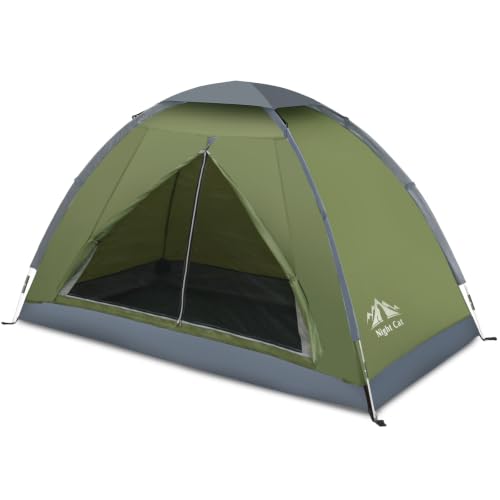
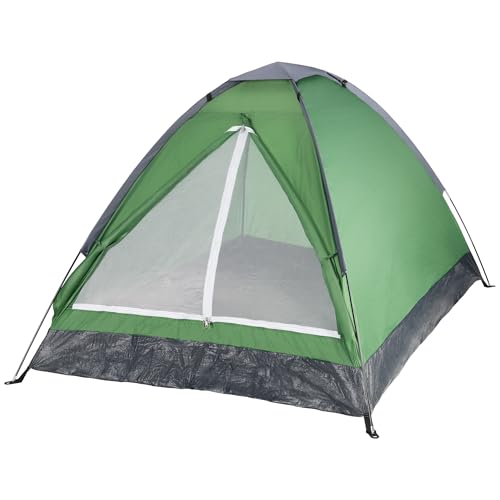
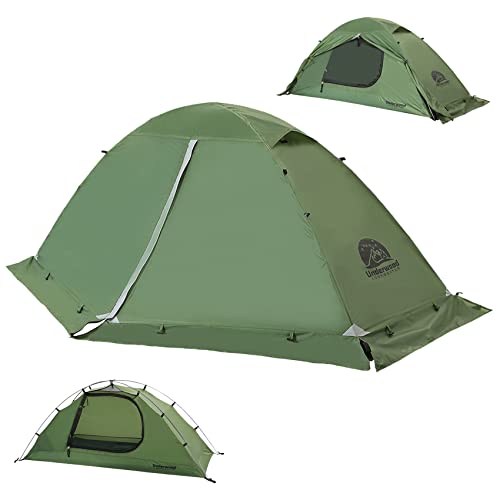
A one man tent is a compact, lightweight shelter designed specifically for a single camper. Unlike larger family or group tents, these shelters prioritize portability and efficiency. They typically weigh between 1 kg and 2.5 kg, pack down to the size of a small watermelon, and can be set up in minutes. The best models offer a surprising amount of interior space, often allowing a person up to 6 feet tall to sit up and store a backpack comfortably.
When researching how to choose the right tent size, it's important to remember that a one man tent is not just a scaled-down version of a larger tent. It's a specialized piece of gear engineered for solo use. Many solo campers also consider a tent vs hammock comparison, as hammocks can be a viable alternative in forested areas. However, a one man tent remains the most versatile choice for diverse terrain, from rocky ground to sandy beaches.
Key Features to Evaluate in a Solo Tent
Not all one man tents are created equal. Here are the critical features to compare:
- Doors and Vestibules: A single door is common, but a vestibule is crucial for storing muddy boots and wet gear outside your sleeping area. Some premium models feature two doors for easier access and better ventilation.
- Freestanding vs. Semi-Freestanding: Freestanding tents can stand on their own without stakes, making them ideal for rocky or sandy terrain. Semi-freestanding models require staking at the corners but are often lighter.
- Season Rating: Three-season tents are perfect for spring, summer, and fall. For winter adventures, a 4-season tent or a cold weather tent offers greater stability and snow load capacity. If you plan to camp in snow, learn how to set up a tent on snow.
- Materials: Look for ripstop nylon or polyester with a silicone or polyurethane coating. Aluminum poles are lighter and more durable than fiberglass. The debate of nylon vs. polyester often comes down to personal preference and specific use cases.
- Ventilation: Condensation is the enemy of solo campers. A double-wall design with mesh panels and a roof vent dramatically reduces internal moisture.
Types of One Man Tents
Solo shelters come in several distinct styles, each with its own advantages:
- Dome Tents: The most common design. They are stable in wind, easy to pitch, and offer good headroom. Many easiest 1-person tents to set up are dome-style.
- Tunnel Tents: These require staking but provide excellent space-to-weight ratios and are very stable in one direction. They are a favorite among backpackers.
- Single-Wall Tents: Lighter and faster to pitch, but more prone to condensation. They are often used by ultralight enthusiasts and mountaineers.
- Pop-Up Tents: These offer instant setup, making them great for casual campers. However, they are usually bulkier and heavier. You can find compact portable pop-up tents that are surprisingly small, but a true one man pop-up is a niche category.
For those who want a shelter that can be erected by one person, the tents that can be erected by one person category is worth exploring. If you are looking for a truly minimalist experience, a smallest foldable chair and a one man tent can create a complete solo camp setup.
Weight and Packability: The Solo Camper's Priority
For a one man tent, weight is often the single most important factor. Every gram counts when you're carrying your shelter on your back. Entry-level solo tents are typically heavier, using durable but weightier fabrics and fiberglass poles. Mid-range models shave weight with aluminum poles and lighter coatings. Premium and luxury solo tents use advanced materials like Dyneema Composite Fabrics (DCF) or high-tenacity silnylon, bringing the weight down to under 1 kg while maintaining strength.
Packability is equally important. A tent that packs down to a small cylinder is easier to fit into a good backpacking pack or a daypack for hiking. When choosing a camping backpack, consider how the tent's packed size will fit alongside your other gear. A hiking backpack with tent and sleeping bag combination is ideal for overnight trips.
Setup and Ease of Use
The ease of setting up your one man tent can make or break your camping experience, especially after a long day on the trail. Modern designs have simplified the process with color-coded poles, continuous pole sleeves, and clip systems. The easiest tent to set up and take down often features an instant or pop-up mechanism, but these may be heavier. For backpackers, a simple two-pole design is often the best compromise between speed and weight.
Practice pitching your tent at home before your trip. This is especially important if you expect rain, as you'll want to know how to set up a tent in the rain quickly without soaking your gear. If you are camping on a platform, like those found in some state parks, learn setting up a tent on a platform. For beach camping, know the techniques for setting up a tent on the beach.
Weather Resistance: Preparing for the Unexpected
Even a one man tent must be ready for the elements. A three-season tent is sufficient for most camping from spring to fall. However, if you plan to camp in colder conditions, a 4-season tent with a stove jack or a four-season tent provides the necessary durability and insulation. For winter camping, a winter tent and a winter sleeping bag are essential.
Understanding how to keep your shelter warm is key. Learn keeping a tent warm in cold weather and the specifics of sleeping in a tent in cold weather. If you're caught in a storm, knowing camping in a tent in the rain strategies can keep you dry and comfortable. Always check camping weather alerts before you go, and for emergency situations, review emergency preparedness for camping.
Frequently Asked Questions About One Man Tents
What is the best one man tent for backpacking?
The best one man tent for backpacking is typically a lightweight, three-season model weighing under 1.5 kg. Look for features like a compact packed size, durable aluminum poles, and a double-wall design for condensation control. Premium solo tents often use silicone-coated fabrics for superior waterproofing and strength. For the absolute lightest options, consider a single-wall tent, but be prepared to manage condensation carefully. If you want a tent that is easy to pitch, look for the easiest 1-person tent to set up.
Are one man tents too small?
One man tents are designed for solo campers and are usually small to save weight. However, many modern designs offer surprising interior space. If you are tall or prefer extra room for gear, consider a one man tent with a vestibule or a slightly larger one-person model that allows you to sit up comfortably. Some solo campers opt for a 2-person compact portable pop-up tent for extra space with minimal weight penalty. It's also worth considering a tent with a vestibule to store your pack outside the sleeping area.
What is the difference between a one man tent and a bivy sack?
A one man tent is a freestanding or semi-freestanding shelter with poles, offering more interior space and comfort. A bivy sack is a minimal, single-layer shelter that is lighter and more compact but provides very limited space and is best for ultralight backpacking or emergency use. A one man tent is generally more comfortable for multi-day trips, while a bivy sack is a specialized tool for the most weight-conscious adventurers. For those who want a balance, a tent that can be erected by one person is a versatile choice.
Can I use a one man tent for winter camping?
You can use a one man tent for winter camping, but it must be a four-season model. A standard three-season tent may collapse under snow load and will not handle high winds as well. A 4-season tent or a cold weather tent is designed for these conditions. For extreme winter conditions, consider a hot tent camping setup with a stove. Always prioritize safety and check the winter camping safety guidelines.
How do I choose the right one man tent for my needs?
Start by defining your primary use: backpacking, car camping, or bike touring. Backpackers should prioritize low weight and small packed size. Car campers can opt for more comfort and features, like a pop-up tent you can stand up in. Consider the climate and season, your height, and how much gear you need to store. Read reviews, compare specifications, and if possible, try setting up the tent before you buy. For a deeper dive, read our guide on how to choose tent size.