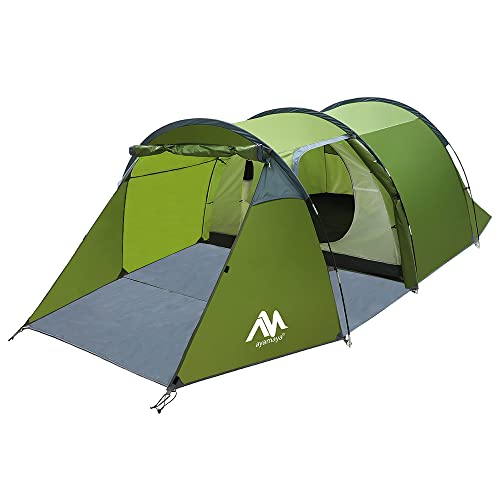
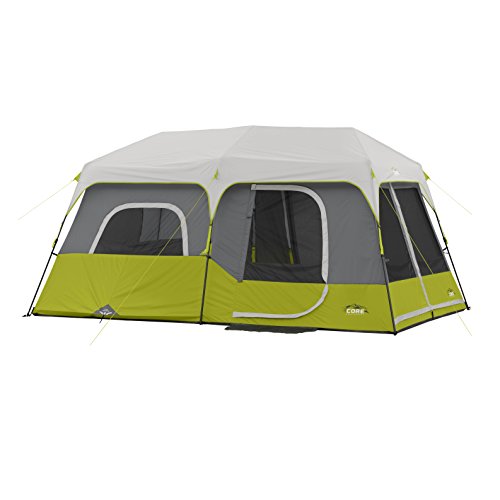
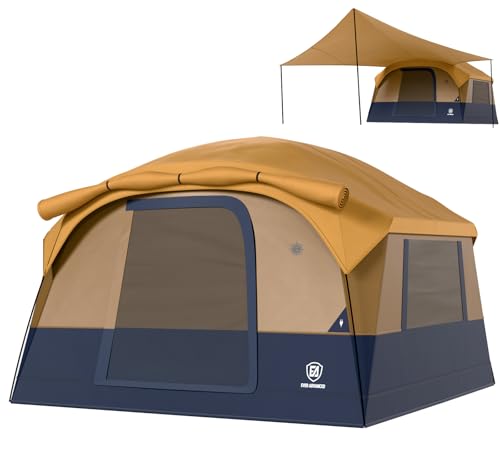
Tent With Vestibule: The Ultimate Guide to Choosing the Right One
Discover why a vestibule tent is a game-changer for gear storage, weather protection, and comfortable camping. Learn how to choose the perfect model for your adventures.
START READINGWhy a Vestibule Matters: A vestibule transforms your tent from a simple sleeping shelter into a fully functional basecamp. It provides critical protection for your gear, a dry entry point, and extra living space—making it one of the most valuable features in any camping tent.
What Is a Tent With Vestibule?
A tent with vestibule is a camping shelter that features an extended, covered area outside the main sleeping compartment but still attached to the tent body. This extra space—often called a porch, awning, or gear room—serves as a buffer zone between the outdoors and your sleeping quarters. Whether you're dealing with rain, snow, or just need a place to store muddy boots, a vestibule provides practical, weather-protected utility that enhances any camping experience.
Vestibules come in various shapes and sizes, from small, minimalist designs that barely cover a backpack to expansive add-on rooms that function as full outdoor living spaces. The right choice depends on your camping style, climate, and how much gear you typically bring. For those who camp in unpredictable weather, a cold weather tent with a vestibule is often considered essential equipment.
Types of Tent Vestibules
Understanding the different vestibule configurations will help you match a tent to your specific needs. Here are the most common types you'll encounter:
1. Front Vestibule (Single Door)
The most common design, a front vestibule extends outward from the tent's primary entry point. It typically provides enough space for boots, a backpack, and perhaps a small cooking setup. This design is ideal for solo campers or couples who want efficient weather protection without excessive bulk. Many 1-person tents and 3-person tents feature this configuration as a standard feature.
2. Dual Vestibules (Two Doors)
Dual vestibules offer entry from both sides of the tent, each with its own protected space. This design is popular in 4-season tents and larger family models, as it allows occupants to store gear separately and exit without disturbing others. The added ventilation and emergency egress benefits make this a preferred choice for serious adventurers.
3. Extended or Full-Coverage Vestibule
These larger vestibules function as genuine living spaces, often covering the entire front of the tent and providing standing room. They're common in tent with walls designs and multi-room tents, where the vestibule may serve as a dining area, changing room, or additional sleeping space. For those who prioritize comfort and space, this is the premium choice.
4. Add-On Vestibules
Some tent manufacturers offer vestibules as separate accessories that attach to compatible tent models. This modular approach allows you to customize your shelter based on the trip. It's a smart option for campers who want flexibility—using a lightweight setup for backpacking and adding a vestibule for basecamp-style trips.
Key Benefits of a Vestibule Tent
Investing in a tent with a vestibule offers numerous practical advantages that enhance your overall camping experience:
✅ Advantages
- Weather Protection: Keep rain, snow, and wind away from your sleeping area and gear.
- Gear Storage: Store muddy boots, wet jackets, and backpacks outside the main compartment.
- Dry Entry/Exit: Remove wet clothing before entering the sleeping area.
- Extra Living Space: Use as a changing room, cooking area, or relaxation spot.
- Improved Ventilation: Create cross-breezes without exposing the sleeping area.
- Privacy: Adds a buffer zone between you and the outside world.
⚠️ Considerations
- Added Weight: Vestibules increase the overall tent weight, which matters for backpacking.
- Larger Footprint: Requires more campsite space for pitching.
- Setup Complexity: Some vestibules require additional poles and guy lines.
- Higher Cost: Tents with integrated vestibules typically cost more than basic models.
- Condensation: Enclosed vestibules can trap moisture if not properly ventilated.
How to Choose the Right Vestibule Tent
Selecting the ideal tent with vestibule requires balancing your camping style, climate, and gear requirements. Consider these factors:
| Factor | Consideration | Recommendation |
|---|---|---|
| Camping Style | Backpacking, car camping, or basecamp? | Backpackers need lightweight, compact vestibules; car campers can prioritize space. |
| Climate | Rainy, snowy, or dry conditions? | Wet climates demand large, fully-covered vestibules; dry climates can use minimal designs. |
| Group Size | Solo, couple, or family? | Larger groups benefit from dual or extended vestibules for gear separation. |
| Gear Volume | How much equipment do you bring? | More gear requires larger vestibule capacity; minimalists can use smaller designs. |
| Season | 3-season or 4-season use? | 4-season camping demands robust, snow-shedding vestibules. |
| Budget Tier | Entry-level, mid-range, or premium? | Entry-level models offer basic protection; premium tiers provide superior materials and design. |
For those new to camping, reviewing a first time camping tips guide can help clarify which features matter most. Additionally, understanding how to choose tent size ensures your vestibule tent fits your group comfortably.
Practical Uses for Your Vestibule
A vestibule is more than just storage—it's a versatile space that adapts to your needs. Here are some creative ways campers use their vestibules:
Mudroom and Gear Storage
Keep your sleeping area clean by storing dirty boots, wet rain gear, and packs in the vestibule. This is especially valuable when camping in muddy conditions or after a day of hiking. Pair this with a outdoor camping mat inside the vestibule to create a clean, dry staging area.
Cooking Shelter
In rainy or windy conditions, a large vestibule can serve as a protected cooking area. Always ensure proper ventilation when using a good camping stove inside any enclosed space. Some campers prefer to set up a dedicated camp and kitchen setup nearby rather than cooking inside the vestibule.
Pet-Friendly Space
If you're camping with dogs, a vestibule provides a safe, contained area for your pet to rest without muddying the sleeping quarters. It also offers a buffer zone that can help pets acclimate to the campsite environment.
Extra Sleeping Area
In mild weather, a large vestibule can accommodate an extra sleeper on a folding camp bed or air mattress. This is a popular option for families who need overflow space without purchasing a larger tent. For extended trips, consider a 4-room tent with multiple vestibules for maximum flexibility.
Maintaining Your Vestibule Tent
Proper care extends the life of your tent and ensures reliable performance trip after trip:
- Clean After Each Trip: Remove dirt, debris, and moisture before storage.
- Dry Thoroughly: Never store a wet tent—mildew can damage waterproof coatings.
- Repair Promptly: Patch small tears in the vestibule before they worsen.
- Re-Waterproof Periodically: Apply seam sealant and DWR treatments as needed.
- Store Loosely: Avoid compressing your tent for extended periods.
Understanding how long do tents last helps set realistic expectations and plan for replacement. If you're wondering are expensive tents worth it, consider that premium models often feature more durable vestibule materials and better construction.
Frequently Asked Questions
Do I really need a tent with a vestibule?
While not strictly necessary, a vestibule significantly enhances comfort and organization. If you camp in wet climates, bring substantial gear, or simply want a more functional shelter, a vestibule is highly recommended. For minimalists in dry conditions, a basic tent may suffice.
Can I cook inside a vestibule?
Only with extreme caution and proper ventilation. Carbon monoxide poisoning is a serious risk. Many campers use vestibules for food preparation but cook outside using a portable butane stove or butane camping stove in a well-ventilated area.
How do I choose between a 3-season and 4-season vestibule tent?
3-season tents are suitable for spring, summer, and fall, offering good ventilation and moderate weather protection. 4-season tents are built for winter conditions, with reinforced vestibules that handle snow loads and extreme winds. Your choice depends on when and where you camp.
Are vestibules compatible with all tents?
No—vestibules are typically model-specific. Some manufacturers offer add-on vestibules for compatible tents, but universal fit is rare. Always check compatibility before purchasing a separate vestibule.
How much extra weight does a vestibule add?
Weight varies by design. Minimalist vestibules may add only a few ounces, while full-coverage designs can add several pounds. Backpackers should prioritize lightweight options, while car campers can accept the extra weight for added space.