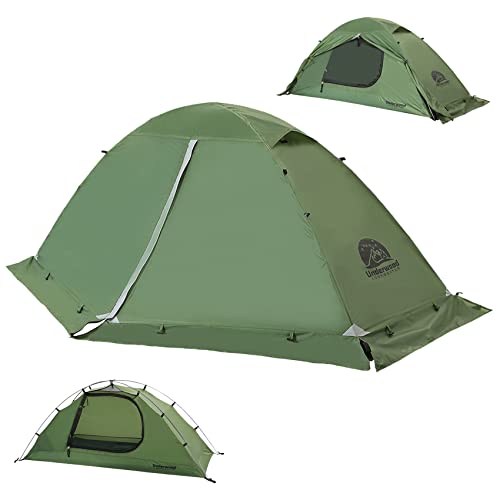
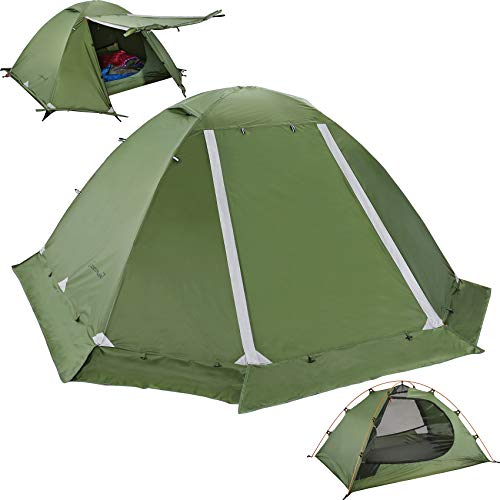
For many campers, the idea of pitching a tent in freezing temperatures, howling winds, or heavy snow is daunting. A standard three-season tent is designed for the mild conditions of spring, summer, and fall. It prioritizes ventilation and low weight, but it lacks the structural integrity and weather protection needed for true winter camping. This is where a four season tent becomes not just a luxury, but a critical piece of safety equipment.
Unlike its three-season counterpart, a four season tent is engineered to withstand the harshest elements. It is built with stronger fabrics, more robust poles, and a shape that can shed wind and snow. If you're planning a trip that involves winter camping or high-altitude mountaineering, this guide will walk you through everything you need to know.
What Exactly is a Four Season Tent?
A four season tent is a shelter specifically designed to handle extreme weather conditions year-round. Its primary purpose is to provide a secure and protected environment in high winds, heavy snow, and freezing temperatures. The key differences from a three-season tent are found in its construction and design philosophy.
The most obvious difference is the reduced mesh. While a three-season tent often features large mesh panels for airflow on hot summer nights, a four season tent minimizes or eliminates mesh entirely. Instead, it uses solid fabric walls, often with adjustable vents, to trap heat and block drafts. This design choice is crucial for how to stay warm in winter and preventing frostbite.
Key Features to Look For in a Winter-Ready Shelter
When you begin your research, you'll encounter a lot of technical jargon. Understanding these features is essential to choosing the right tent for your needs. Here are the most important elements to consider:
- Pole Structure: The pole configuration is the tent's skeleton. For a four season tent, you'll want a design that creates a strong, self-supporting structure. Geodesic and semi-geodesic dome shapes are popular because they offer exceptional stability in high winds. More poles generally mean a stronger tent, but also a heavier one. Look for DAC or similar high-quality aluminum poles.
- Fabric Denier: Denier (D) refers to the thickness of the fabric's threads. A higher denier means a thicker, more durable, and more abrasion-resistant fabric. While a three-season tent might use 20D or 30D fabrics, a four season tent often uses 40D, 70D, or even higher. This is crucial for durability against wind-whipped snow and ice.
- Waterproof Rating: Both the tent body and the rainfly should have a high hydrostatic head rating (measured in millimeters). A rating of 3000mm is a good baseline for a four season tent, but many premium options will offer 5000mm or more, ensuring complete waterproof protection.
- Ventilation: Even in winter, condensation is a major issue. A well-designed four season tent will have strategically placed vents, often near the top of the tent and near the base, to allow for cross-ventilation while keeping snow and rain out. A good cold weather tent balances warmth with breathability.
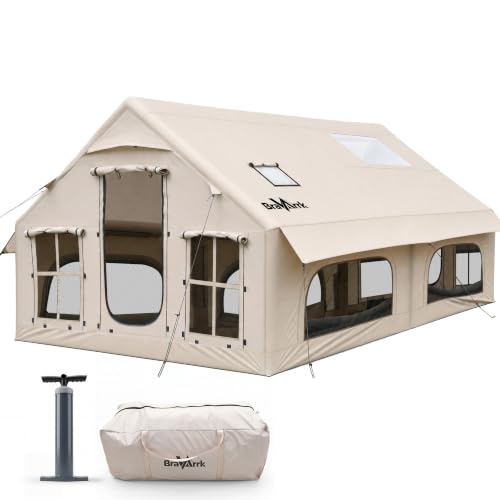
- Stove Jack: For the ultimate winter camping experience, some tents feature a stove jack—a fire-resistant patch in the roof or wall that allows you to safely install a wood-burning stove pipe. This turns your tent into a hot tent, providing incredible warmth and comfort. Tents with this feature are a game-changer for winter expeditions.
Choosing the Right Four Season Tent for Your Adventure
Not all four season tents are created equal. The right choice depends entirely on the type of camping you plan to do. Let's break down the options using a tier-based system, focusing on performance and features rather than price.
Entry-Level / Budget-Friendly: These tents are a great step up from a three-season model for casual winter campers or those who occasionally camp in early spring and late fall. They offer improved weather resistance but may be heavier and less feature-rich than high-end models. They are perfect for car camping or short overnight trips in moderate winter conditions. A solid 4 season camping tent in this tier will serve you well if you're not venturing into extreme alpine environments.
Mid-Range: This is the sweet spot for most serious winter campers. Mid-range four season tents offer a significant jump in durability, stability, and often weight savings. You'll find better pole structures (like true geodesic domes), higher denier fabrics, and more thoughtful ventilation systems. These tents are designed for regular use in harsh conditions and can handle significant snow loads. They are an excellent choice for winter camping in Colorado or similar environments.
Premium / High-End: These are the tents trusted by mountaineers and polar explorers. They are engineered for the most extreme conditions on Earth. Expect to see cutting-edge materials, incredibly strong and lightweight pole systems, and a focus on minimizing weight without sacrificing strength. Many premium tents are designed as single-wall shelters to save weight, which requires careful moisture management. They are the best choice for high-altitude expeditions and true winter camping where every gram matters.
When making your decision, consider the capacity. A 3 person tent is a good size for two people with gear, while a larger 8 person tent could serve as a basecamp shelter for a group. For solo adventurers, a one person tent or 1 person tent will be your best bet for weight savings. If you're transitioning from a standard tent, you might also be interested in are expensive tents worth it for the performance gains.
Setting Up Your Basecamp in the Snow
Pitching a tent in the snow requires different skills than setting up on grass or dirt. You can't just stake it out. You'll need to learn to use deadman anchors (stuff bags or branches filled with snow) or specialized snow stakes. Proper site selection is also critical—look for a sheltered area away from avalanche chutes and potential falling tree limbs. Our guide on how to setup a tent on snow provides a detailed walkthrough. Also, consider the ground beneath you; a good outdoor camping mat is essential for insulation from the cold ground.
Essential Gear to Pair with Your Tent
A four season tent is the core of your winter shelter system, but it's not the only piece of gear you need. To stay safe and comfortable, you must also have a sleeping system that can handle the cold. This starts with a sleeping bag rated for the temperatures you expect. Our guide on winter sleeping bags will help you understand temperature ratings. Layering your clothing is also a fundamental skill; read our layering clothing system guide. Finally, a reliable heat source, like one of the winter camping heaters, can make all the difference.
Frequently Asked Questions About Four Season Tents
Can I use a four season tent in the summer?
Yes, but it's not ideal. The reduced ventilation that makes a four season tent great for winter can make it uncomfortably hot and stuffy in the summer. For hot weather camping, a three-season tent with plenty of mesh is a much better choice.
What is the difference between a 4-season and an expedition tent?
All expedition tents are four-season tents, but not all four-season tents are expedition tents. "Expedition" generally refers to the highest tier of four-season tents, designed for extreme high-altitude mountaineering. They are typically the strongest, lightest, and most weather-resistant, often using single-wall designs to save weight.
How do I prevent condensation inside my four season tent?
Condensation is a challenge in any tent. To manage it in a four season tent, use all available vents, ensure the rainfly is pitched taut and not touching the inner tent body, and avoid cooking inside the tent without proper ventilation. On multi-day trips, wiping down the walls with a microfiber cloth can also help.
Do I really need a four season tent for winter camping?
For any serious winter camping in areas with significant snow or high winds, a four season tent is strongly recommended for safety. A three-season tent can collapse under a heavy snow load or be shredded by high winds. If you're just doing a mild overnight trip with no expected snow accumulation, a sturdy three-season tent might suffice, but a four season tent provides invaluable peace of mind.
Choosing a four season tent is a decision to extend your adventures into the most beautiful and serene months of the year. It is an investment in your safety, comfort, and enjoyment. We hope this guide has provided you with the knowledge and confidence to make the right choice.