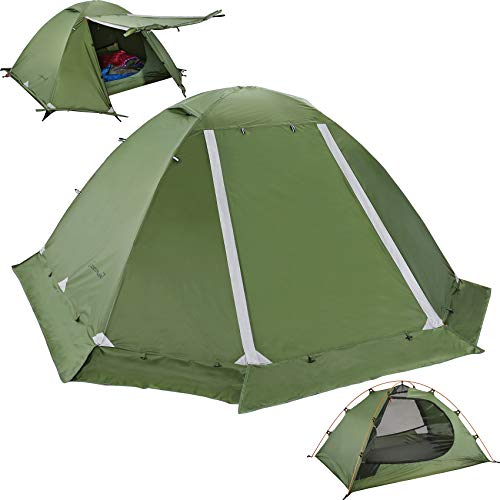
4 Season Tent: The Ultimate Guide to Year-Round Shelter
When the weather turns hostile and the snow begins to fall, a standard three-season tent simply won't cut it. A true 4 season tent is your lifeline — a fortress engineered to withstand brutal winds, heavy snow loads, and freezing temperatures while keeping you safe and warm inside.
Explore the GuideWhy Trust This Guide: Whether you are a winter backpacker, a mountaineer tackling alpine conditions, or a family looking for a reliable shelter for cold-weather camping, this comprehensive resource will walk you through everything you need to know about choosing, using, and maintaining a four-season tent.
What Exactly Is a 4 Season Tent?
A 4 season tent is a shelter specifically designed to perform in all four seasons, but its true purpose shines during the harshest conditions of winter and high-altitude environments. Unlike a typical 3-person tent or a lightweight summer shelter, a true four-season model is built with reinforced materials, a stronger pole structure, and a fully enclosed design that minimizes mesh exposure.
The key difference lies in how the tent handles weather. A three-season tent prioritizes ventilation and weight savings, using large mesh panels to prevent condensation during warm-weather camping. A four-season tent, by contrast, sacrifices some airflow for weather protection. It often features a full-coverage rainfly that extends nearly to the ground, solid fabric inner walls (or minimal mesh), and a geodesic or dome-shaped pole configuration that sheds wind and snow effectively.
Key Features That Define a True 4 Season Tent
1. Pole Structure and Strength
The pole system is the backbone of any four-season shelter. Most expedition-grade tents use a geodesic dome design, where poles intersect at multiple points to create a self-supporting structure that distributes wind pressure evenly. Others use a tunnel design, which offers excellent wind resistance but requires careful pitching. Many premium models also include additional guy-out points and reinforced pole sleeves to handle severe weather. If you're comparing this to lighter options, our guide on whether expensive tents are worth it breaks down the value proposition.
2. Fabric and Materials
Four-season tents typically use heavier denier fabrics — often 40D to 70D nylon or polyester — with multiple layers of silicone or polyurethane coating for waterproofing. The rainfly is usually a full-coverage design that extends to the ground, and the inner tent may have solid fabric walls rather than mesh. Some models also feature a tent with vestibule for gear storage and extra weather protection.
3. Ventilation and Condensation Management
While four-season tents reduce mesh to keep warmth in, they still need ventilation to prevent condensation from soaking your sleeping bag. Look for adjustable vents near the top and bottom of the tent, as well as a two-way zipper system that allows you to crack open the door without fully exposing the interior. Proper ventilation becomes even more critical if you're using a heater, which is why our guide on winter camping heaters is essential reading.
4. Snow Load and Wind Resistance
A true four-season tent must be able to shed snow without collapsing. This is achieved through steep wall angles, a sturdy pole structure, and sometimes a specially designed roof that prevents snow from accumulating. Wind resistance is equally important; a tent that flaps violently in the wind will keep you awake all night and may eventually fail. Look for models with a low profile and multiple guy-out points. If you're camping in snow, our guide on setting up a tent in the snow will help you pitch correctly.
Types of 4 Season Tents
Expedition and Mountaineering Tents
These are the most rugged four-season tents available, designed for high-altitude mountaineering and polar expeditions. They prioritize strength and weather protection above all else, often weighing more than standard tents but capable of withstanding hurricane-force winds and heavy snow. Many mountaineering tents are single-wall designs to save weight, but they require careful ventilation management.
Winter Camping Tents
Winter camping tents are a step below expedition-grade but still offer excellent weather protection. They are ideal for winter camping in temperate regions, where temperatures may drop below freezing but conditions are not extreme. These tents often feature a double-wall design for better condensation control and may include a stove jack for use with a wood stove. For those interested in this style, our guide on hot tent camping is a great resource.
Convertible and All-Season Tents
Some tents are marketed as "convertible" or "all-season," meaning they can be used in both summer and winter by adding or removing a solid inner tent or rainfly. While these are versatile, they often compromise on extreme weather performance. If you primarily camp in mild conditions and only occasionally venture into cold weather, a convertible tent may be a good choice. However, for serious winter use, a dedicated four-season tent is always the better option.
How to Choose the Right 4 Season Tent
Capacity and Size
Four-season tents are available in a range of sizes, from solo shelters to large base camp tents. For solo winter camping, a one-person or 1-person tent is usually sufficient, but keep in mind that you'll need extra space for bulky winter gear. For two people, a 3-person tent offers a comfortable margin, while families or groups may need a 4-room tent or larger. Always choose a tent that is rated for one more person than you plan to sleep in it, especially in winter when gear takes up more space.
Weight and Packability
Four-season tents are inherently heavier than their three-season counterparts due to stronger poles and heavier fabrics. If you plan to backpack with your tent, weight becomes a critical factor. Ultralight four-season tents exist but often come with a higher price tag and may compromise on durability. For car camping or base camp use, weight is less of a concern, and you can prioritize comfort and features. If you need a lightweight option, consider a one-man tent designed for backpacking.
Ventilation and Condensation
Condensation is the enemy of any winter camper. A tent with poor ventilation will accumulate frost inside, which can melt during the day and soak your gear. Look for a tent with multiple vents, a full-coverage rainfly that can be adjusted for airflow, and a design that minimizes the buildup of moist air. Double-wall tents generally offer better condensation control than single-wall designs.
Durability and Warranty
A four-season tent is an investment, so choose a model from a reputable brand with a solid warranty. Look for reinforced stress points, high-quality zippers, and durable fabrics. Reading reviews from other winter campers can give you insight into how a tent performs over time. Our article on how long tents last provides helpful context on lifespan and care.
Tips for Using a 4 Season Tent
Pitching in Cold Weather
Pitching a tent in freezing temperatures can be challenging. Cold makes fabrics stiff and poles brittle, so handle everything with care. Use gloves to avoid sticking to metal poles, and consider practicing a pitch before your trip. For snow camping, our guide on setting up a tent in the snow offers step-by-step instructions. If you're expecting rain, learn how to set up a tent in the rain to keep the interior dry.
Staying Warm Inside
A four-season tent provides shelter, but it doesn't generate heat. To stay warm, you'll need a properly rated sleeping bag, an insulated sleeping pad, and layered clothing. Our guides on winter sleeping bags and layering clothing for winter are essential reading. If you plan to use a heater, make sure it's designed for tent use and follow all safety guidelines. Never use a fuel-burning heater inside a tent without proper ventilation.
Managing Condensation
Even the best four-season tent can suffer from condensation if not properly ventilated. Open vents whenever possible, even in cold weather, and avoid cooking inside the tent. If you must cook inside, use a vestibule and ensure adequate airflow. Wipe down any condensation before it freezes, and consider using a small towel to absorb moisture.
Maintenance and Storage
After a trip, always dry your tent thoroughly before storing it. Moisture left in a packed tent can lead to mildew and fabric degradation. Store your tent loosely in a cool, dry place, and avoid compressing it for long periods. Check seams and waterproof coatings regularly, and reapply seam sealer as needed. With proper care, a high-quality four-season tent can last for many years.
4 Season Tent vs. 3 Season Tent: Which Do You Need?
The choice between a three-season and a four-season tent depends on your camping habits. If you primarily camp in spring, summer, and fall, a three-season tent is lighter, more ventilated, and generally more comfortable. However, if you camp in winter, at high altitudes, or in exposed locations, a four-season tent is essential for safety and comfort.
A good rule of thumb: if you expect temperatures below freezing, heavy snow, or strong winds, choose a four-season tent. If you're unsure, consider a convertible tent that can handle light winter conditions. For more help deciding, see our comparison of tent vs hammock and our guide on how to choose tent size.
Frequently Asked Questions
Can I use a 4 season tent in summer?
Yes, but with caveats. Four-season tents are designed to retain heat and block wind, which can make them uncomfortably hot in summer. Ventilation is limited, so you may experience condensation and stuffiness. If you plan to use one tent year-round, look for a convertible model with removable panels.
Do I need a 4 season tent for winter camping?
It depends on conditions. For mild winter camping with little snow and moderate temperatures, a sturdy three-season tent may suffice. However, for freezing temperatures, snow, and wind, a four-season tent is strongly recommended for safety and durability.
What is the best 4 season tent for backpacking?
The best backpacking four-season tent balances weight, durability, and weather protection. Look for a tent with aluminum poles, a low profile, and a double-wall design. Ultralight models exist but may be less durable in extreme conditions. Consider a one-person tent for solo trips or a 3-person tent for small groups.
How do I keep my 4 season tent warm?
A tent itself doesn't generate heat. To stay warm, use a high R-value sleeping pad, a winter-rated sleeping bag, and layered clothing. You can also use a safe tent heater, but always follow manufacturer guidelines. For more tips, see our guide on how to stay warm in winter.
Can I put a stove in a 4 season tent?
Only if the tent is specifically designed with a stove jack and is rated for stove use. Never use a stove in a tent without proper ventilation and a fire-resistant stove jack. Our guide on hot tent camping covers this in detail.