Sleeping in a Tent in Cold Weather: The Complete Guide to Staying Warm
Transform freezing nights into cozy outdoor experiences with proven insulation strategies, essential gear, and expert setup techniques.
EXPLORE COLD WEATHER GEARKey Insight: Staying warm isn't just about buying the thickest sleeping bag. It's a system combining ground insulation, proper layering, ventilation management, and strategic nutrition before bed. This guide breaks down every component to ensure you wake up rested, not frozen.
Why Most Campers Get Cold (And How to Fix It)
The physics of cold-weather camping is simple: your body generates heat, and the environment steals it through conduction, convection, and radiation. When sleeping on frozen ground without proper insulation, conductive heat loss can be overwhelming—the earth acts as a massive heat sink. Our cold weather camping safety principles emphasize that mastering this heat equation is non-negotiable. The solution lies in creating a multi-layered barrier that traps warm air and blocks the cold from all directions, including from below, which is often the most neglected aspect.
Many beginners mistakenly believe a heavy sleeping bag solves everything. In reality, even a high-quality winter sleeping bag compresses under body weight, losing its loft and insulating power beneath you. This is why the sleeping pad is arguably more critical than the bag itself. A complete sleep system integrates a high R-value pad, a temperature-appropriate bag, and smart clothing choices to manage moisture and maximize thermal efficiency.
The Three Pillars of a Warm Sleep System
To successfully master sleeping in a tent in cold weather, you must optimize three interconnected gear categories. Neglecting any single one will compromise your warmth, regardless of how much you spend on the others. A complete winter camping gear kit addresses all of these pillars, but let's focus specifically on what touches your body and immediately surrounds it during sleep.
1. The Sleeping Pad: Your Primary Defense Against the Ground
R-value measures a pad's resistance to heat flow—the higher the number, the better it insulates. For cold weather, aim for an R-value of at least 5.0. In extreme cold (below 10°F), combine a closed-cell foam pad (R-value ~2.0) with an insulated inflatable pad (R-value ~4.0+) to achieve a combined R-value of 6.0 or higher. This system is lightweight, redundant, and prevents catastrophic heat loss if your inflatable pad fails. Our reviews of camping mats often highlight this layering technique as a life-saving strategy for winter backpackers.
2. The Sleeping Bag: Understanding Temperature Ratings
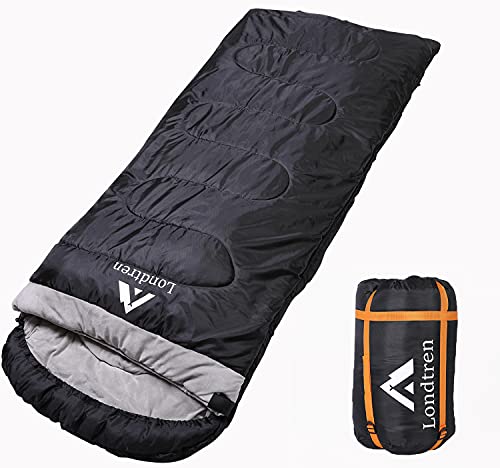
The EN/ISO comfort rating indicates the lowest temperature at which a "standard woman" can sleep comfortably. The lower limit rating is for a "standard man" curled up. Always choose a bag rated 10–15°F lower than the expected nighttime low. For true winter camping, a bag with a comfort rating of 0°F or lower is essential. Down insulation offers the best warmth-to-weight ratio and compressibility but must be kept dry. Synthetic insulation retains warmth when damp and is more affordable, making it a practical choice for damp climates or when you're just starting to explore winter camping. Remember that wearing too many layers inside your bag can compress the insulation and reduce its effectiveness—a lightweight base layer and a warm hat are often the best combination.
3. The Tent: Four-Season Shelter and Ventilation
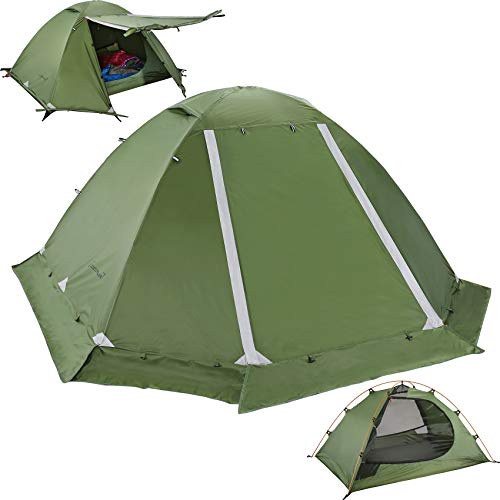
A dedicated 4-season tent is not just a marketing term—it features stronger poles to handle snow loads, steeper walls to shed snow, and solid fabric panels to block spindrift. Crucially, they have adjustable ventilation to manage condensation. The biggest mistake campers make is sealing every vent to stay warm; this traps breath moisture, which freezes on the inner tent walls and rains down as frost inside. Our guides on winter tents explain how to balance airflow with warmth retention. For most campers not facing severe alpine conditions, a sturdy 3-season tent with a full-coverage rainfly can suffice if paired with excellent sleeping gear, especially when employing a hot tent camping setup that uses a portable wood stove.
Preparing Your Body and Your Camp
Gear alone won't guarantee warmth. Your personal habits and campsite selection play an enormous role. Arriving at camp cold, dehydrated, or with wet clothing is a recipe for a miserable night. Drink a warm, non-caffeinated beverage and eat a high-fat, high-protein snack like nuts or cheese right before bed. This fuels your metabolic furnace through the night. Avoid alcohol—it dilates blood vessels, causing rapid heat loss despite the initial warm feeling.
Site selection is equally critical. Cold air sinks, so avoid setting up your tent in the bottom of a valley or a depression where a cold air pocket will form. Instead, find a sheltered spot slightly elevated, perhaps behind a natural windbreak like a dense stand of trees or a large rock. Ensure your tent is pitched tautly to minimize flapping and heat loss from wind. Placing a camping tarp as a footprint and an additional barrier inside the tent can provide an extra layer against ground cold and moisture. Before finalizing your setup, review our guide on setting up a tent in the snow if you're heading into wintery conditions.
✅ Pre-Sleep Warmth Checklist
Special Considerations for Different Cold-Weather Scenarios
Car Camping: Weight and bulk are non-negotiable. You can bring heavy wool blankets, a thick self-inflating pad like those found in our camping bed section, and even a portable power station to run a small safe electric heater in a large tent for short bursts before bed. Layer a closed-cell foam pad under a luxurious 4-inch inflatable mattress for supreme comfort and insulation.
Backpacking: Every ounce counts. An ultralight down bag rated to 0°F paired with a high-R-value inflatable pad is the standard. The layering clothing approach described in our winter layering system is critical, as your mid-layers and puffy jacket become part of your sleep system, allowing you to carry a lighter sleeping bag. A two-person tent can be warmer than a solo shelter due to shared body heat, but also generates more condensation—ventilation becomes even more vital.
Pro Tip: The Vapor Barrier Liner (VBL): In sustained sub-zero conditions, a vapor barrier liner worn inside your sleeping bag prevents sweat from entering the bag's insulation, where it would freeze and degrade loft night after night. It feels clammy but can be a game-changer on multi-day expeditions. Always consult our hypothermia prevention guide before attempting extreme cold weather trips.
Morning After: Managing Condensation and Packing Up
Waking up to a frost-covered interior is normal in cold weather, but how you handle it determines your comfort for the next night. Shake frost off your sleeping bag and tent walls outside before it warms and melts into liquid water. If the sun is out, drape your sleeping bag over a bush or rock to dry, even for just 15 minutes. Pack your sleeping pad loosely if possible to prevent damage to the internal insulation baffles. For a complete list of what to bring to manage these conditions, consult our winter camping checklist. Pay special attention to the clothing and sleep system sections, as forgetting a single item like a dry hat can cascade into a dangerous situation.
Finally, always have a backup plan. Knowing the signs of hypothermia—uncontrollable shivering, confusion, drowsiness—is essential. If conditions deteriorate beyond what your gear can handle, don't hesitate to retreat to your vehicle or break camp. No summit or destination is worth a cold-weather injury. The most experienced winter campers are those who know when to turn back, armed with knowledge from guides on comprehensive cold weather safety.