Cold Weather Tent: Your Complete Guide to Four-Season Shelter
When the temperature drops and the snow begins to fall, an ordinary camping tent won't cut it. Discover how a true cold weather tent protects you from the harshest elements and keeps you warm, dry, and safe.
START LEARNINGWhy a Standard Tent Fails in Winter
Most camping tents are designed for three seasons: spring, summer, and fall. They prioritize ventilation and low weight, using large mesh panels to prevent condensation on warm nights. However, when you take that same tent into freezing temperatures, it becomes a liability. The mesh allows wind to strip away your body heat, and snow can pile up on a roof that wasn't engineered to support the load. A dedicated cold weather tent, often called a 4-season tent or four-season tent, is built from the ground up to solve these specific problems. It is a critical piece of winter camping gear that can mean the difference between a memorable adventure and a miserable, even dangerous, experience.
This guide will walk you through everything you need to know about cold weather tents. We'll explain how they differ from standard tents, break down the key features you must look for, and help you understand which type is right for your specific adventures, whether you're a casual winter camper or a serious mountaineer. By the end, you'll have the confidence to choose a shelter that will perform when it matters most.
What Makes a Tent a "Cold Weather" Tent?
The term "cold weather tent" is broad, but it generally refers to any tent engineered to handle snow, high winds, and sub-freezing temperatures. The most significant distinctions from a standard three-season tent lie in three core areas: the pole structure, the fabric and construction, and the ventilation system.
1. The Pole Structure: Strength Over Weight
In a cold weather tent, the pole structure is the skeleton that must withstand the weight of snow and the force of winter storms. Manufacturers use more poles, often with a greater diameter, and design them to cross at multiple points to create a rigid, self-supporting frame. This is a stark contrast to the minimalist, lightweight pole sets of summer backpacking tents. For extreme conditions, you'll find heavy-duty tents that use expedition-grade poles, sometimes even using a 4-season tent with stove jack to allow for a heat source inside. This structural integrity is non-negotiable for safety in the backcountry.
2. Fabric and Construction: A Shield Against the Elements
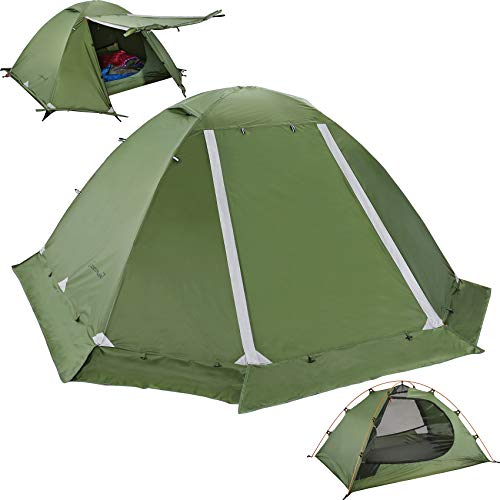
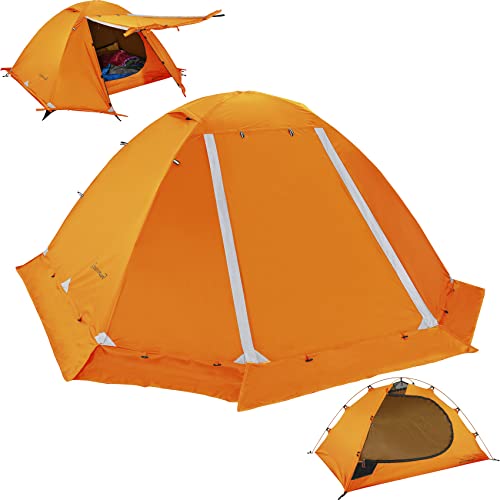
Cold weather tents use fabrics that are more durable and resistant to the elements. The rainfly typically extends all the way to the ground, creating a full-coverage shield that blocks spindrift (wind-blown snow) and cuts down on drafts. The main tent body often has significantly less mesh than a summer tent, sometimes featuring solid fabric walls with only small, closable vents. This design traps warmth more effectively. You'll also find features like reinforced guy-out points, heavy-duty zippers, and robust stake loops, all designed for the rigors of winter use. The materials themselves are often stronger, with higher denier ratings for both the fabric and the waterproof coatings.
3. Ventilation: The Battle Against Condensation
One of the biggest challenges in winter camping is managing condensation. Your body produces a surprising amount of moisture through breathing and perspiration. In a sealed, cold environment, that moisture will condense on the inside of the tent walls, and if it freezes, it can create a layer of frost that will rain down on you and your gear. A good cold weather tent features adjustable ventilation systems. These are typically closable vents, often located high on the tent body and on the rainfly, that allow you to create cross-flow ventilation to carry moist air outside while retaining as much heat as possible. Learning to manage these vents is a key winter camping skill.
Choosing Your Shelter: Types of Cold Weather Tents
Not all cold weather tents are created equal. The right choice depends on your intended use, the conditions you expect to face, and your priorities regarding weight, space, and warmth. Here are the main categories to consider.
Three-Season Plus / Extended Season Tents
These tents are a hybrid, offering a compromise between a lightweight summer tent and a full-on expedition shelter. They typically have a more robust pole structure and less mesh than a standard three-season tent, making them suitable for late fall, early spring, and mild winter conditions where heavy snow is not expected. They are a great choice for campers who want a versatile tent for 4-season camping but prioritize weight savings for most of the year.
True Four-Season Tents
This is the classic cold weather tent. A true 4-season tent is designed to handle snow loading, high winds, and freezing temperatures. They are heavier than their three-season counterparts but offer far greater security and warmth. They are the standard for winter backpacking, mountaineering, and any adventure where you expect to encounter real winter weather. Many models are available in various capacities, from a solo one-man tent to a large multi-room tent for base camp use.
Expedition and Mountaineering Tents
These are the ultimate cold weather shelters, built for the most extreme environments on Earth. They feature the strongest pole structures, the most durable fabrics, and are designed to withstand hurricane-force winds and heavy snow accumulation. They are often used on polar expeditions and high-altitude mountaineering trips. Their weight is significant, but their performance in life-threatening conditions is unmatched. These are true heavy-duty tents.
Hot Tents
A special category of cold weather tent is the hot tent. These tents are designed with a stove jack, a fire-resistant port that allows you to safely run a chimney for a small wood-burning stove. A hot tent camping setup can transform a cold winter night into a warm, comfortable experience. This is a more advanced and heavier option, but for those who camp in deep winter or want a luxurious basecamp, it's a game-changer. You can find models like a 4m fire retardant bell tent with stove hole for this purpose.
Key Features to Evaluate in a Cold Weather Tent
When you're comparing models, paying attention to these specific features will help you separate a true winter performer from a pretender.
Pole Material and Geometry
Look for poles made from high-quality aluminum alloys, such as DAC Featherlite or similar. These offer an excellent strength-to-weight ratio. The geometry is just as important. Dome, geodesic, and tunnel designs are common. Geodesic tents, with their intersecting pole arches, are exceptionally stable in high winds. Tunnel tents offer great space-to-weight ratios and are very stable when pitched tautly with the wind. The key is a design that creates a strong, aerodynamic shape.
Fabric Denier and Coating
The "denier" (D) is a measure of the fabric's fiber thickness. A higher denier means a heavier, more abrasion-resistant fabric. While a 20D fabric might be fine for a summer tent, a cold weather tent will often use 40D, 70D, or even higher for the floor and rainfly. The waterproof coating is also crucial. Look for a hydrostatic head rating of at least 3000mm, though 5000mm or more is better for extended winter use. Taped seams are a must.
Ventilation System
As mentioned, ventilation is critical. Look for tents with multiple closable vents. A good system will have a low vent for air intake and a high vent for warm, moist air to escape. Some tents feature vents in the rainfly that can be propped open with a small pole or strut, even in bad weather. This allows you to manage condensation without letting in the snow.
Doors and Vestibules
A winter tent should have at least one large, D-shaped door that is easy to get in and out of while wearing bulky clothing. A spacious vestibule is essential. It provides a protected area to store snowy gear, cook (with proper ventilation), and get out of the wind. Some tents, like a tent with vestibule, are designed specifically for this purpose. This extra space keeps the interior of your tent dry and organized.
Capacity and Interior Space
Winter camping requires more gear, and you'll be wearing bulkier clothing. As a rule of thumb, choose a tent that is rated for one more person than you plan to sleep in it. For example, a couple should consider a 3-person tent for winter use. This provides extra room for gear and makes the space feel less cramped when you're spending long, dark hours inside. If you need more space, a larger 4-person tent you can stand up in could be an option for a basecamp. For solo adventurers, a 2-person tent you can stand up in might provide that extra comfort.
Setting Up and Using Your Tent in the Snow
Pitching a tent in winter conditions requires different techniques than a summer setup. Preparation is key. Look for a sheltered spot, but be aware of potential hazards like avalanche runouts or falling branches. You'll need to create a solid base. You can stomp down the snow to create a firm platform, or for a more secure pitch, you can use snow stakes or even bury deadman anchors (stuff sacks filled with snow). Learning the specifics of how to setup tent on snow or the techniques of setting up a tent in the snow is a vital skill.
Once your tent is up, managing the interior environment is an ongoing task. Keep your sleeping bag and spare clothes dry by storing them in a waterproof camping duffel bag. Use the vestibule for wet, snowy gear. Manage your ventilation carefully, opening vents during the day and closing them at night to conserve heat, but always leaving a small amount of airflow to prevent condensation from building up. Inside, a folding camp bed or a high-quality outdoor camping mat with a high R-value will provide crucial insulation from the cold ground. For a touch of home comfort, a wool blanket for camping can add warmth and a cozy feel.
Final Thoughts: Investing in Warmth and Safety
Choosing the right cold weather tent is one of the most important decisions a winter adventurer can make. It's not just about comfort; it's about safety. A tent that fails in a winter storm can lead to hypothermia, frostbite, and other serious emergencies. By understanding the key features—a robust pole structure, durable fabrics, and intelligent ventilation—you can make an informed decision. Remember to consider your specific needs, whether you're a casual car camper or a hardcore backpacker. A tent like a pop-up tent for cold and rainy weather might work for very light use, but for true winter conditions, a dedicated four-season shelter is essential. With the right gear and knowledge, you can safely and comfortably enjoy the magic of the winter wilderness.