Camping in a Tent in the Rain: Stay Dry & Comfortable Guide
Don't let wet weather ruin your outdoor adventure. Learn how to set up a waterproof shelter, manage condensation, and stay cozy even when the skies open up.
GET RAIN-READY TIPSRain Doesn't Mean Ruined Trips: With the right preparation, camping in a tent in the rain can be a peaceful, crowd-free experience. The sound of raindrops on a rainfly is one of camping's greatest pleasures—when you're dry inside. This guide covers everything from site selection to gear maintenance.
Quick Tips for Rainy Camping Success
🔍 Site Selection
- Avoid low ground & dry creek beds
- Choose slightly elevated, well-drained spots
- Look for natural windbreaks (but not under dead branches)
- Check for existing drainage patterns
⛺ Tent Setup Essentials
- Use a footprint or groundsheet underneath
- Stake out guylines for rainfly tension
- Ensure rainfly doesn't touch tent body
- Face door away from prevailing wind
🧥 What to Wear
- Waterproof rain jacket & pants ($50–$200)
- Quick-dry base layers (avoid cotton)
- Waterproof hiking boots or rubber boots
- Extra socks—always more than you think
🎒 Must-Pack Extras
- Dry bags or heavy-duty trash bags
- Microfiber towels (fast-drying)
- Extra stakes & paracord (50–100 ft)
- Portable tarp for cooking/gear area
Choosing the Right Tent for Rainy Conditions
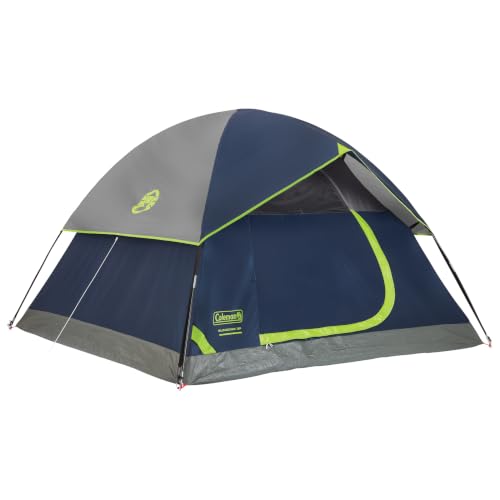
Not all tents are created equal when it comes to wet weather. When you're camping in a tent in the rain, three factors matter most: waterproof ratings, rainfly design, and ventilation. The camping tent you choose can make or break your trip.
Waterproof Ratings Explained
Tent fabrics are measured by hydrostatic head (HH) ratings in millimeters. A tent with a 1,500mm HH rating means the fabric can withstand a 1,500mm column of water before leaking. For rainy camping, aim for a minimum 1,500mm HH for the rainfly and 3,000mm+ HH for the floor. Premium tents often feature 5,000mm+ ratings with taped seams for complete waterproof protection.
Rainfly Design Matters
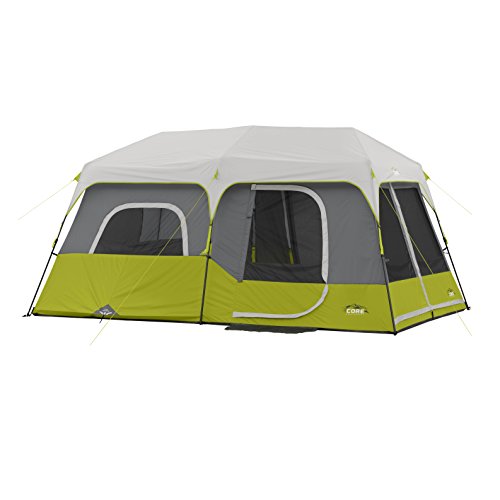
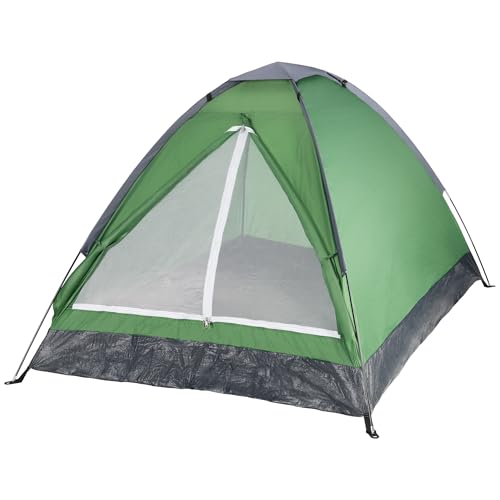
A full-coverage rainfly that extends close to the ground is ideal. It prevents rain from blowing under the fly and onto the tent body. Avoid tents where the fly barely covers the top—wind-driven rain will soak the walls. Dome and geodesic designs with steep walls shed water naturally, while cabin-style tents need good rainfly overhangs. If you want to keep water off the inner tent during setup, knowing how to set up a tent in the rain efficiently is crucial.
How to Set Up Your Tent in the Rain
Setting up camp in wet conditions requires speed and technique. The goal: keep the inside of your tent dry from the start. Use a camping tarp overhead as a temporary shelter during setup if possible. Here's the proven step-by-step method:
-
Lay the Footprint First
Spread your groundsheet or footprint quickly. Make sure it's slightly smaller than the tent floor—if it extends beyond, water will pool on top of it and channel under your tent. Tuck edges under.
-
Assemble Poles Under Cover
If you have a tarp or vehicle hatch, assemble poles there. Otherwise, work quickly. Clip the tent body to the poles while the rainfly is still in its stuff sack. This minimizes how long the inner tent is exposed.
-
Stake the Tent Body
Stake out the corners immediately so wind doesn't blow the tent away. Even on soft ground, a wet tent catches wind. If the ground is saturated, use longer stakes (8–10 inches) or deadman anchors with sticks and rocks.
-
Throw the Rainfly Over Immediately
As soon as the tent body is up, drape the rainfly over. Clip it to the tent body or poles, then stake out all guylines. Pull the fly taut—a loose fly flaps in wind and sags under water weight, causing leaks where it touches the inner tent.
-
Create a Drip Line Trench (Where Appropriate)
If campground rules and Leave No Trace principles allow, dig a shallow trench around the tent to redirect flowing water. Otherwise, rely on proper site selection—never trench where it would cause erosion or damage vegetation.
Keeping the Inside of Your Tent Dry
Getting the tent up without letting water in is half the battle. The other half is managing internal moisture. Condensation is the number one cause of wet sleeping bags—not leaks. When you're camping in the winter in a tent or during rainy shoulder seasons, the temperature difference between inside and outside creates condensation quickly. Here's how to fight it:
Ventilation Strategies
Keep at least one vent open, even in rain. Many rainflies have vents at the peak or sides that can be propped open without letting rain in. This allows warm, moist air (from your breath and body) to escape. For the most comfortable way to sleep in a tent, managing airflow is just as important as your sleeping pad choice.
Gear Organization in Wet Weather
Designate a "wet zone" and "dry zone" inside your tent. Wet rain jackets and boots stay in the vestibule or on a small camping mat near the door. Never bring soaked gear deep into your sleeping area. Use gear lofts, pockets, or hanging organizers to keep essentials off the floor—if water does seep in, your sleeping bag and camping pillow stay safe.
Cooking and Eating When It's Raining
Cooking in the rain is challenging but doable with planning. Never cook inside your tent—carbon monoxide from camp stoves is deadly and the fire risk is real. Instead, create a covered kitchen area using a camping tarp strung between trees or trekking poles. Your camping kitchen setup should be sheltered but well-ventilated.
Choose meals that require minimal prep and cooking time. One-pot meals, dehydrated backpacking meals, and pre-made foil packets are ideal. A camping stove with a windscreen performs better in gusty rain conditions. For hot drinks, a camping kettle brings water to boil quickly so you're not standing in the rain longer than necessary. Packing the right camping cookware that's easy to clean with limited water matters too.
Rain Camping Through the Seasons
🌧️ Spring Rain
Temp: 40–60°F
Focus on waterproofing and insulation. Ground is saturated—an elevated camping cot provides a dry sleep surface above any puddles. Use a spring camping checklist to prepare.
⛈️ Summer Thunderstorms
Temp: 65–80°F
Ventilation is critical—humidity causes condensation. A pop-up shelter over your picnic area creates covered living space. Follow the summer camping checklist for warm-weather rain prep.
🍂 Fall Drizzle
Temp: 35–55°F
Cold rain is dangerous if you get wet. Pack a camping blanket for backup warmth. Layer clothing carefully and check the fall camping checklist for seasonal necessities.
❄️ Winter Sleet
Temp: Below 32°F
Rain at near-freezing temps requires winter camping gear. A four-season tent with strong poles handles snow loads. Review the rainy season checklist for wet-winter strategies.
Drying Wet Gear: Post-Rain Recovery
Everything gets damp eventually when camping in a tent in the rain. Knowing how to dry gear on-site or at home prevents mildew, extends equipment life, and keeps you comfortable for the next trip. A portable camping shower area can double as a gear-drying space with a line strung inside.
On-Site Drying Methods
If the sun breaks through, immediately lay wet items on rocks, hang from branches, or drape over a camping chair. A portable camping heater (used safely outside the tent with supervision) speeds drying in vestibule areas. Stuff newspaper inside wet boots overnight—it absorbs moisture remarkably well. For multi-day trips, a camping light with a warm LED can create a mini drying station inside the tent vestibule when combined with airflow.
Rain Camping Safety Considerations
Wet conditions introduce specific hazards. Flash flood safety awareness is critical when camping near rivers, canyons, or low-lying areas. Rain can turn a trickling stream into a dangerous torrent in minutes. Check weather forecasts before your trip and have an evacuation plan.
Hypothermia prevention becomes relevant even in temperatures as warm as 50°F when you're wet. Water conducts heat away from your body 25 times faster than air. Change into dry clothes immediately if you get soaked, and consume warm liquids from your camping kettle. A comprehensive first aid kit with emergency blankets is non-negotiable.
Setting up camp safely also means looking up and around—avoid camping under dead trees or branches that could fall when soaked and heavy. Secure all gear; a camping bag left outside can blow away in storm winds. Having emergency communication options like a satellite messenger adds peace of mind in remote rainy locations.