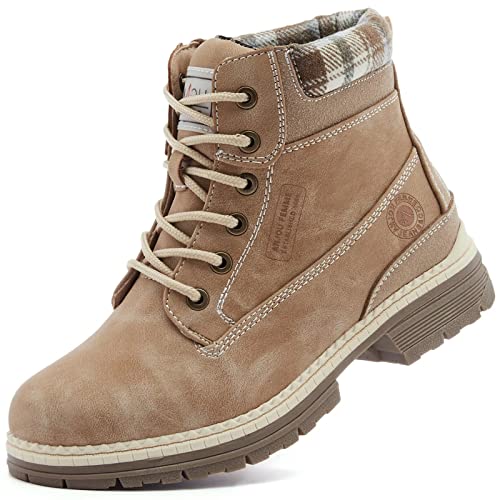
Summer Trekking Boots: The Ultimate Guide to Breathable Hiking Footwear
Stay cool, comfortable, and sure-footed on every trail. Discover how to choose the best lightweight, ventilated boots for warm-weather adventures.
START YOUR RESEARCH
Why Summer Boots Are Different: Hot weather demands footwear that manages moisture, reduces heat buildup, and still provides reliable traction and protection. This guide cuts through the marketing to help you find the perfect pair for your next summer trek.
Understanding Summer Trekking Boots
You've probably narrowed down your search to a few promising models. But what really sets a summer trekking boot apart from a standard hiking boot? The answer lies in a careful balance of breathability, weight, and protection. Unlike insulated winter boots, summer footwear prioritizes airflow to keep feet dry and blister-free. Materials like mesh, synthetic leather, and specialized textiles are engineered to wick moisture and allow heat to escape. This doesn't mean sacrificing support or durability; modern designs incorporate reinforced toe caps, protective heel counters, and strategically placed overlays for abrasion resistance. The goal is a boot that feels light on your feet while offering the confidence to tackle varied terrain under the summer sun.
When you're out on the trail, the last thing you want is a soggy, overheated foot. That's why the construction of a summer boot is so critical. Ventilation panels are not just a comfort feature; they are essential for foot health on multi-day trips. Pair your boots with the right cool hiking clothes to further regulate your body temperature. And don't forget hydration—a hiking drinking bottle is a must-have companion. The right footwear, combined with smart apparel choices, transforms a grueling hike into an enjoyable adventure. This page will walk you through every consideration, from materials and fit to traction and support, so you can make an informed decision and hit the trail with confidence.
Key Features to Evaluate
🌬️
Breathability & Moisture Management
The hallmark of a summer boot. Look for open mesh panels, perforated synthetic uppers, and moisture-wicking linings. Entry-level models may offer basic mesh, while mid-range and premium boots use advanced engineered meshes that balance airflow with durability. Proper breathability reduces sweat, preventing blisters and keeping feet comfortable.
⚖️
Weight & Agility
Summer treks often mean moving fast and light. Lighter boots reduce fatigue, especially over long distances. Construction materials and sole technology dictate weight. A lightweight boot doesn't have to be flimsy; modern synthetics and thoughtful design provide support without the bulk. This is a trade-off: top-tier lightweight boots often use advanced materials to maintain durability.
⛰️
Traction & Sole Grip
Warm weather can mean dry, dusty trails, slick rock, or muddy paths after a storm. A reliable outsole with deep, multi-directional lugs is essential. Rubber compounds vary: softer sticky rubber excels on rock, while harder compounds last longer on abrasive trails. The tread pattern should shed mud and provide grip on varied surfaces.
🛡️
Support & Protection
Whether you need ankle support depends on your terrain and load. Low-cut boots offer freedom of movement, while mid-cut boots provide stability for rugged trails. Look for reinforced toe caps to protect against rocks and roots, and a sturdy heel counter for rearfoot stability. The shank (midsole stiffness) also affects underfoot protection and energy transfer.
Materials & Construction: What Works in Heat
The upper is where breathability lives. Mesh is the most common material, with variations from simple nylon to robust engineered meshes. Synthetic leather (like PU-coated textiles) offers durability and water resistance but is less breathable. Nubuck and suede provide a classic look and abrasion resistance but require more care. A combination—mesh for ventilation, synthetic overlays for structure—is typical. The lining matters too: moisture-wicking linings pull sweat away from the foot. Some boots feature waterproof-breathable membranes (like Gore-Tex), which can be useful for stream crossings but may reduce airflow compared to non-membrane boots. For pure summer use, a non-waterproof ventilated boot is often the most comfortable choice.
Getting the Fit Right
A proper fit is non-negotiable. Your feet can swell in the heat, so try boots on later in the day and with the socks you plan to wear. Here's a checklist:
- Toe Room: You should have about a thumb's width (1–1.5 cm) between your longest toe and the front of the boot. This prevents toe bang when descending.
- Heel Lock: Your heel should be snug with minimal lift. Excessive movement causes blisters.
- Width: The boot should feel snug but not pinch. Many brands offer wide sizes.
- Lacing System: A good lacing system lets you customize the fit across the instep and ankle.
- Break-In: Most modern synthetic boots require little break-in, but always test them on short walks before a big trip.
When pairing with hiking rain gear, ensure your boots fit comfortably under your rain pants. For day hikes, a small hiking daypack complements your light footwear setup. And if you're planning a multi-day trek, your good backpacking packs should be matched with boots that can handle the load.
Matching Boots to Your Terrain
Not all summer trails are created equal. Consider these scenarios:
- Well-Maintained Trails: Low-cut, lightweight boots or even sturdy trail runners provide ample support.
- Rocky, Rugged Terrain: Mid-cut boots with a stiffer shank and aggressive outsole offer better protection and stability.
- Stream Crossings: If you expect to get wet, choose boots with drainage ports and quick-drying materials, or consider water-resistant models.
- Backpacking: For heavy loads, a stiffer boot with more ankle support helps reduce fatigue. Check out our good backpacking packs guide to pair with your boots.
For those who enjoy a mix of camping and hiking, a versatile summer boot works well alongside camp and kitchen gear. And if your summer plans include beach camping, ensure your boots can handle sand and salt—quick-drying materials are key.
Caring for Your Summer Boots
To extend the life of your boots, clean them after each trip. Remove mud and dirt with a soft brush and cool water. Air-dry them away from direct heat. For leather or nubuck, use appropriate conditioners. Mesh boots can be rinsed and air-dried. Avoid machine washing unless the manufacturer explicitly allows it. Proper care maintains breathability and water resistance.
Related Gear & Guides
Your summer trekking boots are part of a larger system. Explore these related topics to complete your kit:
Frequently Asked Questions
Are summer trekking boots waterproof?
Many are not fully waterproof, prioritizing breathability. However, some models offer water-resistant treatments or breathable membranes for light rain and stream crossings.
Do I need ankle support for summer hiking?
It depends on terrain and load. For rugged trails or heavy packs, mid-cut boots with ankle support are beneficial. For easy paths and light loads, low-cut boots or trail runners may suffice.
How should summer trekking boots fit?
They should fit snugly with a thumb's width of toe room and minimal heel lift. Consider that feet swell in heat, so try boots later in the day.
Can I use summer boots in winter?
Generally no. Summer boots lack insulation and may not be waterproof enough for cold, wet conditions. For winter, check our winter boots camping guide.
What socks should I wear with summer boots?
Choose moisture-wicking socks made of wool or synthetic blends. Avoid cotton, which holds sweat and causes blisters.
Final Thoughts
Choosing the right summer trekking boots is about matching features to your specific needs. Prioritize breathability, a secure fit, and appropriate support for your terrain. With the right pair, you'll enjoy cooler, drier, and more comfortable hikes all summer long. Remember to break them in gradually and care for them properly to maximize their lifespan.