Tree Tent: The Complete Guide to Suspended Camping
Elevate your camping experience with a tree tent. Learn how suspended shelters work, what to look for, and how to choose the right model for your outdoor adventures.
Start Your ResearchWhy Consider a Tree Tent? Unlike traditional ground tents, a tree tent suspends you between trees, offering superior comfort, protection from uneven terrain, and a unique connection with nature. Whether you're a solo backpacker or a family camper, understanding tree tent technology is essential before you invest.
What Exactly Is a Tree Tent?
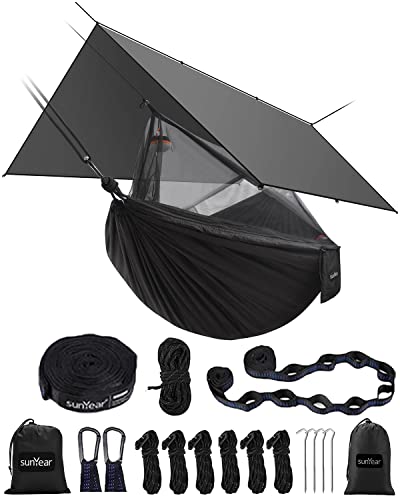
A tree tent is a specialized camping shelter designed to be suspended above the ground, typically anchored between two or more trees using durable straps and tension systems. Unlike a traditional camp shelter that rests on the ground, a tree tent uses a taut fabric platform that cradles the sleeper, distributing weight evenly and eliminating pressure points. This design makes it an excellent alternative to a portable cot or a hammock that can be used as a tent.
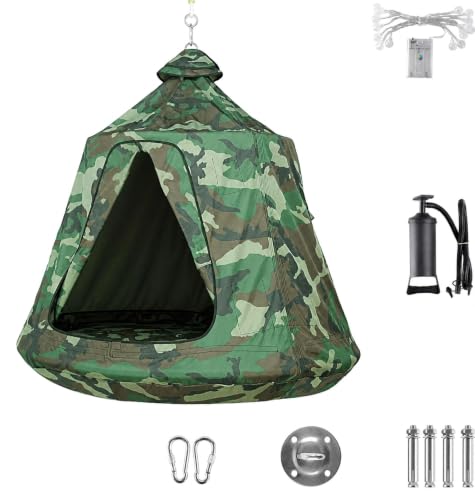
Most tree tents feature a triangular or dome-like shape with a built-in rainfly, insect mesh, and a structural frame that maintains the tent's shape even when suspended. They are particularly popular among campers who want to avoid rocky, wet, or uneven ground, and they offer a unique sleeping experience that blends the principles of a tent vs hammock debate into one innovative solution.
How Does a Tree Tent Stay Suspended?
The core mechanism of a tree tent involves a combination of tension and compression. The tent's frame—often made from aluminum or composite poles—creates a rigid structure that holds the fabric taut. Adjustable straps wrap around tree trunks, and a ratchet or buckle system tightens the tent into position. This is similar in principle to the tension system used in a strap hammock, but with a full enclosure.
Because the tent is suspended, it requires trees of appropriate diameter and spacing. Most manufacturers specify a minimum and maximum distance between anchor points. The suspension system also allows for leveling on sloped terrain, which is a major advantage over a pitching tent on uneven ground. For those who enjoy the concept of a floating tent or a tree tent, this design offers a stable, comfortable sleep system that minimizes ground contact.
Key Features to Evaluate in a Tree Tent
Suspension System
Entry-level tree tents often use simple webbing straps and manual tensioners. Mid-range models feature ratchet systems or cam buckles for easier setup. Premium tree tents include precision-engineered tensioners with safety locks and reflective elements for low-light visibility.
Frame & Structure
Aluminum alloy poles are standard in mid-tier and high-end tree tents, offering a balance of weight and durability. Budget-friendly options may use fiberglass or steel, which are heavier but still functional. The frame design determines how taut the sleeping platform remains.
Weather Protection
High-end tree tents include fully taped seams, waterproof ripstop fabrics, and integrated rainflys with excellent hydrostatic head ratings. Mid-priced models offer decent water resistance, while entry-level versions may require additional seam sealing.
Comfort & Capacity
Tree tents are available in solo, two-person, and even multi-person configurations. The sleeping area is typically a flat, taut surface that accommodates a sleeping pad or all-in-one sleeping bag and mattress. Ventilation is managed through mesh panels and adjustable vents.
Weight & Packability
Ultralight tree tents are designed for backpacking, often weighing under 5 pounds and packing into a compact stuff sack. Mid-range models prioritize durability over weight, while premium expedition models may include additional features like gear lofts and integrated storage pockets.
Ease of Setup
Luxury tree tents feature color-coded poles, intuitive tension systems, and sometimes even pre-attached straps. Setup time can range from a few minutes for premium models to 15–20 minutes for more complex entry-level designs.
Tree Tent vs. Traditional Ground Tent
Choosing between a tree tent and a traditional ground tent depends on your camping style, terrain, and priorities. A tree tent excels in areas with uneven, rocky, or wet ground, and it provides a level sleeping surface without the need for a portable cot or air mattress. It also offers better protection from ground-dwelling insects and moisture. However, tree tents require suitable trees, which limits their use in open fields, deserts, or above the treeline.
Traditional tents, such as a bell tent or a hot tent, are more versatile in terms of placement and often offer more interior space. For those who camp in state campgrounds or RV sites with designated tent pads, a ground tent is usually the more practical choice. If you're interested in a hybrid approach, a tent trailer or a roof top tent hard shell 4 person might be worth considering, but a tree tent remains unique in its suspended design.
Tree Tent Comparison by Tier
| Feature | Entry-Level | Mid-Range | Premium |
|---|---|---|---|
| Frame Material | Fiberglass or basic aluminum | Aluminum alloy | Aerospace-grade aluminum or composite |
| Suspension System | Manual webbing straps | Cam buckles or basic ratchets | Precision ratchets with safety locks |
| Weather Resistance | Basic water repellency | Waterproof with taped seams | Expedition-grade waterproofing |
| Weight | Heavier (7–10 lbs) | Moderate (5–7 lbs) | Ultralight (under 5 lbs) |
| Setup Time | 15–20 minutes | 10–15 minutes | 5–10 minutes |
| Best For | Occasional campers, backyard use | Regular campers, weekend trips | Backpackers, expedition use |
Setup and Safety Considerations
Setting up a tree tent requires careful attention to tree selection, strap placement, and tension. Always choose healthy, living trees with trunks at least 8–12 inches in diameter. Avoid dead branches or trees that may be unstable. The suspension straps should be positioned at a height that keeps the tent's base at least 12–18 inches above the ground, ensuring adequate clearance and minimizing impact on the tree.
For safety, never exceed the manufacturer's weight limit, and always inspect straps and buckles for wear before each trip. If you're camping in areas with wildlife, follow food storage rules and consider a bear spray vs gun strategy for personal protection. A tree tent can be a secure shelter, but it's not a substitute for proper campsite selection and Leave No Trace principles. For more on general camping safety, review our camping first aid kit recommendations and what to do if lost guide.
Who Is a Tree Tent Best For?
Tree tents are ideal for campers who frequently encounter uneven or wet terrain, such as in coastal campgrounds or river campgrounds. They are also a great choice for solo adventurers who want a lightweight, compact shelter that doesn't require a flat pitch. Families with older children may enjoy the novelty of a tree tent, but for younger kids, a 6 person dome tent with screen room or a 4 person cabin camping tent with instant setup might be more practical.
If you're a backpacker, a tree tent can replace a hammock that can be used as a tent and a hiking backpack with tent and sleeping bag setup. However, if you often camp in camping sites with tents already set up or campground resorts, a tree tent may not be necessary. For those who want the ultimate in convenience, a pop up tent you can stand up in or a 12 person 3 room instant cabin tent with screen room might be a better fit for group camping.
Maintenance and Care for Your Tree Tent
To extend the life of your tree tent, always clean and dry it thoroughly before storage. Dirt and moisture can degrade waterproof coatings and promote mildew. Check the suspension straps for fraying, and lubricate ratchets or buckles as needed. Store the tent in a cool, dry place, away from direct sunlight. If you're using your tree tent in winter, be aware that cold temperatures can make fabrics brittle; consider a heated tent or 4 season tent with stove jack for sale for extreme conditions. For general tent care, our guide on how long do tents last provides useful insights.
Frequently Asked Questions About Tree Tents
Can a tree tent be used on the ground?
Some tree tents can be pitched on the ground if the terrain is suitable and the frame allows it, but they are primarily designed for suspension. Ground setup may compromise stability and comfort. If you need a versatile shelter, a pole tent or a A-tent might be more appropriate.
Is a tree tent safe for trees?
Yes, when used correctly. Wide straps distribute weight and prevent damage to the bark. Avoid trees with thin bark or those that are too small. Follow Leave No Trace principles to minimize your impact.
How many people can a tree tent hold?
Tree tents are available in solo, two-person, and occasionally three-person capacities. Always check the manufacturer's weight limit and interior dimensions before buying. For larger groups, consider a 6 person instant cabin tent with awning 11 x 9 or a 8 person instant cabin tent with built-in LED lights.
Can I use a tree tent in winter?
Yes, but you'll need a model with a full rainfly and good insulation. Pair it with a winter sleeping bag and a sleeping suit for warmth. For extreme cold, a hot tent camping setup may be more suitable.
What is the weight limit for a tree tent?
Weight limits vary by model. Entry-level tree tents typically support up to 250 lbs, while premium models can handle 400 lbs or more. Always adhere to the specified limit for safety.
Ready to Elevate Your Camping Experience?
Explore our recommended tree tents and suspended camping gear below. Find the perfect model for your next adventure.
View Recommended Tree Tents