Roof Top Tent Hard Shell 4 Person: The Complete Guide for Family Overlanding
Everything you need to know before choosing a hard shell rooftop tent for four. Compare materials, mounting systems, comfort features, and weather protection to find the perfect fit for your adventures.
VIEW RECOMMENDED GEARWhy Choose a Hard Shell 4-Person Roof Top Tent? A hard shell rooftop tent offers faster setup, superior weather resistance, and a lower profile than traditional soft-shell models. For a family of four, it provides a secure, comfortable sleeping space that keeps you off the ground and away from moisture, insects, and uneven terrain.
What Is a Hard Shell Roof Top Tent for 4 People?
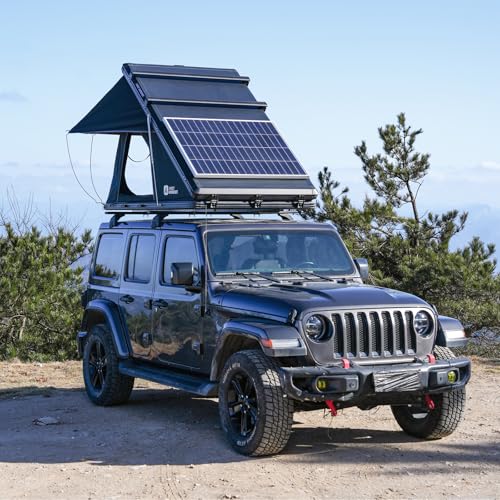
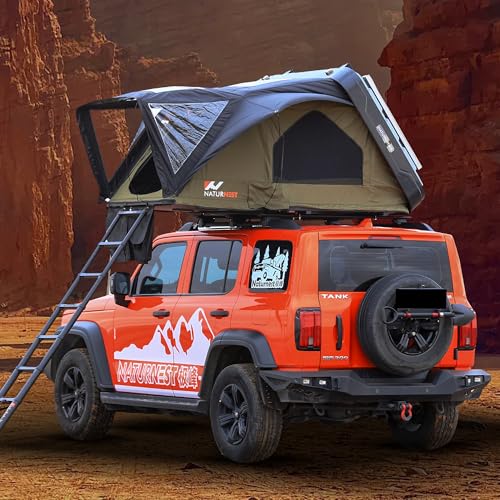
A hard shell rooftop tent (RTT) is a clamshell-style shelter that mounts on your vehicle's roof rack. Unlike soft-shell tents that fold out with fabric and poles, a hard shell tent uses a rigid, aerodynamic lid—usually made from ABS plastic, aluminum, or fiberglass—that pops open with gas struts in seconds. A 4-person hard shell roof top tent is specifically sized to sleep four adults or a family of four comfortably, with a larger footprint and often a thicker mattress than 2-person models.
These tents are popular among overlanders, road-trippers, and families who want a quick, dry, and elevated camping setup. If you are still comparing tent styles, our guide on tent vs hammock explores the trade-offs between different sleep systems. For those who prefer a soft-shell design with more interior volume, the 2 person hard shell roof top tent is a smaller alternative, while the hard shell roof top tent for truck covers truck-specific mounting.
Key Benefits of a 4-Person Hard Shell RTT
1. Fast Setup and Takedown
Hard shell tents typically deploy in under 60 seconds. You unlatch the shell, the gas struts lift the lid, and the tent is essentially ready. This is a massive advantage when you arrive at camp late or need to move quickly. For a family with kids, the simplicity reduces stress and lets you focus on enjoying the outdoors.
2. Superior Weather Protection
The hard shell lid seals tightly when closed, keeping rain, dust, and snow out during travel and while deployed. The rigid shell also sheds water and wind more effectively than fabric-only designs. If you frequently camp in wet or cold conditions, a hard shell is a reliable choice. Our article on camping in a tent in the rain offers additional tips for staying dry.
3. Comfort and Insulation
Most 4-person hard shell tents come with a high-density foam mattress—often 2 to 3 inches thick—that stays inside the tent permanently. The solid base and walls provide better insulation than ground tents, and the elevated position keeps you away from cold ground and crawling insects.
4. Aerodynamics and Vehicle Handling
Hard shell tents have a low, streamlined profile that reduces wind noise and drag compared to bulky soft-shell tents. This can improve fuel efficiency and make driving more stable, especially on highways.
5. Durability
The hard shell is built to withstand UV exposure, hail, and branches. With proper care, a quality hard shell tent can last for many seasons. For context on tent longevity, see our guide on how long do tents last.
What to Look for in a 4-Person Hard Shell Roof Top Tent
Sleeping Capacity and Dimensions
A true 4-person tent should have an interior footprint of at least 80 x 60 inches (queen-size equivalent or larger). Some models use a king-size mattress. Check the peak height—most hard shell tents offer 40 to 50 inches of headroom, which is enough to sit up but not stand. If standing room is a priority, you may need a larger soft-shell model like those in our camping tents you can stand up in guide.
Shell Material
Common materials include ABS plastic, aluminum, and fiberglass. ABS is lightweight and impact-resistant; aluminum is the most durable and premium option; fiberglass is a mid-range choice. All are weather-resistant, but aluminum tends to handle extreme conditions best.
Fabric and Season Rating
The tent body is usually made from ripstop polyester or nylon with a waterproof coating (often 3000mm+). Look for a 4-season rating if you camp in cold or snowy conditions. Our article on 4 season tent with stove jack for sale discusses features for extreme weather, and is nylon or polyester better for tents explains fabric trade-offs.
Mounting System
Most hard shell tents mount to crossbars using a universal bracket system. Ensure your vehicle's roof rack has a dynamic weight capacity of at least 165 pounds (the tent itself plus the weight of occupants when static—check your vehicle's manual for static weight limits, which are usually much higher). For truck-specific setups, see roof top tent mounted on truck bed and roof top tent for full size truck.
Ladder and Access
A telescoping aluminum ladder is standard. It should extend to the height of your vehicle's roof and have wide, non-slip rungs. Some tents include a ladder that stores inside the shell.
Ventilation and Condensation
Look for mesh windows with rain flies and a roof vent. Condensation can be an issue in hard shell tents because the shell traps moisture; an anti-condensation mat under the mattress helps. See our guide on anti-condensation mat for roof top tent for solutions.
Additional Features
- LED lighting: Some tents include built-in LED strips.
- Storage pockets: For phones, glasses, and small items.
- Skyview windows: For stargazing.
- Awning compatibility: Many hard shell tents can attach an awning or annex.
Hard Shell vs Soft Shell: Which Is Right for You?
Hard shell tents excel in quick setup, weather resistance, and aerodynamics. Soft shell tents offer more interior space, often include a vestibule, and can be more affordable at the entry-level tier. For a family of four, a hard shell is ideal if you prioritize convenience and durability. If you need maximum living space, a soft shell might be better. For a direct comparison, read our article on campground vs wild camping to understand how your camping style influences tent choice.
Mounting a 4-Person Hard Shell Tent on Your Vehicle
Before purchasing, verify your roof rack's dynamic and static weight limits. The tent alone may weigh 130–180 pounds; four adults add another 600+ pounds when static. Most vehicles require aftermarket roof racks rated for the load. For cars, SUVs, and trucks, the mounting process is similar: attach the tent's base rails to your crossbars with the provided brackets, then tighten. Always use a torque wrench and check bolts after the first trip.
If you drive a truck, you have additional options like bed racks. Our guides on tents for the back of pickup trucks and tents for the back of your truck cover alternatives. For car owners, tent for the top of a car and pop up tent on top of car provide context on roof-mounted options.
Comfort and Sleep Quality in a 4-Person Hard Shell Tent
The included mattress is usually comfortable, but you can add a mattress topper for extra cushioning. If you suffer from back pain, consider a memory foam topper—see our recommendations for memory foam mattress topper for bad back. For couples or families, a double blow up bed with built in pump can supplement the built-in mattress if you prefer a different firmness.
Temperature regulation is important. In cold weather, use a winter sleeping bag—our winter sleeping bags guide covers ratings. In hot weather, open the mesh windows and consider a portable fan. For more on staying warm, see keeping a tent warm in cold weather and sleeping in a tent in cold weather.
Weather Protection and Seasonal Use
Hard shell tents are excellent in rain and snow. The solid lid prevents water pooling, and the fabric is typically waterproof. However, you should still seam-seal the tent periodically and ensure the rain fly is properly tensioned. In winter, condensation can freeze inside; use a portable camping hiking hunting wood stove tent heater only in tents designed for stove use (never use a stove in a hard shell tent unless explicitly rated). For cold-weather camping, see camping in the winter in a tent and winter camping.
If you camp in snowy regions, our guide on setting up a tent in the snow offers tips. And for avalanche safety, read avalanche safety.
Maintenance and Care
- Clean the shell with mild soap and water; avoid abrasive cleaners.
- Dry the tent thoroughly before closing to prevent mold.
- Lubricate gas struts and hinges annually.
- Check mounting bolts before every trip.
- Store the tent in a dry, cool place during off-season.
For general tent care, see how long do tents last.
Alternatives to a 4-Person Hard Shell Roof Top Tent
If a hard shell RTT isn't right for you, consider these alternatives:
- Soft shell RTT: More space, often includes annex. See roof top tent for full size truck.
- Ground tents: A 4 person cabin camping tent with instant setup or 4 man tent with air beds and sleeping bags.
- Pop-up campers: Pre-owned pop up campers for sale and campers that can be pulled by a car.
- Truck bed tents: Tents for the back of your truck.
Frequently Asked Questions
Can a 4-person hard shell roof top tent fit on a sedan?
Most sedans cannot support the weight of a 4-person hard shell tent (typically 130–180 lbs) plus occupants. You need a vehicle with a roof rack rated for at least 165 lbs dynamic and 600+ lbs static. SUVs, trucks, and vans are better suited.
How long does it take to set up a hard shell RTT?
Most hard shell tents can be deployed in 30–60 seconds. You simply unlatch the shell, and the gas struts lift it. Takedown is similarly quick—pull the shell down and latch it.
Is a hard shell tent good for winter camping?
Yes, hard shell tents handle snow and cold well, but condensation can be an issue. Use an anti-condensation mat and ventilate properly. For extreme cold, consider a 4-season soft shell with a stove jack.
Can I leave bedding inside a hard shell tent?
Yes, most people leave sleeping bags, pillows, and even a mattress topper inside. The shell closes securely, protecting bedding from weather and dust.
Do I need a roof rack to mount a hard shell tent?
Yes, you need a roof rack with crossbars. Most tents include universal mounting brackets that fit standard crossbars. Always check your vehicle's weight limits.
Final Thoughts
A roof top tent hard shell 4 person is a fantastic investment for families and overlanders who value quick setup, durability, and comfort. By understanding the key features—shell material, mounting, ventilation, and season rating—you can choose a tent that fits your vehicle and camping style. Remember to verify your roof rack's weight capacity and practice setting up the tent at home before your first trip.
For more help, explore our camping FAQ and first time camping tips. And if you're still deciding between tent types, our how to choose tent size guide is a great resource.
Ready to Upgrade Your Camping Setup?
Browse our recommended hard shell roof top tents for 4 people and find the perfect match for your vehicle and adventures.
SEE RECOMMENDED TENTS