Strap Hammock: The Ultimate Guide to Suspension, Setup, and Comfort
Everything you need to know about choosing and using a strap hammock for tree-friendly, comfortable camping.
Read the GuideIf you're searching for a strap hammock, you're likely in the research phase—you know you want a hammock, but you're not sure which suspension system is right for you. This guide will walk you through everything you need to know about strap hammocks, from how they work to why they're the preferred choice for environmentally conscious campers. We'll cover setup techniques, care tips, and what to look for when buying, so you can make an informed decision with confidence.
Unlike traditional hammocks that use thin ropes, a strap hammock utilizes wide, flat webbing straps to wrap around trees. This design is not just a minor detail—it's a fundamental improvement that protects trees, increases safety, and makes setup easier. For anyone serious about Leave No Trace principles, strap hammocks are the gold standard.
What Exactly Is a Strap Hammock?
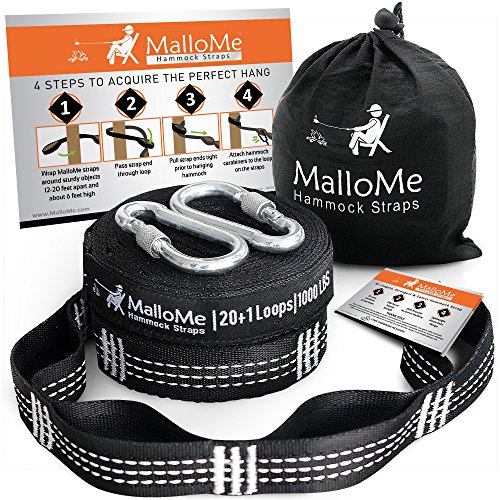
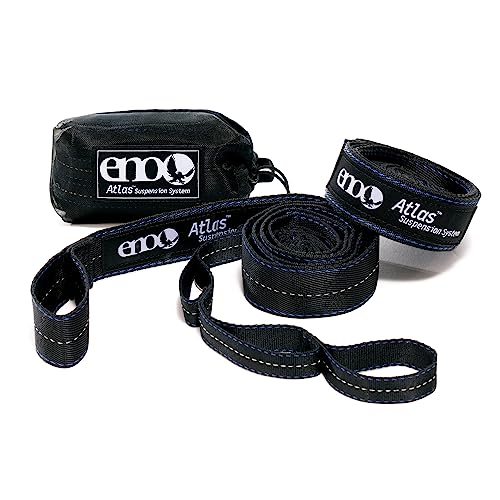
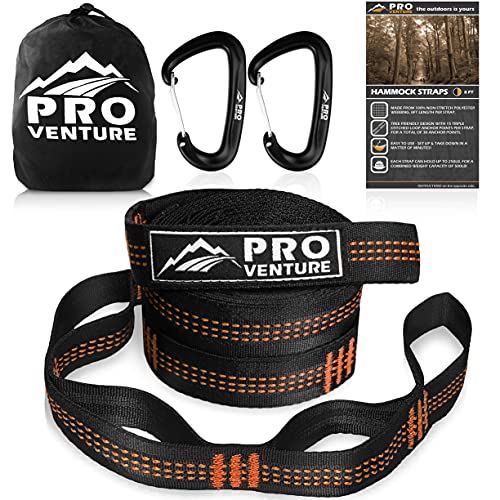
A strap hammock is a camping hammock that comes with—or is designed to be used with—wide tree straps as its primary suspension system. These straps are typically made from strong, durable materials like polyester or nylon webbing, and they are at least one inch wide (often wider). The hammock itself is usually a gathered-end or bridge-style design, and it connects to the straps via carabiners, whoopie slings, or continuous loops.
The key distinction is the strap. Instead of tying a rope around a tree, you wrap the strap around the trunk and attach your hammock to it. This simple change has profound benefits for both the camper and the environment. If you're new to hammock camping entirely, you might also want to explore collapsible hammocks and netting hammocks to understand the full range of options.
Strap hammocks are part of a broader category of camping gear that includes camp shelters and tent pitching equipment. While a hammock isn't a tent, it serves a similar purpose: a comfortable, elevated place to sleep in the outdoors. Many campers prefer hammocks for their light weight and ease of setup, especially in areas where flat ground is scarce.
Why Choose a Strap Hammock Over Other Suspension Systems?
There are several compelling reasons to choose a strap hammock over alternatives like rope-only suspensions or chain links. Let's break down the main advantages:
1. Tree Protection
This is the most important reason. Trees have a thin layer of tissue called the cambium just beneath the bark, which is responsible for transporting nutrients and water. Thin ropes can cut into this layer, causing lasting damage or even killing the tree. Wide straps distribute the load over a larger surface area, reducing pressure and preventing damage. Many public parks and wilderness areas now require hammock campers to use straps at least one inch wide—and some even mandate two-inch straps. Using a strap hammock ensures you're compliant with national park rules and state park rules.
2. Ease of Setup
Straps are much easier to work with than thin ropes. They don't tangle as easily, they're simple to wrap around a tree, and they don't require complex knots. Most strap hammock systems use carabiners or loops that clip directly onto the strap, making setup a breeze even for beginners. If you're new to camping, check out our first-time camping tips for more advice.
3. Adjustability
Strap hammocks offer excellent adjustability. You can easily fine-tune the height and angle of your hang by moving the attachment point along the strap. This is crucial for achieving a comfortable, flat lie—the holy grail of hammock camping. A proper 30-degree hang angle is easy to achieve with straps, but difficult with fixed-length ropes.
4. Durability
High-quality webbing straps are extremely strong and abrasion-resistant. They can withstand the elements and heavy use far better than thin ropes, which can fray or snap. A good set of straps will last for many seasons, making them a wise investment. When you consider the longevity of your gear, the value becomes clear.
5. Versatility
Strap hammocks can be used in a wider variety of environments. They work well with large trees, small trees, and even rocks or posts in some cases. This versatility makes them suitable for everything from backyard relaxation to backcountry expeditions. If you're interested in exploring different camping styles, you might also look into overland camping or river camping, where hammocks are often a great choice.
How to Set Up a Strap Hammock: A Step-by-Step Guide
Setting up a strap hammock is straightforward, but following the right steps ensures a safe, comfortable, and tree-friendly experience. Here's how to do it:
Step 1: Choose the Right Trees
Look for two healthy trees that are 12 to 15 feet apart. The trees should be at least 6 inches in diameter and have no dead branches that could fall on you. Avoid trees with soft or peeling bark, as they may be more susceptible to damage. Also, check local regulations—some areas have specific rules about which trees can be used.
Step 2: Wrap the Straps
Wrap each strap around a tree at a height that allows you to comfortably sit in the hammock. A good starting point is about 6 to 8 feet off the ground. Pass the end of the strap through the loop or buckle to secure it. Make sure the strap is flat against the tree and not twisted.
Step 3: Attach the Hammock
Clip your hammock's carabiners onto the straps. If your hammock uses whoopie slings or continuous loops, attach them according to the manufacturer's instructions. Ensure all connections are secure and tight.
Step 4: Adjust the Hang
Lie in the hammock to test the angle. Ideally, you want a 30-degree angle from the suspension point to the hammock. If the hammock is too tight, move the straps higher up the tree. If it's too loose, move them lower. Adjust until you find a comfortable, flat lie. For more detailed instructions, see our guide on tent vs hammock camping.
Step 5: Check for Safety
Before you settle in, double-check that all straps are secure and that the trees are not damaged. Never hang your hammock higher than you're willing to fall. Always follow campfire safety rules and other safety guidelines when camping.
What to Look for in a Strap Hammock
When shopping for a strap hammock, there are several factors to consider. This section will help you understand the key features and make a smart purchase.
Strap Width and Material
The width of the strap is critical for tree protection. Look for straps that are at least 1 inch wide, but 1.5 to 2 inches is even better. Polyester webbing is the most common material because it's strong, UV-resistant, and doesn't stretch much. Nylon is also used but can stretch over time. For the best tree protection, wider is always better.
Hammock Type
Strap hammocks come in two main types: gathered-end and bridge. Gathered-end hammocks are the most common and are made from a single piece of fabric gathered at the ends. They're comfortable and affordable. Bridge hammocks have a spreader bar at each end, which creates a flatter sleeping surface. They're great for side sleepers but are heavier and more complex. Your choice depends on your comfort preferences and budget tier.
Weight and Packability
If you're backpacking, weight is a major concern. Strap hammocks can range from ultralight (under 1 pound) to heavier models (2-3 pounds). The straps themselves add weight, so consider whether you need ultralight straps or if standard straps will do. For backpacking, look for a system that balances weight and durability. You might also want to read our guide on backpacking for beginners.
Suspension System
Most strap hammocks come with a suspension system that includes the straps, carabiners, and sometimes whoopie slings or continuous loops. Some hammocks come with everything you need, while others require you to buy straps separately. Make sure you know what's included. Carabiners should be climbing-grade and have a high weight rating.
Comfort Features
Look for hammocks with features that enhance comfort, such as a built-in bug net, a ridgeline, or a double-layer design for insulation. Some hammocks also have pockets for storing small items. If you plan to camp in cold weather, consider a winter camping hammock setup with an underquilt.
Quality Tiers
Strap hammocks are available in various quality tiers. Entry-level models are typically heavier and made from basic materials, but they work fine for casual use. Mid-range models offer better materials, lighter weight, and more features. Premium models are designed for serious backpackers and feature ultralight fabrics, advanced suspension systems, and superior craftsmanship. Choose the tier that matches your intended use.
| Feature | Entry-Level | Mid-Range | Premium |
|---|---|---|---|
| Strap Width | 1 inch | 1.5 inches | 2 inches |
| Material | Basic Polyester | High-Tenacity Polyester | Dyneema or Ultralight Webbing |
| Weight | Heavier | Moderate | Ultralight |
| Suspension | Basic Carabiners | Whoopie Slings | Continuous Loops & Titanium Hooks |
| Durability | Good | Very Good | Excellent |
Caring for Your Strap Hammock
Proper care will extend the life of your strap hammock and keep it safe to use. Here are some essential tips:
- Clean your straps: After each trip, inspect your straps for dirt, sap, or damage. Wash them with mild soap and water, then air dry completely before storing.
- Avoid sharp edges: Never wrap straps around sharp rocks or branches that could cut the webbing. Always use tree-friendly practices.
- Store properly: Keep your hammock and straps in a dry, cool place away from direct sunlight. UV rays can degrade webbing over time.
- Inspect regularly: Check for fraying, cuts, or worn areas. If you find any damage, replace the straps immediately. Your safety depends on it.
- Respect wildlife: When camping, follow food storage rules and bear safety guidelines to keep animals away from your campsite.
Frequently Asked Questions About Strap Hammocks
What is a strap hammock?
A strap hammock is a camping hammock that uses wide, flat webbing straps to suspend it between two trees, instead of thin ropes. This design protects tree bark and provides a more secure and adjustable setup.
How do I set up a strap hammock?
To set up a strap hammock, wrap the straps around two healthy trees at a comfortable height, then attach the hammock's carabiners or loops to the strap. Adjust the straps to achieve a 30-degree hang angle for optimal comfort.
Are strap hammocks safe for trees?
Yes, strap hammocks are considered tree-friendly because their wide straps distribute weight evenly, reducing damage to the bark and cambium layer. Always use straps that are at least 1 inch wide to minimize impact.
Can I use a strap hammock for backpacking?
Absolutely. Many strap hammocks are designed specifically for backpacking and are lightweight and packable. Look for models that come with ultralight straps and a compact stuff sack. For more tips, see our backpacking checklist.
What is the best hang angle for a hammock?
The ideal hang angle is about 30 degrees from the suspension point to the hammock. This angle provides the most comfortable, flat lie and reduces stress on the straps and trees. You can adjust the angle by moving the straps up or down the tree.
Do I need a bug net with my strap hammock?
It depends on where and when you camp. In warmer months or in areas with lots of insects, a bug net is highly recommended. Many strap hammocks come with integrated bug nets, or you can buy a separate net. Check our mosquito protection guide for more tips.
Final Thoughts on Strap Hammocks
A strap hammock is more than just a piece of gear—it's a commitment to responsible camping. By choosing a strap hammock, you're protecting trees, ensuring your own safety, and enjoying a more comfortable night's sleep. Whether you're a casual camper or a serious backpacker, a strap hammock is a worthwhile investment.
As you continue your research, explore our other guides on camping gear, camping checklists, and camping safety to build a complete outdoor kit. And remember, the best gear is the gear that gets used—so get out there and enjoy the outdoors responsibly.