All-in-One Sleeping Bag and Mattress: The Ultimate Integrated Sleep System
Tired of rolling off your pad or wrestling with separate gear? Discover how a 2-in-1 sleep system can slash setup time, save pack weight, and deliver the most comfortable night under the stars.
Key Takeaway: An all-in-one sleeping bag and mattress integrates your insulation layer and cushioned base into a single unit. This eliminates pad slippage and cold spots, making it a game-changer for car camping comfort and lightweight backpacking efficiency.
What Exactly Is an All-in-One Sleep System?
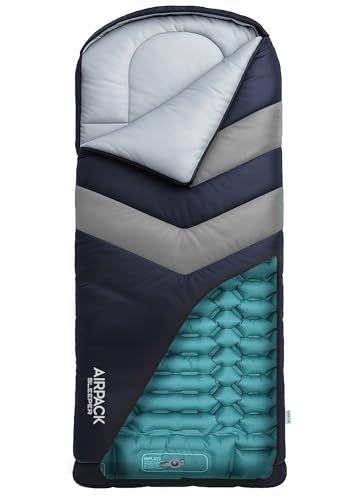
Unlike a traditional setup where you layer a separate camping mat or air pad beneath a sleeping bag, an integrated system physically connects the two. The mattress sleeve is often built directly into the bottom of the bag, or the bag zips securely onto a dedicated pad. This design solves the age-old problem of drifting off your mattress during the night, especially on uneven ground found at a primitive camping site.
These units are designed to maximize thermal efficiency. By eliminating the air gap between you and the pad, they boost the effective R-value and temperature rating. Whether you're setting up a quick cot in a camping tent or sleeping in the back of your vehicle, the all-in-one design is the most streamlined way to ensure a stable, warm rest.
Why Choose an Integrated System?
For families juggling gear or solo hikers counting ounces, the speed of deployment is unmatched. Roll it out, inflate (if necessary), and your bed is made. This simplicity is particularly valuable for first-time campers who might feel overwhelmed by complex gear setup. It ensures a flat, even sleeping surface that feels more like a real bed.
Pros and Cons of a 2-in-1 Camping Bed
Advantages
- Zero Slippage: The bag stays perfectly aligned with the pad all night, even if you toss and turn.
- Superior Warmth: No cold drafts sneaking in through the side gaps; ideal for winter camping.
- Fast Setup: Unroll and go. Perfect for late-night arrivals at camping destinations.
- Space-Saving: Great for smaller tents or truck beds where a slipping pad takes up too much room.
Disadvantages
- Bulkier Roll: The combined unit can be larger to pack than separate, compressible components.
- Limited Modularity: You cannot swap out the pad for a thicker one or use the bag alone for a camping hammock.
- Drying Difficulty: If the fixed pad gets wet, drying the deep seams takes longer than a standalone mat.
- Cost: Quality integration often comes at a premium price, usually $200+.
Types of Integrated Sleep Systems
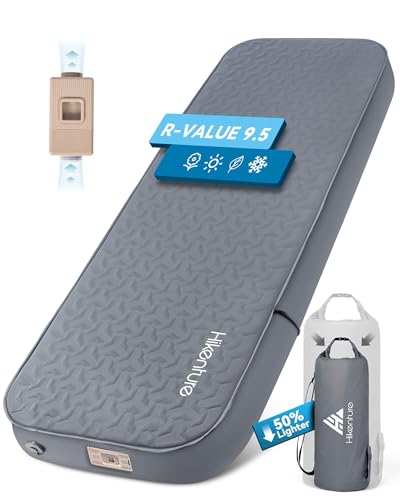
There are generally two camps of these systems. The first is the Self-Inflating Foam Hybrid, which uses open-cell foam laminated to the bag. This style is incredibly durable and puncture-resistant, making it suitable for rough terrain or dispersed camping where ground debris is common. The second is the Air Beam/Pad Sleeve Style, which pairs a high-loft down or synthetic bag with a dedicated high-R-value air chamber. These are lighter and pack smaller, ideal for backpacking checklists where weight is critical.
Essential Buying Considerations
When choosing your system, temperature rating should be your first filter. If you plan on winter camping, look for a combined R-value above 5.0 and a comfort limit below 20°F. For summer trips, ventilation is key; look for two-way zippers that let you vent the top while keeping the mattress connected. Budget-conscious buyers can find excellent self-inflating options around $150, while high-end down systems with air beams frequently exceed $400. Don't forget to verify the packed dimensions to ensure it fits in your camping backpack or car trunk alongside other camping essentials.
Top Pick Comparison
| Feature | Budget Self-Inflating | Premium Air-Beam |
|---|---|---|
| Price Range | $150 – $250 | $350 – $600+ |
| Pack Size | Large (25" x 10" roll) | Compact (14" x 8" stuff sack) |
| Warmth (R-Value) | 4.5 – 6.0 | 3.5 – 7.0 |
| Best For | Car camping, base camp | Backpacking, alpine |
| Durability | Extremely high (foam core) | Moderate (requires care with punctures) |
How to Maintain Your Integrated Sleep System
Because you can't easily separate the bag from the pad, proper storage is vital. Never store it tightly compressed for long periods; the foam in self-inflating models can lose memory, and the insulation in air-beam models can degrade. Hang it in a closet or lay it flat under a bed. Always ensure the system is 100% dry before storage to prevent mildew. If you're camping in damp conditions, a camping tarp placed under your tent floor adds an extra layer of moisture protection.
For spot cleaning, use a gentle, Nikwax-approved cleaner to maintain the water-repellent finish of the shell. Avoid machine washing large integrated units, as the weight of the waterlogged foam can tear the baffles. A large basin or bathtub is safer for a deep clean. After a muddy trip, simply unzip fully, wipe down the mattress side, and let it air dry completely before your next adventure.
Who Should Buy This?
This system is perfect for campers who prioritize comfort and convenience over modularity. If you consistently find yourself adjusting your pad in the middle of the night, or if you hate the "crinkling" noise of separate air pads, the integrated design is a revelation. It's also an excellent choice for family camping trips where kids frequently kick off blankets, as the fixed attachment keeps the bedding secure. For solo adventurers who need to save weight but still want a plush sleeping experience, the high-end air-beam models offer a compelling alternative to a traditional camping bed.