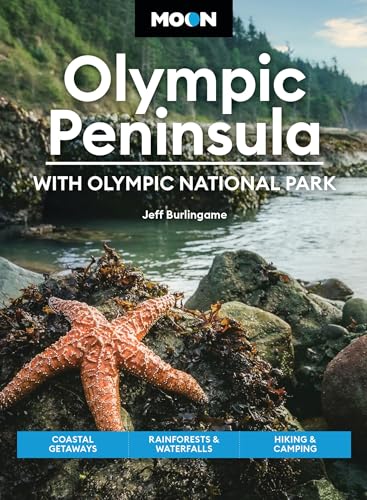
Coastal Campgrounds: Your Complete Guide to Seaside Camping
Everything you need to know about oceanfront campsites, beach camping gear, and the most spectacular coastal destinations for your next outdoor adventure.
Coastal campgrounds offer a camping experience unlike any other. The sound of waves crashing against the shore, the smell of salt air, and the breathtaking sunsets over the ocean create a truly magical atmosphere. Whether you're pitching a tent on a sandy beach, parking your RV with an ocean view, or staying in a cozy cabin near the dunes, seaside camping combines the tranquility of nature with the majesty of the sea. This comprehensive guide will walk you through everything you need to know to plan the perfect coastal camping trip, from choosing the right camping tent to understanding reservation systems and respecting delicate coastal ecosystems.
Why Coastal Campgrounds Are Worth It
🌊 Oceanfront Access
Wake up to the sound of waves and step directly onto the sand. Coastal campgrounds provide immediate access to swimming, surfing, tide pooling, and beachcombing. Many sites offer unobstructed ocean views that make every morning feel like a vacation.
🌅 Spectacular Sunsets
There's nothing quite like watching the sun dip below the horizon over the ocean. Coastal campgrounds are positioned for optimal sunset viewing, creating unforgettable memories for couples, families, and solo adventurers alike.
🦅 Wildlife & Nature
Coastal areas are rich in biodiversity. From seabirds and marine mammals to unique coastal flora, camping near the ocean offers incredible opportunities for wildlife observation and nature photography.
🎣 Recreational Activities
Fishing, kayaking, paddleboarding, surfing, and beachcombing are just some of the activities available at coastal campgrounds. Many locations offer equipment rentals and guided tours for beginners.
🌡️ Moderate Climate
Coastal areas typically enjoy milder temperatures than inland regions, making them ideal for camping during hot summer months. The ocean breeze provides natural cooling and creates a comfortable environment.
🏕️ Diverse Camping Options
From primitive beach sites to full-hookup RV resorts, coastal campgrounds cater to every style of camper. Whether you prefer rugged seaside camping or luxury glamping, there's a perfect spot for you.
Types of Coastal Campgrounds
Oceanfront Campgrounds
These premium sites offer direct beach access, often with campsites just steps from the water. Oceanfront campgrounds are highly sought after and typically require advance reservations. They're perfect for those who want to fall asleep to the sound of waves and wake up to panoramic ocean views. Many oceanfront campgrounds provide amenities like fire rings, picnic tables, and clean restroom facilities. Some even offer RV hookups for those traveling with larger rigs.
Beach Camping Areas
For a more rustic experience, beach camping allows you to pitch your tent directly on the sand. These areas often have fewer amenities but offer unparalleled proximity to the ocean. Beach camping requires special considerations, including tide awareness, wind protection, and sand-friendly equipment. Check out our guide on setting up a tent on the beach for essential tips.
Coastal State Parks
State parks along the coast offer a balance between natural beauty and modern conveniences. These campgrounds typically include restrooms, showers, and sometimes even electrical hookups. They're excellent choices for families and those new to coastal camping. Many state campgrounds have interpretive programs and guided nature walks, adding educational value to your trip.
Coastal RV Resorts
For those who prefer the comforts of home while enjoying the ocean, coastal RV resorts provide full hookups, swimming pools, clubhouses, and organized activities. These resorts are ideal for extended stays and snowbird travelers. They often feature RV sites with concrete pads, cable TV, and Wi-Fi access. Some luxury resorts even offer private beach access and concierge services.
Essential Gear for Coastal Camping
Camping near the ocean presents unique challenges that require specialized gear. Sand, salt, wind, and moisture can quickly damage equipment not designed for coastal conditions. Here's what you need to pack for a successful seaside camping trip.
🛡️ Sand-Friendly Shelter
Choose a tent with a sturdy frame and sand stakes or sandbags for anchoring. Look for tents with sealed seams and waterproof materials to handle coastal humidity. A camping canopy can provide additional shade and wind protection. Consider a rain fly for unexpected coastal showers.
💨 Wind Protection
Coastal winds can be relentless. Pack a windbreak or screen to create a sheltered area around your campsite. A portable canopy with sandbags works well. Secure all loose items and consider a lower-profile tent design to minimize wind resistance.
🧴 Corrosion-Resistant Equipment
Salt air accelerates corrosion on metal gear. Opt for stainless steel or aluminum cookware, and rinse all equipment with fresh water after your trip. Apply a protective coating to metal poles and zippers. A camping cooler with rust-proof hardware is essential for keeping food fresh.
🌞 Sun Protection
UV rays are stronger near the water. Pack high-SPF sunscreen, wide-brimmed hats, sunglasses, and UV-protective clothing. A beach umbrella or portable gazebo provides essential shade during peak sun hours. Don't forget a beach camping shelter for extra protection.
💧 Fresh Water Supply
Fresh water is often limited at coastal campgrounds. Bring a reliable water filter or purification system. A water filter is essential for backcountry coastal sites. Pack collapsible water containers to minimize weight and space.
🔥 Fire Safety
Coastal winds can spread fire quickly. Always check local fire regulations before building a campfire. Use a fire ring or portable fire pit, and never leave flames unattended. Learn more in our guide to campfire safety rules.
Best Coastal Campground Destinations
West Coast: Oregon & California
The West Coast offers some of the most dramatic coastal camping in the United States. Oregon's coastline features rugged cliffs, sea stacks, and temperate rainforests. Oregon Coast camping provides access to iconic locations like Cannon Beach, Tillamook Head, and the Oregon Dunes. California's coastline stretches over 800 miles, offering everything from California beach camping in Malibu to rugged SoCal campgrounds in San Diego County. For a truly unique experience, consider camping near the cliff camping areas of Big Sur.
East Coast: Maine to Florida
The East Coast offers a diverse range of coastal camping experiences. Maine's rugged coastline is perfect for those seeking solitude and natural beauty. Maine coast camping provides access to Acadia National Park and charming seaside towns. Moving south, the Carolina campgrounds offer warm waters and sandy beaches. Florida's coast features subtropical camping opportunities, with Florida Springs camping offering a unique freshwater coastal experience.
Great Lakes Coastal Camping
The Great Lakes offer a freshwater coastal experience that rivals the ocean. Michigan's Sleeping Bear Dunes camping provides stunning views of Lake Michigan and towering sand dunes. The lakeside campsites along the Great Lakes offer swimming, boating, and fishing in a setting that feels like the ocean but with fresh water.
Planning Your Coastal Camping Trip
Research and Reservations
Coastal campgrounds are in high demand, especially during summer months. Most popular destinations require reservations months in advance. Use camping reservation apps to secure your spot early. Understand the cancellation policies before booking, as plans can change. For those who prefer spontaneity, some campground rentals offer first-come, first-served sites.
Understanding Tides and Weather
Coastal camping requires awareness of tides and weather patterns. Check tide charts before setting up camp, especially for beach camping. A weather app is essential for monitoring conditions. Coastal weather can change rapidly, so always be prepared for rain, wind, and temperature fluctuations. Our guide to camping weather alerts can help you stay informed.
Leave No Trace Principles
Coastal ecosystems are fragile and easily damaged by human activity. Follow Leave No Trace principles to minimize your impact. Pack out all trash, stay on designated trails, and respect wildlife habitats. Remember that national park rules and state park rules apply to coastal campgrounds as well.
Safety Considerations for Coastal Camping
🌊 Rip Current Awareness
Rip currents are the leading cause of beach-related drownings. Learn to identify rip currents and know how to escape them. Always swim near lifeguards when possible, and never swim alone. Check local beach warnings before entering the water.
☀️ Sun and Heat Safety
Coastal sun exposure can lead to heat exhaustion and sunburn. Stay hydrated, take breaks in the shade, and use high-SPF sunscreen. Learn to recognize the signs of heatstroke and take immediate action if symptoms appear.
🐚 Wildlife Safety
Coastal areas are home to diverse wildlife, some of which can be dangerous. Never approach seals, sea lions, or other marine mammals. Be cautious of jellyfish and other stinging creatures. Store food securely to avoid attracting animals to your campsite.
🪨 Terrain Awareness
Coastal terrain can be treacherous, with slippery rocks, unstable cliffs, and shifting sand. Wear appropriate footwear with good traction. Avoid walking on wet rocks near the water's edge, and never turn your back on the ocean.
🔥 Fire Safety
Coastal winds can quickly spread fire. Always check for fire bans before building a campfire. Use designated fire rings, keep fires small, and completely extinguish them before leaving. Learn more in our fire ban guide.
🆘 Emergency Preparedness
Cell service can be spotty at coastal campgrounds. Carry a satellite communicator or emergency beacon for remote areas. Know the location of the nearest ranger station and hospital. Pack a comprehensive first aid kit.
Coastal Camping with Families and Pets
Coastal campgrounds are fantastic for family trips, offering a mix of adventure and relaxation. When camping with children, choose campgrounds with calm waters, lifeguards, and family-friendly amenities. Many coastal campgrounds offer junior ranger programs and organized activities. For those bringing pets, check camping with dogs rules and pet-friendly camping policies before booking. Not all beaches allow dogs, so research in advance. A family camping checklist can help ensure you don't forget essential items.
Coastal Camping in Different Seasons
Summer Coastal Camping
Summer is peak season for coastal camping, offering warm weather and ideal beach conditions. However, this also means crowds and higher demand for campsites. Book early and expect busy beaches. Summer is perfect for swimming, surfing, and water sports. Don't forget your summer camping checklist.
Spring and Fall Coastal Camping
Spring and fall offer milder temperatures and fewer crowds. These seasons are ideal for those who prefer a quieter experience. Spring brings wildflowers and migrating birds, while fall offers crisp air and stunning sunsets. Just be prepared for cooler evenings and possible rain. A spring camping checklist or fall camping checklist will help you pack appropriately.
Winter Coastal Camping
Winter coastal camping is for the adventurous. Storm watching, solitude, and dramatic seascapes await those willing to brave the cold. Some coastal campgrounds remain open year-round, offering a unique winter experience. However, winter camping safety is crucial, and you'll need proper gear for cold, wet conditions. A winter camping checklist can help you prepare.
Coastal Camping FAQ
Do I need a reservation for coastal campgrounds?
Most popular coastal campgrounds require reservations, especially during peak season. Some first-come, first-served sites exist, but they fill up quickly. Use camping reservation apps to check availability and book in advance. For more information, see our guide on whether you need a reservation.
What is the best time of year for coastal camping?
The best time depends on your preferences. Summer offers warm weather and lively beaches but comes with crowds. Spring and fall provide milder temperatures and fewer people. Winter is for those seeking solitude and storm watching. Check our guide on the best time to camp for more details.
How do I protect my gear from sand and salt?
Use waterproof bags and covers for all gear. Rinse metal equipment with fresh water after your trip to prevent corrosion. Choose tents with sealed seams and sand stakes for anchoring. A waterproof tarp can protect your campsite from sand and moisture.
Can I have a campfire at a coastal campground?
Fire regulations vary by location. Some coastal campgrounds allow fires in designated rings, while others prohibit them entirely due to wind and environmental concerns. Always check local rules and our campfire regulations guide before building a fire.
What should I do if I encounter wildlife at a coastal campground?
Observe wildlife from a safe distance and never feed or approach animals. Store food securely in your vehicle or a bear-proof container. Learn about local wildlife before your trip, and follow any specific guidelines provided by the campground. See our food storage rules for more information.
Ready to experience the magic of coastal camping? Start planning your seaside adventure today and discover why oceanfront campgrounds are among the most sought-after destinations for outdoor enthusiasts.
Start Planning Your Trip