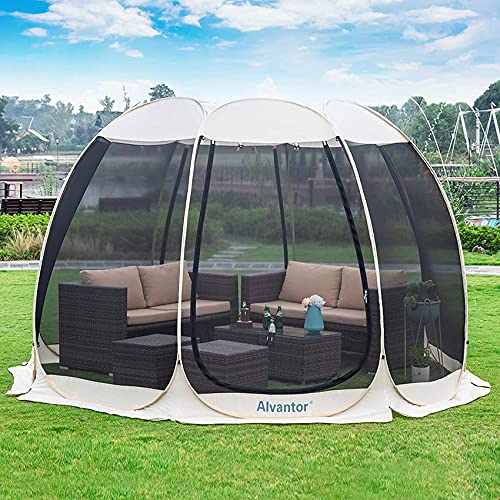
Screen Tent Guide: Best Screened Shelters for Camping & Outdoors
Discover how a screen tent can transform your outdoor experience by providing bug-free ventilation, shade, and a comfortable space to relax. Learn which type fits your camping style.
START EXPLORINGWhy a Screen Tent? A screen tent—also known as a screened canopy or screen room—is one of the most versatile outdoor shelters you can own. It keeps biting insects out while letting fresh air in, making it ideal for camping, picnics, backyard gatherings, and even beach trips. Unlike a traditional outdoor tent, a screen tent prioritizes ventilation and visibility over complete weather protection, though many models offer rain flies for light showers. Whether you need a pop-up gazebo for quick setup or a canopy with walls for added privacy, understanding the differences is key to choosing the right shelter.
What Exactly Is a Screen Tent?
A screen tent is a freestanding or semi-freestanding shelter constructed with mesh walls and a solid roof. The mesh panels allow airflow while blocking mosquitoes, flies, and other pests. Many models feature a water-resistant roof and optional rain flaps that can be deployed during light rain. Screen tents come in various shapes and sizes, from small pop-up tents for the back of a car to large 12x12 canopy tents that can accommodate a full dining set. They are distinct from shade tents, which typically use solid fabric walls for sun protection rather than mesh.
When researching easy set up screen tents for camping, you'll notice that most models prioritize quick assembly. This makes them perfect for weekend trips where you want instant comfort without a complex setup process. If you're transitioning from a traditional dome tent, a screen tent offers a completely different experience—more like a portable outdoor room than a sleeping quarters.
Key Benefits of Using a Screen Tent
Superior Bug Protection
The fine mesh walls keep mosquitoes, black flies, and no-see-ums outside, so you can enjoy meals and conversation without constant swatting. This is especially valuable in regions with heavy insect activity.
Excellent Ventilation
Unlike solid-walled tents, screen tents allow cross-breezes to flow freely. This reduces condensation and keeps the interior comfortable even on warm days.
Versatile Shelter
Use it as a dining area, a game room, a reading nook, or a place to store gear away from pests. Some models, like the easy set up tent with screen room, combine sleeping space with a screened porch.
Quick Setup Options
Many screen tents feature pop-up or instant setup mechanisms. If you want the easiest tent to set up and take down, a pop-up screen model is a strong contender.
Types of Screen Tents: Which One Is Right for You?
Screen tents are available in several configurations, each suited to different needs. Understanding these categories will help you narrow down your options.
- Pop-Up Screen Tents: These are the fastest to deploy. They use pre-attached poles and a hub system that springs into shape. Ideal for campers who prioritize convenience. Look for a pop-up screen tent with rain flaps if you expect occasional showers.
- Cabin-Style Screen Tents: These offer vertical walls and near-vertical ceilings, maximizing interior space. They often include features like 6-person cabin camping tents with enclosed weatherproof screen rooms.
- Canopy-Style Screen Tents: Essentially a pop-up gazebo with mesh walls. They are great for patios and group gatherings. Models like the 10 x 10 canopy tent with sides can be configured with screen panels or solid walls.
- Specialty Screen Shelters: These include pop-up privacy tents and camping shower toilet changing room tents, which use screen panels for ventilation while providing privacy.
How to Choose the Best Screen Tent
When selecting a screen tent, consider the following factors to ensure you get the right shelter for your needs. This guide avoids specific prices and instead uses universal quality descriptors to help you compare models.
1. Size and Capacity
Screen tents are measured by floor dimensions and peak height. A small 2-person compact portable pop-up tent works for couples, while a 10-person instant cabin tent with screen room suits larger families. If you plan to stand up inside, look for models explicitly designed as camping tents you can stand up in.
2. Setup Mechanism
Entry-level models often require manual pole assembly, which can be time-consuming. Mid-range and premium screen tents frequently feature instant or pop-up frames. If ease of use is your top priority, consider a model marketed as the easiest 1-person tent to set up or easiest 2-person tent to set up, depending on your group size.
3. Weather Resistance
While screen tents are not designed for severe weather, many offer decent rain protection. Look for models with taped seams, a durable water-repellent (DWR) coating, and included rain flies. A tent rain fly can significantly improve weather resistance. For cold-weather adventures, a 4-season tent with stove jack is a different category entirely, but some screen tents can be paired with heaters for camping in a tent in the winter if properly ventilated.
4. Material Quality
Budget-friendly screen tents often use polyester or nylon with a basic mesh. Mid-tier options may feature stronger fabrics, better zippers, and reinforced stress points. High-end and luxury screen tents often include features like blackout panels, built-in LED lighting, and premium weatherproofing. For example, an 8-person tent with LED lights and Bluetooth represents the premium end of the spectrum, offering integrated technology alongside screen room functionality.
5. Additional Features
Consider extras that enhance convenience: metal tent stakes for hard ground, steel tent stakes for rocky terrain, and canopy chairs for comfortable seating inside. Some screen tents include pop-up awnings for extra shade. If you camp with dogs, ensure the mesh is durable enough to withstand paws—see our guide on camping with a dog in a tent for more tips.
Screen Tent vs. Other Outdoor Shelters
Understanding how a screen tent compares to alternatives helps you make an informed decision.
- Screen Tent vs. Shade Tent: A shade tent typically has solid fabric walls for sun blocking, while a screen tent uses mesh for airflow. Some models combine both, offering zip-on solid panels.
- Screen Tent vs. Outdoor Canopy Tent: Canopy tents often have open sides or optional walls. A screen tent provides full enclosure with mesh, making it better for bug protection.
- Screen Tent vs. Dome Tent: Dome tents are designed for sleeping and weather protection. Screen tents are for daytime use, dining, and socializing.
- Screen Tent vs. Canvas Wall Tent: Canvas wall tents are heavy-duty, long-term shelters. Screen tents are lightweight and portable.
Screen Tent Maintenance and Care
To extend the life of your screen tent, follow these simple practices:
- Clean the Mesh Regularly: Dirt and pollen can clog mesh, reducing airflow. Use a soft brush and mild soapy water.
- Dry Before Storage: Never store a damp screen tent. Mold and mildew can damage the fabric and mesh.
- Repair Small Tears Promptly: Use tent repair tape or patches to fix minor mesh damage before it worsens.
- Store Properly: Keep your screen tent in a cool, dry place. Avoid compressing it too tightly for long periods.
For more general tent care, see our article on how long do tents last.
Frequently Asked Questions About Screen Tents
Can a screen tent be used in the rain?
Most screen tents are water-resistant, not fully waterproof. They can handle light rain, especially with a rain fly. For heavy rain, you may need a dedicated outdoor tent or add a tent rain fly.
Are screen tents good for winter camping?
Standard screen tents are not designed for winter. However, some four-season models or screen tents paired with a safe heater for camping can work in mild cold. For serious winter camping, consider a winter tent or a hot tent camping setup.
How do I set up a screen tent on a platform or concrete?
Use weighted bags or sandbags if stakes cannot penetrate the surface. For platform camping, see our guide on setting up a tent on a platform. For concrete, look for tents that can be set up on concrete.
What is the easiest screen tent to set up?
Pop-up models are generally the easiest. Look for an easy set up screen tent for camping or an easy set up tent with screen room.
Can I use a screen tent for car camping?
Absolutely. Many screen tents are designed for car camping. You can even find models like a tent for the back of a SUV or a type of tent used for car camping that attach to your vehicle.
Ready to find the perfect screen tent for your next adventure? Explore our recommended products below.
VIEW RECOMMENDED SCREEN TENTS