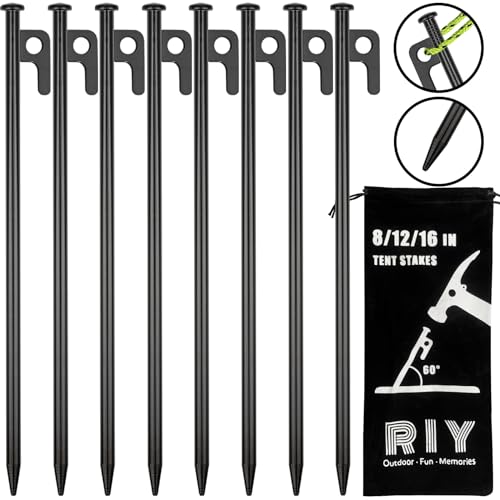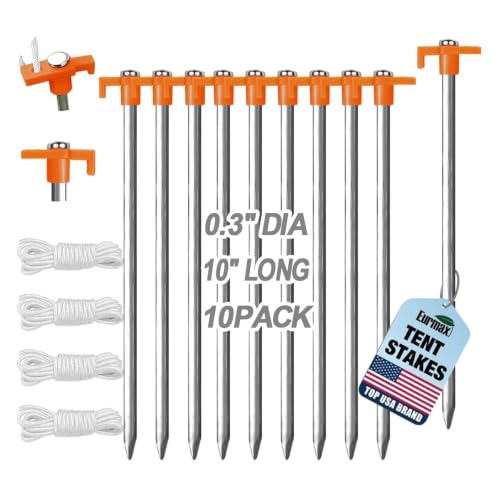
Steel Tent Stakes: The Complete Buyer's Guide
Everything you need to know about choosing the right steel tent stakes for your campsite. Learn about types, lengths, materials, and expert tips for secure anchoring in any terrain.
EXPLORE STAKE TYPESWhy Steel Tent Stakes Matter: Your tent is only as secure as the stakes holding it down. A sudden gust of wind or loose soil can turn a peaceful camping trip into a frustrating experience. Steel stakes offer superior holding power and durability compared to aluminum or plastic alternatives, making them a smart investment for any serious camper.
Why Steel Tent Stakes Are Worth Considering
When you're researching tent stakes, you'll quickly notice that steel stakes occupy a specific niche in the market. They are heavier than aluminum stakes but offer significantly greater strength and holding power. Steel stakes excel in challenging conditions — hard-packed ground, rocky terrain, and high-wind environments where lightweight stakes simply can't perform.
For car campers and base camp setups, the extra weight of steel stakes is rarely a concern. The trade-off in weight is more than compensated by the security they provide. If you've ever woken up to a partially collapsed tent because a stake pulled loose overnight, you understand the value of reliable anchoring. Steel stakes are also less prone to bending during installation in tough soil, which means you can reuse them trip after trip without worrying about replacing bent or broken equipment.
It's worth noting that steel stakes come in several grades of quality. Entry-level steel stakes are typically made from basic carbon steel and may be more susceptible to rust over time if not properly maintained. Mid-range and premium steel stakes often feature galvanized or coated finishes that resist corrosion, extending their lifespan considerably. For campers who prioritize longevity and reliability, investing in higher-tier steel stakes is a decision that pays off over many seasons of use.
Types of Steel Tent Stakes
Not all steel stakes are created equal. Different designs serve different purposes, and understanding these variations will help you choose the right stakes for your specific camping needs. Below are the most common types you'll encounter:
Standard Steel Pegs
The classic design — a straight steel shaft with a hook or angled top. These are versatile, easy to drive into most soils, and work well for general camping. They perform best in medium-density ground and are a solid choice for entry-level campers who want reliable performance without complexity.
Entry-Level to Mid-RangeSpiral / Screw-In Stakes
These stakes feature a helical design that screws into the ground, providing excellent holding power in loose or sandy soil. They're especially useful for beach camping and areas with soft ground where straight stakes tend to pull out. Mid-range to premium options offer thicker shafts and more aggressive threads for better grip.
Mid-Range to PremiumV-Shaped / Delta Stakes
With a V or delta profile, these stakes offer greater surface area and superior holding power in loose soil and windy conditions. The angled faces resist twisting and provide a more secure anchor. Premium versions often feature reinforced construction and corrosion-resistant coatings for long-term durability.
PremiumHeavy-Duty Forged Stakes
Forged from high-carbon steel, these are the toughest stakes available. They're designed for extreme conditions — rocky ground, frozen soil, and high-wind areas. While heavier and more expensive than standard options, they deliver unmatched holding power and durability. Ideal for base camps and extended expeditions.
Top-TierWhen selecting your stakes, consider the terrain you'll encounter most often. If you frequently camp in sandy or loose soil, spiral or V-shaped stakes will serve you better. For general-purpose camping in mixed terrain, standard steel pegs are a reliable all-rounder. And if you're planning trips to exposed, windy locations, heavier forged stakes are worth the investment.
Steel Tent Stakes at a Glance
Use this comparison table to quickly understand the key differences between stake types. Remember that within each category, quality tiers range from entry-level to premium, affecting durability, finish, and overall performance.
| Stake Type | Best For | Holding Power | Weight | Durability Tier |
|---|---|---|---|---|
| Standard Steel Pegs | General camping, medium-density soil | Good | Moderate | Entry-Level to Mid-Range |
| Spiral / Screw-In Stakes | Sandy soil, beach camping, loose ground | Excellent in soft soil | Moderate to High | Mid-Range to Premium |
| V-Shaped / Delta Stakes | Loose soil, windy conditions | Excellent | Moderate | Premium |
| Heavy-Duty Forged Stakes | Rocky terrain, frozen ground, extreme conditions | Superior | High | Top-Tier |
What to Look For in Steel Tent Stakes
Beyond the basic type, several factors influence the performance and longevity of steel tent stakes. Understanding these details will help you make an informed decision:
Length and Gauge: Longer stakes provide more holding power by reaching deeper into the ground. For most camping situations, stakes between 9 and 12 inches are adequate. For loose soil or high-wind conditions, consider stakes of 12 inches or longer. The gauge (thickness) of the steel also matters — thicker stakes resist bending but are heavier. Mid-range stakes typically strike a good balance between strength and weight.
Coating and Corrosion Resistance: Steel is susceptible to rust, especially when exposed to moisture. Look for stakes with galvanized, zinc-plated, or powder-coated finishes. These treatments significantly extend the life of your stakes and keep them looking good trip after trip. Premium steel stakes often feature multi-layer coatings for maximum protection.
Head Design: The top of the stake should be easy to strike with a mallet or hammer without deforming. A flat, wide head is ideal for this purpose. Some stakes feature a hook or loop design that makes it easy to attach guy lines and adjust tension. Consider how easy it will be to pull the stake out when it's time to pack up — some designs include a pull loop or angled head for this reason.
Weight Considerations: If you're backpacking, every ounce counts. Steel stakes are heavier than aluminum, so if portability is your top priority, you may want to reserve steel stakes for car camping and base camp setups. For those applications, the extra weight is a worthwhile trade-off for the superior holding power and durability.
Expert Tips for Using Steel Tent Stakes
Even the best stakes can underperform if they're not used correctly. Follow these practical tips to get the most out of your steel tent stakes:
Angle Matters: Drive stakes into the ground at a 45-degree angle pointing away from the tent. This orientation provides maximum resistance against wind and tension from guy lines. Avoid driving stakes straight down — they're more likely to pull out under load.
Use a Proper Mallet: A dedicated camping mallet or a sturdy hammer is essential for driving steel stakes efficiently and safely. Avoid using rocks or improvised tools that can damage the stake head or cause injury. When camping in rocky areas, a stake-driving tool with a protective handle can make the job much easier.
Prepare the Ground: Clear away rocks and debris from the stake insertion point. If the ground is exceptionally hard, a small amount of water can soften the soil and make driving easier. In rocky terrain, consider using a pilot hole made with a metal spike or a drill to guide the stake.
Check and Adjust: After driving your stakes, attach your guy lines and check the tension. Stakes should be firmly seated with no wobble. If a stake feels loose, reposition it or use a different type of stake better suited to the ground conditions. It's also wise to check your stakes periodically during your trip, especially after windy nights.
Store and Maintain: After each trip, clean your steel stakes and dry them thoroughly before storing. Apply a light coat of oil or lubricant to prevent rust, especially if you've been camping in wet or coastal environments. Store them in a dedicated stake bag or container to keep them organized and protected.
Related Camping Gear Guides
Steel tent stakes are just one part of a well-prepared camping kit. If you're gearing up for your next trip, you may find these related guides useful:
For a comprehensive look at anchoring your shelter, explore our guide to tent pegs. If you're setting up a tarp or rain fly, our article on tarpaulin tent setups covers anchoring techniques in detail. And for those who prefer hammock camping, check out our comparison of tent vs hammock to see which shelter system suits your needs.
When it's time to organize your gear, our guide to camping storage bins will help you keep everything sorted. And if you're planning a trip to a specific destination, don't miss our camping destinations section for inspiration and practical tips.
Frequently Asked Questions About Steel Tent Stakes
Are steel tent stakes better than aluminum?
Steel stakes are stronger and more durable than aluminum, making them better suited for hard, rocky, or frozen ground. They also offer superior holding power in high-wind conditions. However, aluminum stakes are lighter, making them a better choice for backpacking and ultralight camping where weight is a critical factor.
How long should tent stakes be?
For most camping conditions, 9 to 12-inch stakes are sufficient. For loose soil, sandy ground, or high-wind environments, longer stakes of 12 inches or more provide better holding power. The right length depends on the soil type and the conditions you expect to encounter.
Can I use steel stakes in rocky ground?
Yes, but with caution. Steel stakes are more likely to bend or become stuck in rocky terrain. Use a pilot hole or a metal spike to create a guide hole before driving the stake. Heavy-duty forged steel stakes are the best choice for rocky conditions, as they are more resistant to bending.
How do I prevent my steel stakes from rusting?
Choose stakes with galvanized or coated finishes for built-in corrosion resistance. After each trip, clean and dry your stakes thoroughly, then apply a light coat of oil or lubricant. Store them in a dry place. With proper care, high-quality steel stakes can last for many years.
How many tent stakes do I need?
The number of stakes you need depends on the size of your tent and the number of guy lines. Most tents come with a standard set of stakes, but it's wise to carry a few spares. For windy conditions, you may want to add extra stakes to secure all available guy line attachment points.
Ready to Secure Your Camp?
Now that you understand the ins and outs of steel tent stakes, you're equipped to make a smart choice for your next adventure. Browse our recommended products below to find the right stakes for your camping style.
VIEW RECOMMENDED STAKES