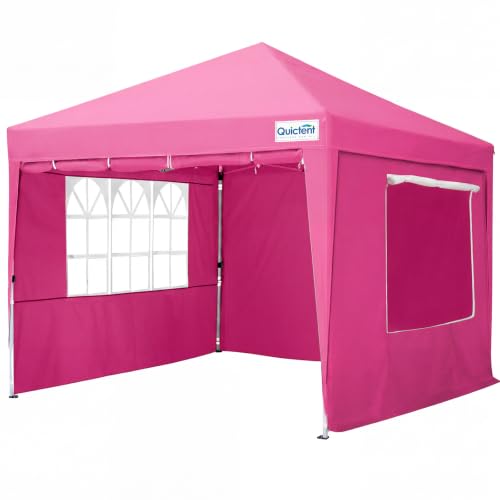
Canopy With Walls: The Complete Guide to Enclosed Outdoor Shelters
Everything you need to know about choosing, using, and maintaining a canopy with walls for camping, events, and outdoor protection.
Why Choose a Canopy With Walls? A standard canopy offers overhead shade, but adding walls transforms it into a versatile shelter that blocks wind, rain, and prying eyes. Whether you're setting up a vendor booth, creating a camping base camp, or hosting a backyard gathering, an enclosed canopy provides the protection and privacy you need. This guide covers everything from frame materials to wall attachment systems, helping you make an informed decision.
What Is a Canopy With Walls?
A canopy with walls is a portable freestanding shelter consisting of a metal or fiberglass frame, a fabric roof, and one or more side panels. Unlike traditional camping tents that rely on poles and stakes for structure, canopies use a scissor-like truss system that pops open quickly. The walls—typically made from the same material as the roof—attach via velcro strips, zippers, or bungee cords. This modular design lets you use the canopy as an open sunshade or a fully enclosed room depending on conditions. Many campers pair these with a canopy with walls for maximum weather protection at base camp, while event organizers often choose a white canopy tent for weddings and formal gatherings. For those needing a more permanent structure, a canvas wall tent offers superior durability but requires more setup time.
Types of Canopy With Walls
Pop-Up Canopy With Walls
The most common type, featuring a pre-assembled frame that unfolds in minutes. Walls attach via velcro or hooks. Ideal for casual camping, tailgating, and market stalls. Lightweight but less wind-resistant than premium models. A pop-up gazebo with walls offers similar convenience for backyard use.
Straight-Leg Canopy With Walls
Offers full standing height across the entire footprint, unlike slanted-leg models. Walls typically zip together for a seamless enclosure. Preferred for vendor events and camping where interior space matters. Pairs well with metal tent stakes for secure anchoring.
Heavy-Duty Commercial Canopy
Built with reinforced steel frames, thicker fabric (600D+), and industrial zippers. Designed for daily use at markets and festivals. Walls often include windows and roll-up doors. The 10x10 canopy tent with sides is a popular commercial size.
Screen Canopy With Walls
Features mesh walls instead of solid fabric, providing bug protection while maintaining airflow. Ideal for summer camping in mosquito-prone areas. Can be combined with solid panels for versatility. Similar in concept to a screen tent.
Inflatable Canopy With Walls
Uses air beams instead of metal poles, making it lighter and more packable. Sets up in minutes with a pump. Best for car camping and glamping where weight isn't a concern. Less common but growing in popularity.
Slant-Leg Canopy With Walls
The most affordable option, with legs that angle outward for stability. Offers less interior space than straight-leg models. Walls may not fit as snugly. Suitable for occasional use and light weather.
Key Features to Consider
- Frame Material: Steel offers durability and wind resistance but adds weight. Aluminum is lighter and rust-resistant, ideal for frequent transport. Fiberglass is budget-friendly but less sturdy.
- Fabric Quality: Look for 210D to 600D Oxford polyester with PU coating. Higher denier means better tear resistance. UV-treated fabric prevents fading and degradation.
- Wall Attachment: Velcro is quick but less secure in wind. Zippers provide a tight seal but can jam. Hooks and loops are easy to use but may leave gaps.
- Water Resistance: Check for PU or PVC coating and taped seams. A canopy with walls rated for 1500mm+ hydrostatic head handles moderate rain. For heavy rain, consider a tent rain fly as an additional layer.
- Ventilation: Enclosed canopies can trap heat. Look for models with mesh windows, roof vents, or roll-up walls to improve airflow. Pair with a camping fan for hot conditions.
- Anchoring System: Includes stakes, guy lines, and weight bags. Always use all provided anchors. For hard surfaces, use steel tent stakes or sandbags.
- Portability: Consider packed size and weight. Wheeled carry bags are a plus for heavy models. Pop-up canopies typically weigh 25-50 lbs.
Canopy With Walls Comparison
| Feature | Entry-Level | Mid-Range | Premium |
|---|---|---|---|
| Frame Material | Powder-coated steel | Aluminum or reinforced steel | Heavy-duty steel or aircraft aluminum |
| Fabric Denier | 210D Oxford | 300D-420D Oxford | 500D-600D Oxford |
| Water Resistance | Basic (500-1000mm) | Moderate (1000-1500mm) | High (1500mm+) |
| Wall Attachment | Velcro or hooks | Velcro + zippers | Heavy-duty zippers |
| Setup Time | 5-10 minutes | 10-15 minutes | 15-20 minutes |
| Best For | Occasional use, light weather | Regular camping, events | Commercial use, extreme weather |
How to Set Up a Canopy With Walls
Setting up a canopy with walls is straightforward, but following the right sequence ensures stability and longevity. Start by selecting a flat, clear area free of rocks and debris. Remove the canopy from its bag and stand it upright with the legs on the ground. With one person on each side, pull the legs outward until the frame clicks into place. Extend each leg to your desired height—typically 6 to 7 feet for standing room. Lock the leg pins securely. Next, attach the roof canopy by draping it over the frame and securing the corners with velcro straps or hooks. For wall attachment, start with the wall facing the wind direction. Attach it using the provided velcro, zippers, or clips, working from top to bottom. Finally, anchor the canopy using stakes at each leg and guy lines if provided. For hard surfaces, use weight bags filled with sand or water. If you're setting up on a beach, consider setting up a tent on the beach techniques for sandy conditions. In rain, set up a tent in the rain by keeping the canopy folded until the frame is ready to minimize wet fabric.
Best Uses for Canopy With Walls
Camping: A canopy with walls serves as an excellent base camp shelter for car camping. It provides a central gathering space protected from sun, rain, and wind. Use it as a kitchen area, dining shelter, or gear storage. It's especially useful for camping with a newborn where a clean, protected space is essential. For those who prefer a more traditional setup, a dome tent or outdoor tent may be more suitable for sleeping, while the canopy handles communal activities.
Events and Markets: Vendors at farmers markets, craft fairs, and festivals rely on canopies with walls to protect merchandise and create a professional appearance. A white canopy tent is a classic choice for weddings and formal events. For branded setups, a personalized canopy tent with custom graphics attracts attention. If you're buying for occasional events, buy event tents from reputable suppliers to ensure quality.
Backyard and Patio: A pop-up gazebo with walls extends your outdoor living space, providing shade and privacy. Use it for birthday parties, barbecues, or simply relaxing outdoors without worrying about bugs or sun. Pair with canopy chairs outdoor for a comfortable seating area.
Emergency Shelter: In emergency preparedness, a canopy with walls can serve as a temporary shelter, command post, or medical station. Its quick setup and weather protection make it valuable for disaster response. Combine with an emergency preparedness camping kit for comprehensive readiness.
Camping and Outdoors: For general camping and outdoors activities, a canopy with walls offers versatility that a single-purpose tent cannot match. It can be a dining fly, a shade structure, or a privacy shelter. When camping in areas with extreme sun, the added walls prevent heat buildup and protect against UV rays.
Maintenance and Care
Proper care extends the life of your canopy with walls. After each use, clean the fabric with mild soap and water, then allow it to dry completely before storing. Never store a damp canopy—mildew can develop within days. Check the frame for bent or broken parts and replace as needed. Lubricate zippers with silicone spray to keep them running smoothly. Store the canopy in its carry bag in a cool, dry place away from direct sunlight. For long-term storage, avoid folding the fabric along the same creases repeatedly, as this weakens the material. If you notice small tears, repair them immediately with a patch kit. For more tips on maintaining outdoor gear, see our camping tools guide.
Frequently Asked Questions
Ready to Choose Your Canopy With Walls?
Browse our recommended selection of top-rated canopies with walls for camping, events, and outdoor protection.
View Recommended ProductsRelated Guides
Explore more of our outdoor shelter and camping guides:
- Pop-Up Gazebo Guide – Convenient shelter for backyard and camping
- White Canopy Tent – Elegant option for weddings and events
- Canvas Wall Tent – Durable traditional shelter
- 10x10 Canopy Tent With Sides – Popular size for vendors and campers
- Outdoor Canopy Tent – Versatile protection for any outdoor activity
- Personalized Canopy Tent – Custom branding for events
- Buy Event Tents – Guide to purchasing event shelters
- Canopy Chairs Outdoor – Comfortable seating for your shelter