
Outdoor Tent Guide: Your Ultimate Shelter from the Elements
Choosing the right outdoor tent is the single most important decision for a comfortable camping trip. This comprehensive guide will walk you through every consideration, from tent types and materials to setup and maintenance, empowering you to make a confident purchase.
Your tent is your portable home in the wild. It's your protection against rain, wind, and bugs, and your sanctuary for rest after a day of adventure. With countless options available, finding the perfect outdoor tent can feel overwhelming. This guide is designed to simplify that process. We'll break down the key features, explain the jargon, and help you match a tent to your specific camping style, ensuring you invest in a shelter that will serve you reliably for years. For those new to the activity, a great starting point is understanding the fundamentals of camping and the outdoors.
The Anatomy of an Outdoor Tent
Before diving into types, it's helpful to understand the basic components that make up every tent. Knowing these parts will help you compare models effectively.
- Floor: The bottom of the tent. Look for a "bathtub floor" where the waterproof material curves up the sides to prevent seam leakage. A durable, high-denier fabric is essential for rocky or abrasive ground.
- Body/Canopy: The main walls of the tent. These are often made of breathable mesh for ventilation in warm weather or solid fabric for insulation and privacy in colder conditions.
- Rainfly: A waterproof cover that goes over the tent body. A full-coverage rainfly is crucial for heavy rain and wind protection. A good rainfly is a hallmark of a quality tent rain fly design.
- Poles: The structure that holds the tent up. Aluminum poles are lighter, stronger, and more durable than fiberglass, making them a better choice for backpacking. For car camping, fiberglass can be a budget-friendly option.
- Stakes and Guy Lines: Used to secure the tent to the ground and the rainfly to the poles. Investing in stronger, lighter stakes like metal tent stakes or steel tent stakes can make a huge difference in windy conditions.
- Vestibule: A covered area outside the main sleeping space, created by the rainfly. It's perfect for storing muddy boots, backpacks, or cooking gear.
Choosing Your Shelter: Types of Outdoor Tents
Tents are generally categorized by their intended use and shape. The most common types you'll encounter are:
Dome Tents
The most popular style, a dome tent is freestanding (meaning it can stand on its own without stakes) and offers excellent stability in wind. They are easy to set up and provide good headroom. Dome tents are versatile, available in sizes from solo backpacking to large family models.
Cabin Tents
Cabin tents have near-vertical walls, creating a spacious, room-like interior with excellent headroom. They are fantastic for family camping or base camps where comfort and space are a priority. However, they are heavier and less aerodynamic in high winds than dome tents. Many models offer tent with rooms for added privacy, such as a 6-person dome tent with screen room.
Screen Tents & Shade Tents
Often used as a communal area, a screen tent provides bug-free outdoor living space. A shade tent is designed primarily for sun protection, often used for picnics, events, or as a beach shelter. These can be as simple as a pop-up gazebo or as large as a buy event tents for gatherings.
Expedition & 4-Season Tents
These are specialized shelters built to withstand extreme weather, including heavy snow and high winds. They are typically heavier and have less mesh for better insulation. A 4-season tent with stove jack for sale is a prime example, allowing you to use a wood stove inside for heat, a technique often used in hot tent camping.
How to Choose the Perfect Outdoor Tent
Your choice should be driven by a few key questions:
- Who is it for? A lightweight solo backpacking tent is vastly different from a 12-person 3-room instant cabin tent. Consider capacity. A "2-person" tent often comfortably fits one person plus gear, so a 4-person tent you can stand up in might be right for two campers wanting space. For families, options like a big family tent with rooms and living room can provide separate sleeping quarters.
- When will you use it? For summer camping, a well-ventilated 3-season tent is perfect. If you plan to camp in cold weather, you'll need a tent designed for it. A 4-season tent with a stove jack is a game-changer for winter. You can learn more in our guide to winter tents.
- Where will you camp? If you typically camp in established campgrounds, weight is less of an issue. You can opt for a spacious cabin tent. If you're hiking into the backcountry, a lightweight dome tent is essential. For beach camping, ensure your tent has strong stakes and good sand anchoring. A tent set up on the beach requires different techniques than one on a forest floor.
- What is your budget? Outdoor tents are available in tiers from budget-friendly to premium. Entry-level tents are great for occasional use, while mid-range and high-end tents offer better materials, durability, and weather resistance for frequent adventurers.
Mastering Setup and Maintenance
A little practice and care will extend the life of your tent and make your trips more enjoyable.
Setup Tips
Always practice setting up your tent at home before your trip. This helps you identify any missing parts and makes the process faster in the field. For tips on specific conditions, see our guides on setting up a tent in the rain and setting up a tent on a platform. If you're looking for the easiest options, consider a pop-up tent you can stand up in or an easiest 4-person tent to set up.
Care and Maintenance
Always clean and dry your tent thoroughly before storing it. Never pack it away damp, as this can lead to mildew and fabric degradation. Store it loosely in a cool, dry place. With proper care, a quality tent can last for many seasons. To learn more about longevity, read our article on how long do tents last.
Top-Rated Outdoor Tents for Your Next Adventure
⚠️ AFFILIATE DISCLOSURE: This website contains affiliate links. As an Amazon Associate, we earn from qualifying purchases. If you make a purchase through these links, we may receive a small commission at no additional cost to you. Read our full affiliate policy.

Vinabilia 10x10 Pop Up Canopy Tent with One-Push Center Lock,White
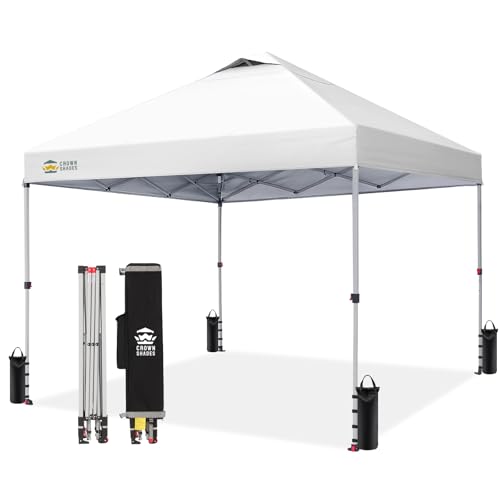
CROWN SHADES 10x10 Pop Up Canopy Tent with One Push Setup, Grid White | Patented CenterLok, Easy Outdoor Sun Shade for Events, Parties, Camping - Gazebo with STO-N-Go Cover Bag, Silver-Coated Top
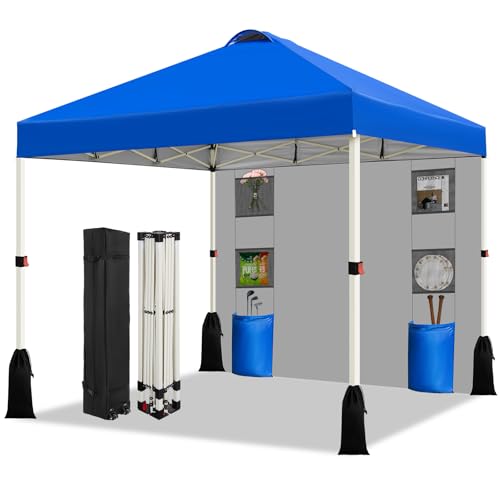
WEIZE 10x10 Pop Up Canopy Tent, 1-Button Push Setup Canopy Tent with 1 Sidewall, Adjustable Height Instant Portable Shelter,Portable Roller Bag, Easy Outdoor Sun Shade for Events,4 Weight Bags,Blue

WEIZE 10x10 Slant Legs Pop Up Canopy Tent, 1-Button Push Setup Canopy Tent, Adjustable Height Instant Portable Shelter, Protable Backpack, Easy Outdoor Sun Shade for Events, 8x8 Top, White

HOTEEL Party Tent 10x30FT, Large Outdoor Canopy Tent for Parties
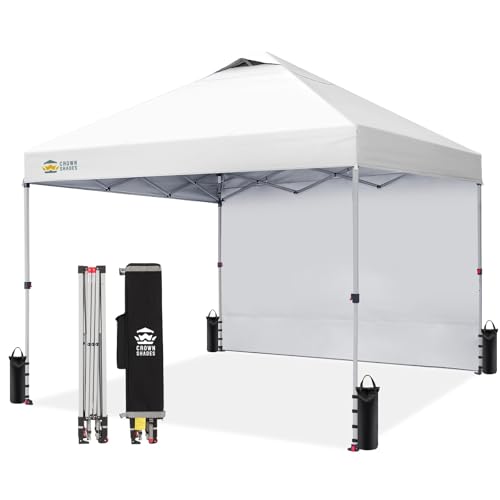
CROWN SHADES 10x10 Pop Up Canopy with 1 Side Wall, Beach Canopy Tent, White | One Push Setup Shelter, Outdoor Gazebo & Sun Shade for Events, Parties, Camping, 150D Silver-Coated Fabric, STO-N-Go Bag

Quictent 10x20FT Pop Up Canopy Tent with Sidewalls | Heavy Duty Party Tent for Outdoor Events Weddings, Easy Setup Carpas para Fiestas with Mesh Windows, Waterproof
Frequently Asked Questions About Outdoor Tents
Is a nylon or polyester tent better?
Both are excellent choices. Polyester is more UV-resistant and doesn't stretch as much when wet, while nylon is generally lighter and stronger for its weight. The quality of the coating (like polyurethane or silicone) is often more important than the base fabric. You can learn more in our detailed comparison of nylon vs. polyester for tents.
How do I keep my tent warm in cold weather?
Start with a tent designed for the conditions, like a 4-season tent. Use a good sleeping pad with a high R-value to insulate you from the cold ground. A tent with a stove jack allows for a wood stove, but you can also use a safe, battery-operated heater. For more tips, see our guide on keeping a tent warm in cold weather.
Can I use a regular tent for car camping?
Absolutely. In fact, car camping allows you to use larger, heavier, and more comfortable tents that wouldn't be practical for backpacking. A spacious cabin tent or a large dome tent is an excellent choice. You can explore options like a 10-person instant cabin tent with awning for a luxurious car camping experience.