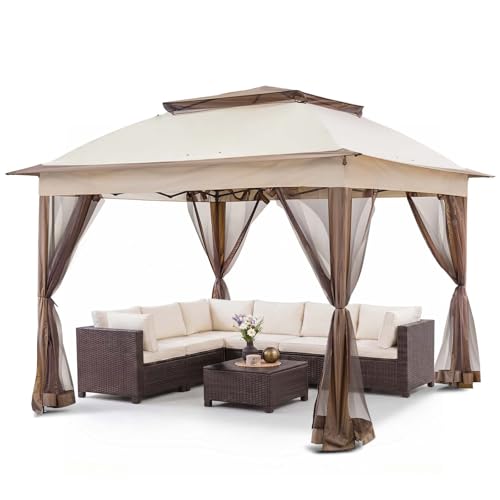
Pop Up Gazebo: Complete Guide to Instant Shade & Shelter
Everything you need to know about choosing, using, and maintaining a pop up gazebo for camping, events, and outdoor living.
A pop up gazebo is one of the most versatile outdoor shelters you can own. Unlike traditional tents that require complex assembly, a pop up gazebo deploys in minutes, providing instant shade and protection from the elements. Whether you are setting up a base camp, hosting a backyard gathering, or creating a vendor booth at a festival, an instant canopy tent delivers reliable performance without the hassle.
This guide covers everything you need to know about pop up gazebos, from frame materials and canopy fabrics to size selection and weather resistance. By the end, you will understand exactly what to look for and which type of outdoor canopy tent suits your specific needs.
What Is a Pop Up Gazebo?
A pop up gazebo, also known as an instant canopy or pop up canopy tent, is a freestanding shelter with a folding frame and a fabric top. The key difference from traditional tents is the frame mechanism: instead of assembling poles and threading them through sleeves, you simply unfold the frame and extend the legs. The canopy fabric is permanently attached to the frame, so setup takes only one or two people a matter of minutes.
Most models feature a powder-coated steel or aluminum frame with a top made from water-resistant materials like polyester or oxford cloth. Many canopies include side walls, which transform an open shelter into a fully enclosed space. This makes them suitable for a wide range of applications beyond simple shade, including use as a pop up privacy tent or a canopy with walls for weather protection.
How a Pop Up Gazebo Works
The Folding Frame Mechanism
The magic of a pop up gazebo lies in its scissor-like frame. When you pull the legs outward, the cross-braces extend and lock into place, creating a rigid structure. The canopy fabric is stretched across the top and remains attached at all times. To pack up, you simply release the locking mechanisms and push the legs inward, collapsing the entire shelter into a compact bundle that fits into a carry bag.
- Setup time: Typically 2–5 minutes with one or two people.
- Take-down time: Similar to setup, often under 5 minutes.
- Portability: Most models come with a wheeled carry bag for easy transport.
- No loose parts: The frame and canopy stay connected, reducing the risk of lost components.
Key Features to Consider When Buying a Pop Up Gazebo
1. Frame Material and Durability
The frame determines the gazebo's stability and lifespan. Steel frames are heavier but very durable and resistant to bending. Aluminum frames are lighter and rust-resistant, making them ideal for frequent transport. Look for frames with reinforced joints and a powder-coated finish to prevent corrosion.
Entry-level models often use thinner steel tubing, while mid-range and premium options feature thicker gauge materials and better welding. If you plan to use your gazebo frequently or in windy conditions, investing in a sturdier frame is worthwhile.
2. Canopy Fabric and Weather Resistance
The canopy top is your primary protection against sun and rain. Most pop up gazebos use polyester or oxford fabric with a water-resistant coating. Higher-quality models feature UV-resistant treatments that prevent fading and block harmful rays.
For rainy climates, look for canopies with taped seams and a waterproof rating. Some premium models include a silver-coated underside for additional UV reflection and heat reduction. If you frequently camp in wet conditions, a tent rain fly can provide an extra layer of protection when used in conjunction with your gazebo.
3. Size and Coverage Area
Pop up gazebos come in a range of sizes, from compact 6x6 models for solo use to large 12x12 canopies that accommodate groups. The most common sizes are 10x10 and 12x12, which offer a good balance of coverage and portability.
Consider how you will use the gazebo. A smaller 10 x 10 canopy tent with sides works well for a vendor booth or a small family picnic. Larger options like a 12 x 12 pop up canopy tent provide ample space for seating, tables, and gear. If you need even more room, a 12x12 canopy tent is a popular choice for events and group camping.
4. Side Walls and Accessories
Many pop up gazebos include or offer optional side walls. These panels attach via Velcro, zippers, or hooks and can be configured to block wind, rain, or sun from specific directions. Some models include windows or mesh panels for ventilation.
Additional accessories to consider include weight bags or stakes for stability, sandbags for use on hard surfaces, and LED lighting kits for evening use. If you need a more permanent or decorative setup, a white canopy tent offers a clean, professional appearance for weddings and formal events.
5. Portability and Storage
If you plan to transport your gazebo frequently, weight and packed size are critical. Aluminum frames are significantly lighter than steel, though they may be less rigid in high winds. Look for a carry bag with wheels and reinforced handles for easier transport.
For camping trips, a compact 2 person compact portable pop up tent may be more suitable if you need a sleeping shelter rather than a day-use canopy. However, for group gatherings, a full-size gazebo is indispensable.
Pop Up Gazebo Comparison by Tier
The following table compares pop up gazebos across three quality tiers. This classification helps you understand the relative positioning of different models without referencing specific prices.
| Feature | Entry-Level | Mid-Range | Premium |
|---|---|---|---|
| Frame Material | Thin steel tubing | Reinforced steel or aluminum | Heavy-duty aluminum or thick steel |
| Canopy Fabric | Basic polyester, minimal UV protection | Oxford cloth with water-resistant coating | Heavy-duty oxford with UV-blocking and waterproof layers |
| Setup Mechanism | Basic push-pin locks | Smooth sliding collars with secure locks | One-push central hub or advanced locking system |
| Side Walls | Often not included | Usually included or available as add-on | Included, with multiple configuration options |
| Wind Resistance | Light breezes only | Moderate winds with proper anchoring | Strong winds with reinforced frame and anchoring system |
| Portability | Basic carry bag | Wheeled carry bag | Heavy-duty wheeled bag with reinforced handles |
| Best For | Occasional backyard use | Regular camping and events | Frequent commercial or extreme weather use |
Pros and Cons of Pop Up Gazebos
Advantages
- Extremely fast setup and take-down
- No loose poles or complicated assembly
- Portable and easy to transport
- Versatile for camping, events, and backyard use
- Available in many sizes and configurations
- Side walls provide customizable protection
Limitations
- Less stable in high winds than traditional tents
- Frame can bend if not properly anchored
- Canopy fabric may fade over time with sun exposure
- Heavier models can be difficult for one person to handle
- Not ideal for extreme weather conditions
Best Uses for a Pop Up Gazebo
Pop up gazebos excel in situations where quick shade or shelter is needed. Here are some of the most common applications:
Camping and Base Camp
A pop up gazebo makes an excellent addition to any campsite. Use it as a communal dining area, a shaded lounge, or a protected cooking space. Pair it with a screen tent for bug-free relaxation or a shade tent for additional sun protection. For those who prefer a more enclosed shelter, a dome tent may be a better choice for sleeping, while the gazebo serves as a day-use pavilion.
Backyard Events and Parties
Hosting a barbecue, birthday party, or family reunion? A pop up gazebo provides instant shade and a defined gathering space. Add side walls for wind protection or privacy. For a more elegant look, consider a white canopy tent or a personalized canopy tent with custom printing.
Vendor Booths and Markets
Craft fairs, farmers markets, and trade shows often require vendors to provide their own shelter. A 10x10 custom pop up canopy tent with your logo graphics is a popular choice for its compact footprint and branding potential. The buy event tents guide offers more insights into selecting the right shelter for commercial use.
Beach and Picnic Shelter
For beach days and picnics, a lightweight pop up gazebo offers a retreat from the sun. Look for models with sandbags or stake kits designed for sandy or soft ground. A pop up beach tent sun shade shelter land and sea is specifically designed for beach conditions and often includes additional features like extended floors and privacy panels.
How to Choose the Right Pop Up Gazebo
Selecting the right pop up gazebo depends on several factors. Consider the following questions:
1. How often will you use it?
For occasional backyard use, an entry-level model may suffice. If you camp regularly or attend events throughout the year, invest in a mid-range or premium gazebo with a more durable frame and better weather resistance.
2. How many people need to fit inside?
As a general rule, a 10x10 gazebo comfortably seats 4–6 people with a table, while a 12x12 can accommodate 8–10. If you need a standing-height shelter for a larger group, a pop up tent you can stand up in might be more appropriate.
3. What weather conditions will you face?
For sunny climates, prioritize UV protection and ventilation. For rainy areas, look for waterproof fabric and taped seams. In windy locations, choose a heavier frame and plan to use stakes and weight bags. If you camp in winter, a winter camping setup with a hot tent camping shelter may be more suitable, as pop up gazebos are not designed for snow loads.
4. Do you need side walls?
Side walls provide privacy, wind protection, and additional shade. If you plan to use your gazebo as a pop up privacy tent instant portable outdoor shower tent, side walls are essential. Many models include them, while others offer them as add-ons.
Setting Up and Maintaining Your Pop Up Gazebo
Proper setup and care extend the life of your gazebo and ensure safe use.
Setup Tips
- Choose a level surface: Uneven ground can cause the frame to twist or become unstable.
- Anchor properly: Always use stakes or weight bags, even in calm conditions. A sudden gust can send an unanchored gazebo flying.
- Use two people: While some models can be set up solo, having a second person makes the process faster and safer.
- Extend legs fully: Ensure all locking mechanisms are engaged before applying the canopy top.
- Practice first: Set up your gazebo at home before your trip so you are familiar with the mechanism.
Maintenance Tips
- Clean after use: Wipe down the canopy and frame with a damp cloth to remove dirt and bird droppings.
- Dry completely: Never store a wet gazebo. Allow it to dry fully to prevent mold and mildew.
- Inspect for damage: Check for bent poles, torn fabric, or worn joints before each use.
- Store properly: Keep the gazebo in its carry bag in a cool, dry place away from direct sunlight.
- Lubricate joints: A small amount of silicone spray on moving parts keeps the mechanism smooth.
Safety Considerations
Pop up gazebos are not designed for extreme weather. Always take the following precautions:
- High winds: Collapse the gazebo or take it down if winds exceed the manufacturer's recommended limits. Even anchored gazebos can be damaged or become dangerous in strong gusts.
- Rain: While most canopies are water-resistant, heavy rain can pool on the roof and cause the frame to collapse. Use a tent rain fly or ensure proper drainage if rain is expected.
- Fire safety: Never place a fire pit, grill, or heater directly under or near a gazebo canopy. The fabric is flammable. Follow all campfire safety rules and keep a safe distance.
- Stability: Use sandbags or weights on hard surfaces where stakes cannot be driven. For soft ground, use heavy-duty metal tent stakes or steel tent stakes.
Frequently Asked Questions About Pop Up Gazebos
How long does it take to set up a pop up gazebo?
Most pop up gazebos can be set up in 2–5 minutes with one or two people. The folding frame design eliminates the need to assemble poles, so the process is straightforward and quick.
Can a pop up gazebo be used in the rain?
Yes, most pop up gazebos are made with water-resistant materials. However, heavy rain can cause water to pool on the roof. For extended rain, use side walls and ensure the canopy is properly tensioned. A tent rain fly can provide additional protection.
What is the difference between a pop up gazebo and a regular tent?
A pop up gazebo is primarily a day-use shelter with an open or semi-enclosed design, while a tent is designed for sleeping and full enclosure. Gazebos are ideal for shade, events, and cooking areas, while tents provide privacy and protection for overnight camping. Some campers use both: a dome tent for sleeping and a gazebo for communal space.
Are pop up gazebos wind-resistant?
Pop up gazebos can handle light to moderate winds when properly anchored. However, they are not designed for high winds. Always use stakes or weight bags, and take down the gazebo if winds become strong. For windy conditions, consider a canvas wall tent or a teepee for sale, which are more robust options.
Can I use a pop up gazebo for camping?
Absolutely. Pop up gazebos are popular for car camping and base camp setups. They provide a shaded communal area for cooking, eating, and relaxing. Pair your gazebo with a screen tent for bug protection or a shade tent for extra sun coverage.
How do I clean and store my pop up gazebo?
Wipe the canopy and frame with a damp cloth after each use. Allow everything to dry completely before storing. Keep the gazebo in its carry bag in a cool, dry location. Inspect the frame and fabric regularly for wear and tear.
Final Thoughts
A pop up gazebo is a practical and versatile addition to any outdoor kit. Whether you are camping, hosting a backyard event, or setting up a vendor booth, an instant canopy provides reliable shade and shelter with minimal effort. By understanding the key features, comparing tiers, and following proper setup and maintenance practices, you can choose a gazebo that serves you well for years.
Explore our recommended pop up gazebos below to find the perfect match for your needs. For more outdoor shelter options, browse our guides on outdoor tents, screen tents, and canopy with walls.
Ready to Find Your Perfect Pop Up Gazebo?
Check out our top recommendations below and get instant shade for your next adventure.
View Recommended Gazebos