Canvas Wall Tent: The Ultimate 4-Season Shelter Guide
Discover why canvas wall tents are the preferred choice for hunters, glampers, and winter campers who demand durability, warmth, and timeless style.
START EXPLORINGWhy Canvas Wall Tents? Unlike nylon dome tents, a canvas wall tent offers unmatched breathability, insulation, and durability. Whether you're setting up a base camp for hunting season or creating a cozy glamping retreat, a wall tent with a stove jack transforms your outdoor experience.
What Is a Canvas Wall Tent?
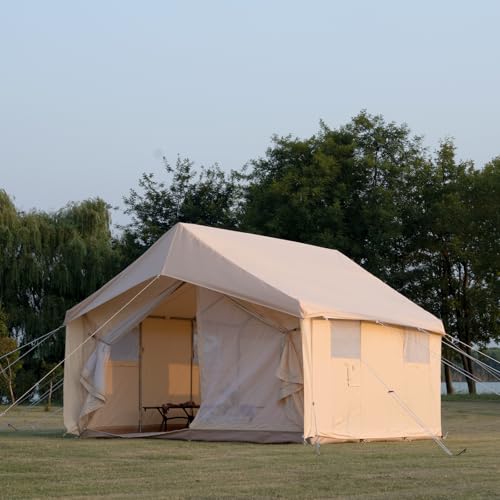
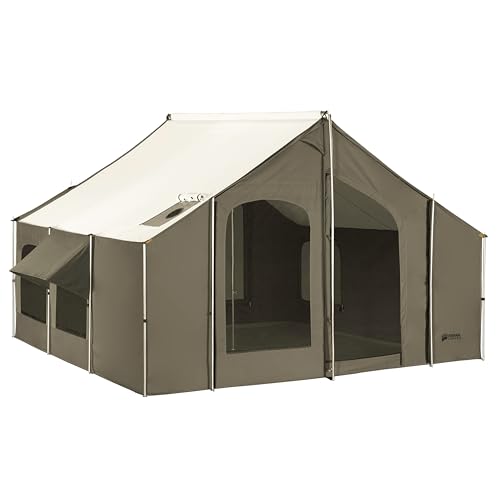
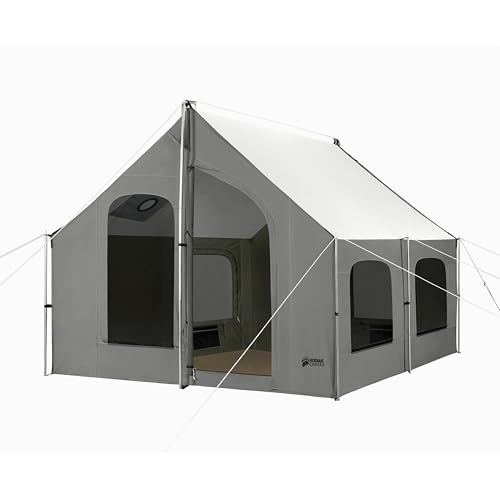
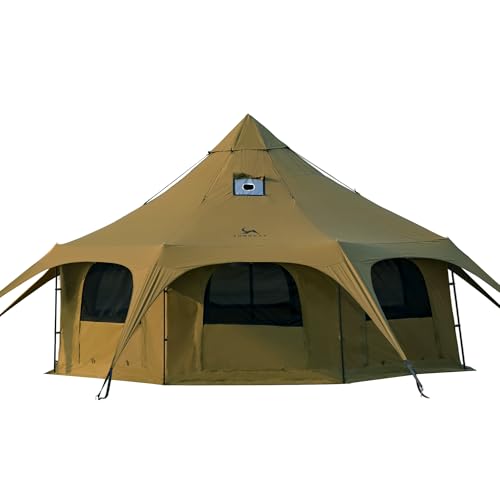
A canvas wall tent is a classic, cabin-style shelter characterized by its vertical walls and steeply pitched roof. Unlike dome or tunnel tents, the wall tent's design maximizes interior space, allowing occupants to stand upright and move comfortably. The walls are typically made from heavy-duty cotton canvas—often 8 to 12 ounces per square yard—which provides superior breathability, UV resistance, and natural insulation compared to synthetic materials. This construction makes a canvas wall tent a top contender for extended stays in remote locations, particularly when paired with a wood stove. The vertical walls also make it an excellent choice for those who want to use 2-person cots or even set up a small camping kitchen inside.
Historically, wall tents were the standard for explorers, surveyors, and military campaigns. Today, they've been refined for modern outdoor enthusiasts. You'll find them at hunting camps, glamping resorts, and even as permanent seasonal structures. The key differentiator is the canvas material—it breathes, so condensation doesn't build up like it does in a nylon tent. When you add a canvas hot tent setup with a stove jack, you can camp comfortably in sub-zero temperatures. This makes it a natural fit for winter camping, much like the specialized winter tents we review elsewhere. If you're considering a wall tent, you're likely looking for a shelter that lasts for years, not just a season.
Key Features That Define a Quality Canvas Wall Tent
🔥 Stove Jack Ready
A stove jack is a fire-resistant patch (often silicone or fiberglass) that allows you to safely run a stovepipe through the tent roof. This is essential for heating with a wood stove, making the tent a true 4-season shelter.
🧵 8–12 oz Canvas
The weight of the canvas is measured in ounces per square yard. Heavier canvas (10–12 oz) is more durable and weather-resistant but heavier to pack. Lighter canvas (8–10 oz) is easier to transport but may need more frequent treatment.
📐 Vertical Walls
Vertical walls create more usable interior space than sloping walls. You can place furniture, cots, and gear right against the wall without losing headroom. This is a major advantage over dome tents.
🌬️ Breathable Fabric
Canvas naturally regulates humidity and temperature. It allows moisture vapor to escape, reducing condensation inside the tent—a common problem in synthetic tents during cold weather.
🛡️ Weather Resistance
High-quality canvas is treated with water repellents, mold inhibitors, and UV protectants. A well-maintained canvas wall tent can withstand rain, snow, and sun for many seasons.
🔧 Modular Setup
Most wall tents use a frame made of aluminum or steel poles. Many can be set up with an internal frame or an external frame, and some can be pitched using existing trees or logs.
How to Choose the Right Size Canvas Wall Tent
Wall tents are sized by their footprint (width x length) and wall height. The most common sizes range from 8x10 feet for solo campers up to 16x20 feet for large groups. Here's a breakdown to help you decide. Remember that a wall tent's usable space is greater than a dome tent of the same footprint due to the vertical walls. If you're transitioning from a traditional tent sizing guide, you'll find that a 10x12 wall tent feels much larger than a 10x12 dome tent.
| Size (ft) | Best For | Sleeping Capacity | Stove Recommendation |
|---|---|---|---|
| 8x10 | Solo hunters, couples | 2–3 people with cots | Small wood stove |
| 10x12 | Small families, hunting partners | 4 people with cots | Medium wood stove |
| 12x14 | Groups of 4–6 | 6 people with cots | Large wood stove |
| 14x16 | Large groups, base camp | 8 people with cots | Large wood stove or two stoves |
| 16x20 | Commercial glamping, large groups | 10+ people | Multiple stoves |
When selecting a size, consider your typical gear load, whether you'll use cots or sleeping pads, and if you need space for a table and chairs. A good rule of thumb is to allow at least 30 square feet per person for comfortable living. If you plan to use a folding campfire grill inside for cooking, add extra space. For those who want a more permanent structure, a cabin camping setup might be a better alternative, but a wall tent offers portability that a cabin cannot.
Canvas Material and Construction: What to Look For
The quality of a canvas wall tent is determined by the canvas itself, the frame, and the craftsmanship. Here's what separates a premium wall tent from a budget-friendly one.
Canvas Weight: As mentioned, 10 oz and 12 oz are the most common. A 10 oz canvas is a good balance of durability and portability, while 12 oz is heavier and more resistant to tears. Some entry-level tents use 8 oz canvas, which is lighter but less durable. If you plan to use your tent in harsh conditions, invest in a heavier canvas. Brands like Davis Tent and Montana Canvas are known for their high-quality materials, while others offer more affordable options.
Treatments: Look for canvas that is treated for water repellency, mildew resistance, and UV protection. Some manufacturers use a proprietary treatment, while others rely on a simple paraffin wax coating. The best canvas wall tents have a double-fill or single-fill treatment. A tent rain fly is not typically used with wall tents, as the canvas itself is water-resistant, but a fly can add extra protection in extreme weather.
Frame: Wall tent frames are typically made from aluminum or steel. Aluminum is lighter and rust-resistant, making it ideal for backcountry use. Steel is heavier but stronger and less expensive. Many wall tents can be set up with an external frame (poles on the outside) or an internal frame (poles inside). External frames are more stable in wind, while internal frames are easier to set up solo. Some tents come with a frame, while others are sold as "tent only" and require you to purchase or build a frame. If you're handy, you can use logs to build a frame on-site.
Stove Jack: If you plan to heat your tent, a stove jack is essential. It should be positioned so that the stovepipe exits the roof at a safe distance from the canvas. Most stove jacks are made from a fire-resistant material and have a metal ring to hold the pipe. Some tents come with a pre-installed stove jack, while others require you to cut a hole and install one yourself. Always follow the manufacturer's instructions for safe installation.
Doors and Windows: A quality wall tent will have at least one door, often with a screen. Some models have a second door for cross-ventilation. Windows are usually covered with canvas flaps and screens. If you're camping in buggy areas, consider a tent with a screen door and windows. For glamping, a tent with a large picture window is a nice touch, but it may reduce privacy.
Pros and Cons of Canvas Wall Tents
✅ Advantages
- Superior breathability reduces condensation
- Excellent insulation for winter camping
- Durable and long-lasting with proper care
- Spacious interior with vertical walls
- Can accommodate a wood stove for heat and cooking
- Timeless aesthetic, great for glamping
- Repairable with canvas patches
⚠️ Disadvantages
- Heavy and bulky to transport
- Requires more setup time than dome tents
- Needs regular maintenance (re-waterproofing, mold prevention)
- More expensive than synthetic tents
- Canvas can shrink or stretch if not properly tensioned
- Not ideal for backpacking due to weight
- Can be challenging to set up solo
For many campers, the pros far outweigh the cons. If you're looking for a tent that can handle a full season of hunting or a cozy winter glamping trip, a canvas wall tent is a worthy investment. If you're a backpacker who counts every ounce, a lighter option like a hammock or an ultralight tent may be better. But for base camp comfort, nothing beats a wall tent.
Setting Up and Maintaining Your Canvas Wall Tent
Setting up a canvas wall tent is a straightforward process, but it requires practice. Here are the key steps:
- Choose a level site: Clear rocks, sticks, and debris. A level site prevents water from pooling under the tent.
- Lay out the tent: Unroll the tent and position it so the door faces away from prevailing winds.
- Assemble the frame: If using an internal frame, assemble it inside the tent. If using an external frame, assemble it around the tent.
- Raise the frame: With help, lift the frame and tent upright. Secure the frame to the ground with stakes. For extra stability in wind, use metal tent stakes or steel tent stakes.
- Tension the canvas: Attach guy lines and tension the canvas evenly. Avoid over-tightening, which can cause the canvas to tear.
- Install the stove jack and stove: If using a stove, follow the manufacturer's instructions carefully. Ensure the stovepipe is properly insulated and exits the tent safely.
- Weatherproof: If rain is expected, you can apply a canvas water repellent. Some campers use a canopy with walls as an additional rainfly over the tent, but this is not necessary for most conditions.
Maintenance: After each trip, ensure the tent is completely dry before storing. Mildew can ruin canvas. Clean with a soft brush and mild soap, then re-treat with a water repellent as needed. Store in a dry, rodent-free place. With proper care, a canvas wall tent can last a decade or more. If you're camping in winter, be sure to follow our winter camping safety tips to avoid issues like carbon monoxide poisoning from stoves.
Setting up in snow: If you're camping in snow, you'll need to prepare a platform or pack down the snow. Our guide on setting up a tent in the snow covers techniques that apply to wall tents as well. You may also want to use a sleeping mat with a high R-value to insulate you from the cold ground.
Who Is a Canvas Wall Tent For?
Canvas wall tents are favored by a specific set of outdoor enthusiasts. Here are the most common use cases:
- Hunters: A wall tent makes an excellent base camp. It's spacious enough for gear, cots, and a stove. The neutral canvas color blends into the environment, and the tent can handle harsh weather.
- Glampers: The aesthetic of a canvas wall tent is unmatched. It provides a rustic, cozy atmosphere that's perfect for a romantic camping getaway or a destination wedding event.
- Winter Campers: With a stove jack and a wood stove, a wall tent is a warm sanctuary in the snow. It's a popular choice for winter camping in places like Yellowstone or Colorado.
- Large Groups: If you're camping with a group, a large wall tent can serve as a communal dining and gathering area. Pair it with smaller sleeping tents for a full camp setup.
- Long-Term Campers: If you're staying in one spot for weeks, a wall tent is more comfortable and durable than a nylon tent. It's also a good option for a seasonal camp.
If you're new to camping, you might start with a first-time camping tips guide before investing in a wall tent. But if you've been camping for years and want to upgrade your base camp, a canvas wall tent is a logical next step. It's also worth noting that wall tents are not ideal for backpacking—for that, you'd want a lightweight tent or a hammock camping chair setup. But for car camping, a wall tent is a luxurious option.
Ready to Upgrade Your Base Camp?
Explore our recommended canvas wall tents and accessories below. Whether you're hunting, glamping, or winter camping, we've got you covered.
SEE RECOMMENDED GEARFrequently Asked Questions About Canvas Wall Tents
Are canvas wall tents waterproof?
Yes, high-quality canvas wall tents are treated with water repellents and are naturally water-resistant. However, in heavy rain, some water may seep through if the canvas is not properly tensioned or if the treatment has worn off. Regular re-treatment is recommended.
Can I use a wood stove in a canvas wall tent?
Absolutely. Most canvas wall tents come with a stove jack or can be fitted with one. A wood stove provides excellent heat and allows you to cook inside. Always follow safety guidelines and ensure proper ventilation.
How long does a canvas wall tent last?
With proper care, a canvas wall tent can last 10–15 years or more. The lifespan depends on the quality of the canvas, frequency of use, and how well you maintain it. Storing it dry and re-waterproofing regularly will extend its life.
Is a canvas wall tent better than a nylon tent?
It depends on your needs. Canvas is more breathable, durable, and better for cold weather. Nylon is lighter, more compact, and easier to set up. For base camp or winter camping, canvas is superior. For backpacking, nylon is better.
How do I prevent mold and mildew on my canvas tent?
Always dry your tent thoroughly before storing. Never store it wet. Clean it with a mild soap and water, and apply a mildew-resistant treatment. Store in a dry, well-ventilated area.
Can I set up a canvas wall tent by myself?
It's possible but challenging, especially for larger sizes. A 8x10 or 10x12 can be set up solo with practice. Larger tents are easier with two people. Using an external frame can make solo setup easier.
What is the best canvas weight for a wall tent?
10 oz and 12 oz are the most common. 10 oz is a good all-around choice. 12 oz is more durable for extreme conditions but heavier. 8 oz is lighter but less durable.
Do I need a footprint or ground tarp for a canvas wall tent?
A ground tarp is recommended to protect the tent floor from rocks, moisture, and abrasion. It also adds an extra layer of insulation. Look for a tarp that is slightly smaller than the tent footprint to prevent water from pooling.