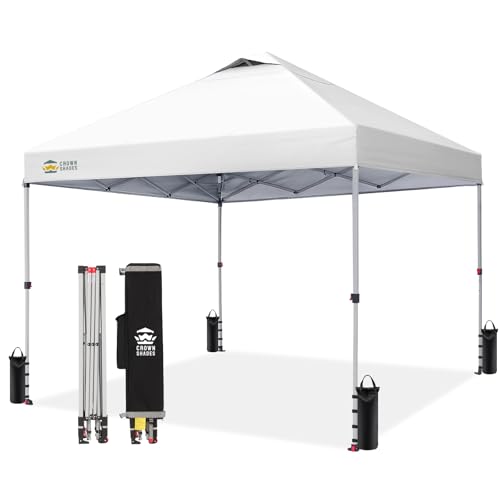
Outdoor Canopy Tent: The Complete Guide to Portable Shade and Shelter
Whether you're setting up a basecamp, hosting a backyard event, or seeking relief from the sun at the beach, an outdoor canopy tent is one of the most versatile pieces of gear you can own. This guide will walk you through everything you need to know to choose the right one.
Explore Camping GearWhy an Outdoor Canopy Tent Is a Game-Changer
An outdoor canopy tent, often called a pop-up canopy or shade tent, provides instant protection from the sun, rain, and wind. Unlike traditional camping tents that are designed for sleeping, canopy tents are primarily for daytime use—creating a comfortable, shaded space for gatherings, meals, or simply relaxing outdoors. They are invaluable for camping and outdoor activities, picnics, tailgating, and even as a temporary shelter for vendors at markets.
The beauty of a canopy tent lies in its portability and ease of setup. Most models can be deployed by one or two people in a matter of minutes, thanks to their pop-up or instant frame mechanisms. This makes them an excellent choice for first-time campers and seasoned outdoor enthusiasts alike. Whether you're looking for a simple shade tent for the beach or a canopy with walls for a more enclosed space, there's a model to fit your needs.
Types of Outdoor Canopy Tents
Not all canopy tents are created equal. Understanding the different types will help you make an informed decision based on your intended use, the number of people you need to shelter, and the weather conditions you expect to encounter.
Pop-Up Canopy Tents
These are the most common and convenient type. A pop-up gazebo or 10x10 canopy tent with sides features a pre-assembled frame that expands when you pull it apart. They are ideal for quick setups and are available in various sizes, from small 6x6 models to large 10x20 pop-up canopy tents. Many come with a carrying bag, making them easy to transport.
Custom Canopy Tents
If you're using a canopy for a business, event, or team, a personalized canopy tent or a 10x10 custom pop-up canopy tent with your logo graphics can be a powerful branding tool. These allow you to display your logo, colors, or message, turning a simple shelter into a promotional asset.
Heavy-Duty and Professional Canopy Tents
For commercial use, frequent setup and teardown, or harsh weather, consider a heavy-duty model. These often feature thicker frames, reinforced fabrics, and better anchoring systems. While a white canopy tent is classic and versatile, you can also find models in various colors to match your brand or preference.
Pro Tip: If you plan to use your canopy on hard surfaces like concrete or asphalt, look for a model that includes weight bags or stakes designed for that purpose. Some tents are specifically designed to be set up on concrete.
Key Features to Consider When Buying an Outdoor Canopy Tent
When you're in the research phase, it's easy to get overwhelmed by the options. Focus on these critical features to narrow down your choices.
Size and Shape
Canopy tents come in square, rectangular, and hexagonal shapes. The most popular sizes are 10x10 and 10x20. A 10x10 canopy typically provides enough shade for a small family or a picnic table, while a 10x20 model can cover a larger gathering or serve as a vendor booth. For camping, a smaller outdoor tent might be sufficient, but for group events, larger is often better.
Frame Material and Durability
The frame is the backbone of your canopy. Steel frames are strong and durable but heavier. Aluminum frames are lighter and rust-resistant, making them ideal for frequent transport. Look for models with reinforced joints and a powder-coated finish to prevent corrosion. A sturdy frame is crucial for stability in windy conditions.
Canopy Fabric
The canopy top is usually made from polyester or polyethylene. Look for a fabric with a high UV protection rating (UPF 50+ is excellent) and a water-resistant or waterproof coating. A canvas wall tent is a different beast entirely, but for canopy tents, synthetic fabrics are the norm. Some fabrics are also fire-retardant, which is a significant safety feature.
Walls and Accessories
Many canopy tents offer optional sidewalls. A canopy with walls can provide additional protection from wind, rain, and sun, and can also offer privacy. You can find 10x20 pop-up tents with sides that convert an open shelter into a more enclosed space. Other accessories include weight bags, stakes, and metal tent stakes or steel tent stakes for secure anchoring.
Setup Mechanism
Pop-up canopies are the easiest to set up. They use a scissor-like frame that expands. Some models feature a central hub that locks the legs in place. Always test the setup mechanism if possible, or read reviews to ensure it's user-friendly. The easiest tent to set up and take down will save you time and frustration.
Comparing Canopy Tent Tiers
To help you understand the market, here's a breakdown of what you can typically expect at different quality tiers. Remember, these are relative descriptions, not price points.
| Feature | Entry-Level / Budget-Friendly | Mid-Range / Mid-Tier | Premium / High-End |
|---|---|---|---|
| Frame Material | Lightweight steel, may be prone to bending | Thicker steel or basic aluminum | Heavy-duty aluminum or reinforced steel |
| Fabric | Thin polyester, basic UV coating | Thicker polyester, better UV and water resistance | Heavy-duty, ripstop fabric, excellent UV and waterproof ratings |
| Setup | Basic pop-up, may require more effort | Smooth pop-up mechanism, often one-person setup | Advanced instant setup, sometimes with push-button locks |
| Durability | Occasional use, fair weather | Regular use, moderate weather | Frequent use, can handle wind and rain with proper anchoring |
| Accessories | Basic carry bag, stakes | Carry bag, stakes, sometimes weight bags | Rolling carry bag, weight bags, stakes, sometimes sidewalls included |
Setup and Usage Tips for Your Outdoor Canopy Tent
Getting the most out of your canopy tent involves more than just popping it open. Here are some essential tips for a successful experience.
Choosing the Right Location
Look for a level, clear area. Avoid placing your canopy under trees with dead branches (widowmakers) or near potential hazards. If you're camping, consider how your canopy will interact with your main camping tent. You might want to set up your canopy over a picnic table or as a communal area.
Anchoring Your Canopy
This is the most critical step for safety. Even a gentle breeze can turn an unsecured canopy into a kite. Always use the provided stakes to secure the legs to the ground. If you're on a hard surface, use weight bags or sandbags. For added stability in wind, you can use guy lines attached to the top corners. Never leave your canopy unattended in windy conditions.
Setup on Different Surfaces
Setting up on grass is straightforward with stakes. On sand, use sandbags or specialized sand stakes. On concrete, you'll need weights. There are even tents designed for specific scenarios, like setting up a tent on a platform or setting up a tent on the beach. The principles of anchoring remain the same: secure it firmly.
Maintenance and Care
After each use, clean and dry your canopy fabric before storing it to prevent mold and mildew. Check the frame for any bends or damage. Store it in a cool, dry place. With proper care, a good quality canopy tent can last for many seasons.
Frequently Asked Questions About Outdoor Canopy Tents
Can I use an outdoor canopy tent for camping?
Yes, absolutely. While not designed for sleeping, a canopy tent is excellent for creating a shaded communal area, a kitchen shelter, or a place to relax during the day. It complements your sleeping tent perfectly. For sleeping, you'll want a dedicated camping tent or a tent with rooms.
What is the difference between a canopy tent and a gazebo?
The terms are often used interchangeably. Generally, a gazebo might be a more permanent or larger structure, while a canopy tent is a portable, temporary shelter. A pop-up gazebo is essentially a type of canopy tent. For event planning, you might see references to buy event tents, which are often larger, more robust canopy tents.
How do I keep my canopy tent from blowing away?
Proper anchoring is key. Always use stakes on grass or dirt. On hard surfaces, use weight bags filled with sand or water. If wind is a concern, lower the canopy to its lowest setting and use guy lines. Never rely on the frame's weight alone.
Can I put a canopy tent on a deck or patio?
Yes, but you must use weights instead of stakes. Weight bags are designed for this purpose. Ensure the weights are heavy enough for the conditions. You can also look for canopies specifically designed for hard surfaces.
Are all canopy tents waterproof?
Most are water-resistant, meaning they will repel light rain. However, heavy rain can eventually soak through. For better protection, look for models with a waterproof coating and taped seams. A tent rain fly is a concept from camping tents, but some canopy models offer similar add-on tops for extra protection.
What size canopy tent do I need?
It depends on your use. A 10x10 canopy is great for a small family or a picnic. A 10x20 is ideal for larger groups, parties, or as a vendor booth. Consider how many people will be under it and what furniture (tables, chairs) you'll have. For a cozy camping setup, you might consider a screen tent which offers bug protection in addition to shade.
Final Thoughts on Choosing Your Outdoor Canopy Tent
An outdoor canopy tent is a fantastic investment for anyone who loves spending time outside. It provides comfort, protection, and a sense of home base, whether you're in the wilderness or your own backyard. By understanding the different types, key features, and proper setup techniques, you can choose a canopy that will serve you well for years.
Remember to consider your primary use case—camping, events, or casual backyard use—and select a tier that matches your frequency of use and expected conditions. With the right canopy, you'll be ready to enjoy the outdoors in comfort and style. For more tips on getting the most out of your outdoor adventures, explore our other camping gear guides.