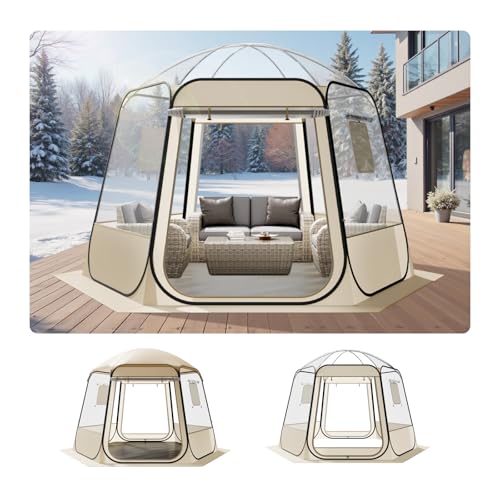
The Complete Guide to Dome Tents
Everything you need to know before buying a dome tent: how they perform in wind and rain, sizing for solo or family trips, and which features matter most for your next camping adventure.
Why the Dome Tent Remains the Most Popular Camping Shelter
The dome tent has been a staple of campgrounds for decades, and for good reason. Its geodesic-inspired shape—created by two or more flexible poles crossing at the top—distributes tension evenly across the fabric, producing a freestanding structure that sheds wind and rain far more effectively than many traditional A-frame designs. Whether you are a weekend car camper or a backpacker logging serious miles, a well-chosen dome tent offers an exceptional balance of weight, interior space, and weather protection.
Unlike cabin tents with their vertical walls and bulky frames, dome tents pack down small enough to fit into a camping backpack, yet they can still sleep anywhere from one to eight people depending on the model. This versatility explains why manufacturers continue to refine the category with lighter fabrics, stronger aluminum poles, and clever ventilation systems. If you are still weighing your options between different shelter styles, our comparison of tent vs hammock can help clarify which approach suits your terrain and sleeping preferences.
How a Dome Tent Is Constructed
Understanding the anatomy of a dome tent helps you evaluate quality when comparing models. The key components are:
- Poles: Usually made from aluminum or fiberglass. Aluminum poles are lighter and more durable, which is why mid-range and premium dome tents favor them. Fiberglass is common in entry-level models but tends to be heavier and prone to splintering.
- Fly (Rainfly): A separate waterproof layer that covers the tent body. A full-coverage fly extending nearly to the ground provides superior rain protection and wind resistance. Some models require an additional tent rain fly for severe conditions.
- Body and Floor: The inner tent is typically breathable mesh or nylon, while the floor is a bathtub-style waterproof material with taped seams. Denier ratings indicate fabric thickness—higher denier means greater durability but more weight.
- Vestibule: An extended area of the fly that creates covered storage outside the sleeping area. Two-door, two-vestibule designs are ideal for couples or campers who want gear access without disturbing a sleeping partner.
- Guy Lines and Stakes: These anchor the tent in wind. Quality dome tents include reflective guy lines and sturdy stakes; upgrading to metal tent stakes or steel tent stakes is a smart move for hard or rocky ground.
The crossing pole architecture creates a self-supporting shell. Once the poles are seated, the tent holds its shape even before staking, which makes repositioning easy. This freestanding nature is a major advantage on platforms, sandy beaches, or any surface where driving stakes is difficult—situations covered in our guides on setting up a tent on a platform and setting up a tent on the beach.
Dome Tent Sizes: Matching Capacity to Your Needs
Dome tents are classified by the number of people they sleep, but manufacturer ratings assume minimal gear and sleeping bags placed side by side. A realistic rule is to subtract one person from the stated capacity for comfortable camping with gear. Here is how the common sizes break down:
| Capacity | Best For | Typical Interior |
|---|---|---|
| 1–2 Person | Solo backpackers, ultralight trips | Minimal floor space, single door, compact vestibule |
| 3–4 Person | Couples, small families, car camping | Room for two sleeping pads plus gear, often two doors |
| 5–6 Person | Families, groups of friends | Standing height near center, divided rooms in some models |
| 7–8+ Person | Large families, base camp | Multiple rooms, near-vertical walls, heavy pack weight |
If standing headroom is a priority, note that many larger dome tents are now designed as modified domes with near-vertical walls. Our roundups of 2-person tents you can stand up in and camping tents you can stand up in highlight models that blur the line between dome and cabin styles. For quick-pitch convenience, dome tents are among the easiest tents to set up and take down, especially pop-up variations.
Weather Resistance: Wind, Rain, and Condensation
The dome shape is inherently aerodynamic. Wind glances off the curved surface rather than pressing flat against a wall, which is why dome tents outperform cabin tents in exposed campsites. However, performance varies dramatically by design. A low-profile dome with a full-coverage fly and multiple guy-out points can handle serious alpine wind, while a tall budget dome may flex alarmingly in gusts. Always check the hydrostatic head rating of the fly and floor—measured in millimeters, higher numbers mean greater water resistance. A rating of 1,500mm is adequate for typical rain; 3,000mm or more is suitable for prolonged storms.
Condensation is the hidden enemy of any tent. Single-wall dome tents save weight but trap moisture from your breath, while double-wall designs (inner mesh body plus separate fly) allow vapor to escape. Look for vents at the top and bottom of the fly to promote airflow. If you frequently camp in humid or rainy conditions, our article on camping in a tent in the rain offers practical strategies for staying dry. And for cold-weather trips, a four-season dome tent with a stove jack can extend your camping season dramatically—see our guide to camping in the winter in a tent for more.
Quality Tiers: Entry-Level, Mid-Range, and Premium Dome Tents
Because prices fluctuate and vary by region, we classify dome tents by construction quality and intended use rather than cost. This framework stays useful regardless of currency or market shifts.
| Tier | Poles & Fabric | Best For | Trade-offs |
|---|---|---|---|
| Entry-Level | Fiberglass poles, lower-denier polyester, partial-coverage fly | Occasional car camping, fair-weather trips | Heavier, less wind-stable, shorter lifespan |
| Mid-Range | Aluminum poles, 68–75D fabrics, full-coverage fly, taped seams | Regular weekend campers, families, three-season use | Moderate weight, good balance of features |
| Premium | DAC or Yunan aluminum poles, 15–40D ripstop fabrics, welded floors | Backpackers, mountaineers, extended expeditions | Higher investment, requires careful handling |
Mid-range dome tents typically offer the best value for most campers. They shed wind noticeably better than entry-level models and last through many seasons of regular use. If you are wondering whether upgrading is worthwhile, our discussion of whether expensive tents are worth it breaks down the long-term math. Also consider lifespan: with proper care, a quality dome tent can serve you for a decade or more—our guide on how long tents last explains the factors that determine durability.
Advantages and Limitations of Dome Tents
Advantages
- Freestanding—no stakes required to hold shape
- Excellent wind and rain shedding due to curved geometry
- Quick and intuitive pitch, often under five minutes
- Wide range of sizes and price tiers
- Compact packed size for backpacking
Limitations
- Sloped walls reduce usable interior volume compared to cabin tents
- Limited standing headroom except in large modified domes
- Single-wall versions prone to condensation
- Large family domes can be heavy and bulky
For campers who prioritize interior space and headroom over packed weight, a cabin camping tent or a tent with rooms may be a better fit. But for the vast majority of three-season adventures, the dome tent's combination of stability, simplicity, and portability is hard to beat.
Setting Up and Caring for Your Dome Tent
Pitching a dome tent is straightforward: lay out the footprint, assemble the poles (usually color-coded), thread them through sleeves or clip them to the body, then raise the structure by seating the pole ends in grommets. Stake out the corners and guy lines, then attach the fly. In rain, speed matters—our guide on how to set up a tent in the rain covers techniques to keep the interior dry. On snow, a different approach is needed; see setting up a tent in the snow for cold-weather tips.
After each trip, clean and dry your tent thoroughly before storage. UV exposure degrades fabric over time, so avoid leaving it pitched in direct sun for extended periods. Store loosely in a cool, dry place rather than compressing it tightly. With basic care, a dome tent will remain reliable for years of adventures. If you are building out your full camping kit, our list of what to bring on a camping trip and things you need when you go camping will help you cover the essentials.
Frequently Asked Questions About Dome Tents
Are dome tents good for backpacking?
Yes—dome tents in the 1–3 person range are among the most popular backpacking shelters. Look for models under five pounds with aluminum poles and a compact packed size. A dedicated camping backpack with tent and sleeping bag setup makes carrying your shelter efficient.
Can a dome tent stand up to strong wind?
A low-profile dome with a full-coverage fly and properly tensioned guy lines handles wind far better than most other tent styles. Avoid tall, budget domes in exposed locations. Always stake out every guy line and consider upgrading to metal tent stakes for secure anchoring.
How do I choose the right size dome tent?
Subtract one person from the rated capacity for comfortable camping with gear. A "4-person" dome comfortably sleeps two adults plus bags and a cooler. Read our full guide on how to choose tent size for detailed capacity charts.
What is the difference between a dome tent and a cabin tent?
Dome tents use crossing poles to create a curved, aerodynamic shape that sheds wind well and packs small. Cabin tents have near-vertical walls and straight poles, offering more headroom and interior volume but sacrificing wind performance and packed size. Your choice depends on whether you prioritize storm-worthiness or living space.
Do I need a footprint for my dome tent?
A footprint protects the tent floor from abrasion, punctures, and ground moisture. While not strictly necessary, it significantly extends the life of your tent—especially when camping on rough terrain. Many manufacturers sell custom footprints, but a tarp cut to size works as well.