Pop Up Awning: Complete Guide to Portable Shade & Shelter
Discover how a pop up awning transforms your outdoor experience—whether you're camping, tailgating, or hosting a backyard event. Learn to choose, set up, and maintain the perfect instant canopy for any adventure.
Why a Pop Up Awning? A pop up awning—also called an instant canopy or pop-up tent—delivers shade, rain protection, and a dedicated outdoor space in seconds. Unlike permanent structures, these portable shelters set up without tools and pack down small enough to fit in a car trunk. For campers, they extend living space; for event-goers, they provide a reliable base. This guide walks you through every consideration so you can choose with confidence.
What Exactly Is a Pop Up Awning?
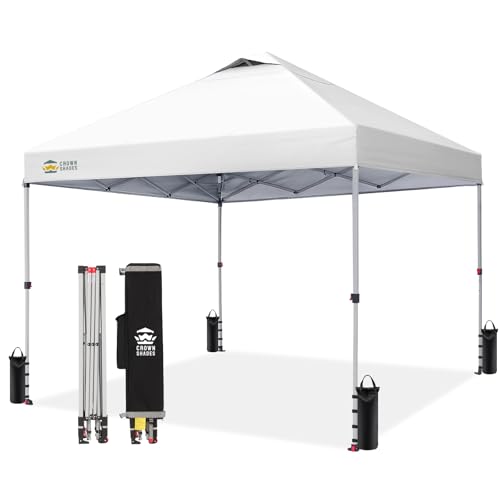
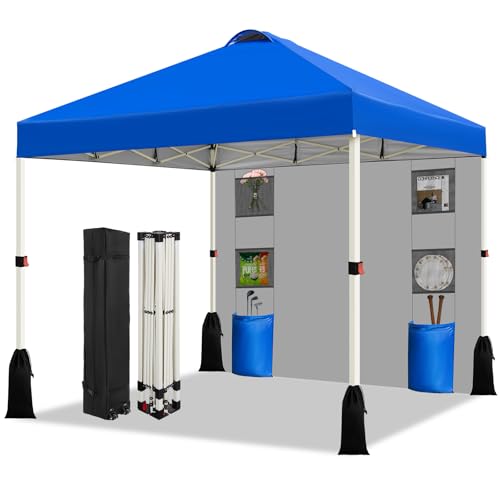
A pop up awning is a self-contained shelter with a folding frame and a fabric canopy. The frame typically uses a scissor-like mechanism that expands when you pull the legs outward. Most models include a carry bag, stakes, and sometimes sandbags or guy lines. The canopy fabric is usually water-resistant and offers UPF protection. Unlike traditional tents that require pole assembly, a pop up awning can be ready in under two minutes. This makes it ideal for situations where speed and simplicity matter—think sudden rain at a campsite or a sunny tailgate party. For those who also need sleeping quarters, pairing a pop up awning with a pop up tent you can stand up in creates a versatile basecamp. The awning serves as a communal shade area, while the tent handles overnight accommodation.
When researching portable shade, you may also encounter pop up gazebo models that offer similar instant setup but often include side walls and a more enclosed feel. The line between a gazebo and an awning can blur, so focus on your primary use: if you need an open-air shade structure, a classic pop up awning is sufficient. If you want a bug-free enclosure, a gazebo with mesh walls might be better. Many outdoor enthusiasts start with a simple awning and later add a screen tent for dining or lounging without insects. Understanding these distinctions helps you build a modular outdoor kit.
Key Features to Evaluate Before Buying
Frame Material & Durability
Steel frames are common in entry-level and mid-range awnings. They're sturdy but heavier. Aluminum frames cost more but resist rust and reduce weight—a priority for frequent movers. Look for powder-coated finishes to prevent corrosion. Joints and locking mechanisms should feel solid; plastic components can crack under stress. A mid-range awning with reinforced nylon hubs often balances weight and longevity. If you plan to use the awning on windy days, consider a model with a sturdy frame and the ability to anchor it securely. You may want to invest in metal tent stakes or steel tent stakes for soft ground. These small upgrades dramatically improve stability.
Canopy Fabric & Weather Resistance
Most canopies use polyester or nylon with a water-repellent coating. Polyester resists UV degradation better; nylon is lighter but stretches when wet. Look for a canopy with taped seams and a UPF rating of 50+ if sun exposure is a concern. Some premium models feature reflective coatings that reduce heat buildup underneath. For rainy conditions, a canopy with a peaked roof sheds water more effectively than a flat top. If you frequently camp in wet climates, consider pairing your awning with a tent rain fly for your sleeping tent—the awning protects your gathering area, while the rain fly protects your bedroom.
Size & Coverage
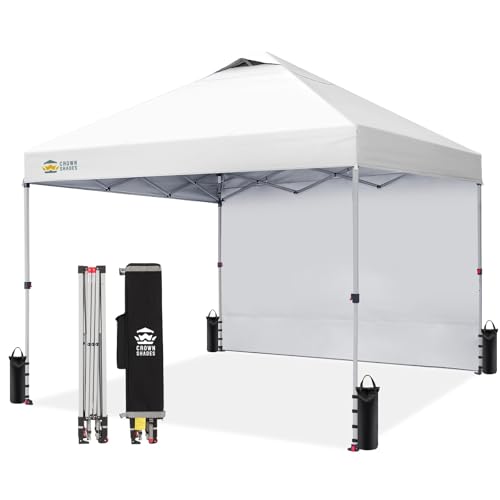
Pop up awnings come in square and rectangular footprints. Common sizes range from 8x8 feet to 12x12 feet. A 10x10 canopy comfortably shelters a picnic table and four chairs. A 12x12 model can cover a larger group or a cooking station. Height adjustment is another factor: most awnings offer three or four height settings. Taller settings allow people to stand and move freely; lower settings improve stability in wind. If you need a larger gathering space, a 12x12 canopy tent is a popular choice for families. For smaller setups, a 10x10 canopy tent with sides provides flexibility—you can add walls when privacy or wind protection is needed.
Portability & Setup Mechanism
The best pop up awning for you depends on how far you'll carry it. Entry-level models often weigh 30–40 pounds and come with a wheeled bag. Mid-range models use lighter materials and may weigh 25–30 pounds. Premium canopies can be under 20 pounds, making them suitable for one-person transport. Setup mechanisms vary: some use a central hub that expands the frame; others require you to pull each leg until it locks. Always test the setup process before buying—reviews often mention whether a canopy is truly a one-person job. For solo campers, a 2-person compact portable pop up tent might be sufficient for sleeping, while a separate awning handles daytime shade.
Types of Pop Up Awnings for Different Needs
Standard Instant Canopy: The most common type. It features four legs, a square or rectangular top, and an open design. Ideal for picnics, tailgating, and campsite shade. Many models accept optional side walls. If you want the flexibility to enclose your space, look for a canopy with walls that can be added later. This modular approach lets you start with an open awning and adapt as your needs change.
Pop Up Awning with Screen Walls: These models include mesh walls that keep bugs out while allowing airflow. They're excellent for dining areas in mosquito-prone regions. A screen tent is a close cousin, but a pop up awning with screens is often lighter and faster to set up. If you're camping in areas with heavy insect activity, this type can make evening meals far more enjoyable.
Vehicle-Mounted Awnings: These attach to a car, SUV, or van and roll out. They're not "pop up" in the traditional sense, but they offer similar instant shade. For car campers, an awning for cars can be a game-changer, especially when paired with a rooftop tent or a teardrop camper trailer. These awnings free up ground space and provide shade exactly where you park. They're particularly useful for overlanding and road trips where you want a quick stop without unpacking a freestanding canopy.
Specialty Pop Up Awnings: Some awnings are designed for specific activities. For example, a pop up ice fishing tent with wood stove is a specialized shelter that provides warmth and wind protection on frozen lakes. While not a traditional awning, it shares the pop-up mechanism and portability. Similarly, a pop up camping shower toilet changing room tent uses instant setup for privacy. These niche products show how versatile the pop-up format has become.
How to Set Up a Pop Up Awning Correctly
Setting up a pop up awning is straightforward, but a few best practices ensure safety and longevity. First, choose a level spot free of sharp rocks and debris. If you're on grass, clear any sticks that could puncture the fabric. Second, with a partner, lift the canopy out of its bag and stand it upright. Gently pull the legs outward until the frame clicks into place. Avoid forcing the mechanism—if it resists, check that the fabric isn't caught in the joints. Third, extend the legs to your desired height. Most awnings have push-button or twist-lock adjustments. Start with the lowest setting for stability, then raise as needed. Fourth, secure the canopy using the included stakes. If the ground is soft, use longer metal tent stakes. In windy conditions, add guy lines and sandbags. Never leave a pop up awning unattended in strong winds—even a mid-range model can become airborne. If you're setting up on a beach, use sandbags or bury the stakes deep. For more tips on beach camping, see our guide to beach camping. Finally, if you're camping in an area with frequent rain, consider a pop up tent for cold and rainy weather as a backup sleeping solution. The awning handles daytime shelter, but a dedicated tent ensures a dry night.
Care and Maintenance for Longevity
A pop up awning is an investment in comfort. Proper care extends its life. After each use, wipe down the canopy fabric with a damp cloth to remove dirt and bird droppings. Avoid harsh detergents—mild soap and water are sufficient. Let the canopy dry completely before packing it away. Storing a damp awning promotes mildew, which can weaken fabric and cause odors. If mildew appears, clean with a diluted vinegar solution and dry thoroughly in the sun. Inspect the frame for bent or cracked joints. Lubricate moving parts with a silicone spray if they become stiff. Replace worn stakes and guy lines. Store the awning in a cool, dry place—not in a hot garage where temperature swings can degrade materials. With basic care, a quality pop up awning can last many seasons. If you're also using a tent, apply similar maintenance principles. Our article on how long do tents last provides useful parallels. And if you're wondering whether a premium awning is worth the higher tier, read are expensive tents worth it—the same logic applies to canopies.
Pop Up Awning vs Other Outdoor Shelters
Choosing between a pop up awning and other shelters depends on your goals. A dome tent is for sleeping, not gathering. A shade tent is similar to a pop up awning but often has a more aerodynamic shape for wind resistance. A screen tent provides bug protection but can feel enclosed. A pop up gazebo is essentially an awning with side walls, offering more privacy but less airflow. For campers who want a dedicated cooking area, a pop up awning keeps the stove and prep table out of the sun and rain. If you're cooking, ensure your stove is stable—a single stove burner or a portable pellet stove works well under an awning, provided you follow fire safety rules. Always review campfire safety rules and fire ban guide before using any flame under a canopy. For RVers, an awning complements an RV electrical hookup setup, creating a comfortable outdoor living room. If you're staying at a campground with amenities, check whether the site allows pop up awnings—some have restrictions on temporary structures. Our article on state park rules can help you plan. For those who prefer a more permanent setup, a cabin camping trip might be a better fit. But for flexibility and portability, nothing beats a pop up awning.
Ready to Choose Your Pop Up Awning?
Explore our recommended selection of pop up awnings and instant canopies below. Whether you need a compact model for solo trips or a large canopy for family gatherings, you'll find a shelter that matches your needs.
View Recommended AwningsFrequently Asked Questions About Pop Up Awnings
Can a pop up awning be used on concrete or pavement?
Yes, but you'll need to anchor it differently. Standard stakes won't penetrate concrete. Use sandbags or weighted bases designed for canopies. Some models come with pre-drilled feet that accept bolts or weights. If you're camping on a platform, such as a wooden deck, consider a pop up tent you can stand up in that includes anchor points for platforms. Always check local regulations—some venues prohibit staking or weights that could damage surfaces.
How do I clean a pop up awning canopy?
Set up the awning and hose it down with plain water. For stubborn stains, use a soft brush and a mild soap solution. Avoid abrasive cleaners and bleach. Rinse thoroughly and allow to air dry completely before folding. If you notice mildew, treat it with a vinegar and water mix (1:1 ratio), then rinse. Never machine wash or dry clean the canopy—it can damage the water-repellent coating. For more on fabric care, see our guide to how long do tents last.
What size pop up awning do I need for a family of four?
A 10x10 canopy typically seats four people comfortably around a picnic table. For a family of four with gear and a cooking area, a 12x12 model provides extra room. If you plan to add side walls or a screen room, go larger. A 12x12 canopy tent is a versatile choice for families. For smaller groups, a 10x10 canopy tent with sides offers flexibility without excess bulk.
Are pop up awnings waterproof?
Most canopies are water-resistant, not fully waterproof. They handle light rain and brief showers, but prolonged heavy rain can seep through seams. Look for models with taped seams and a waterproof rating for better protection. If you expect heavy rain, pair your awning with a tent rain fly for your sleeping tent and consider a pop up tent for cold and rainy weather as a backup. Always angle the canopy so water runs off—a flat top can pool water and collapse.
Can I use a pop up awning for winter camping?
Yes, but with caveats. A standard pop up awning provides wind protection and can hold a small heater, but it's not insulated. For winter camping, you'll need a winter camping gear setup that includes a four-season tent and proper insulation. Some campers use a pop up awning as a windbreak while cooking or gathering. If you're serious about winter camping, read our guide to winter camping and consider a hot tent camping setup with a stove jack. A pop up awning can complement a hot tent by providing a sheltered staging area.