Camping Hiking Guide: Your Trail to Adventure
Everything you need to know about combining camping and hiking. From gear selection and safety tips to trail planning, this guide prepares you for an unforgettable backcountry experience.
START YOUR ADVENTURECamping and hiking are two halves of a perfect outdoor adventure. Whether you're planning a multi-day trek through the wilderness or a weekend of hiking and camping at a national park, the right preparation makes all the difference. This guide covers everything from essential gear and packing lists to safety considerations and trail tips, helping you plan a trip that's both enjoyable and safe.
Many adventurers find that combining camping and hiking is the most rewarding way to experience nature. You get the exercise and exploration of a hike, with the relaxation and immersion of camping overnight. Hiking to a remote campsite means you'll be rewarded with solitude and star-filled skies that car campers rarely experience [citation:7]. However, it also requires more planning, the right gear, and a solid understanding of backcountry safety.
Why Combine Camping and Hiking?
Go Further, Explore More
Hiking allows you to reach campsites far from the road, accessing pristine wilderness and scenic views that are otherwise unreachable. You can truly disconnect from the modern world [citation:7].
Enhanced Connection with Nature
Sleeping under the stars after a day of hiking creates a deeper bond with the natural world. You'll experience the rhythm of the day, from sunrise to sunset, in a way day trips can't match [citation:12].
Flexibility and Freedom
A camping hiking trip gives you the freedom to set your own pace and itinerary. You're not tied to a hotel or a fixed schedule—you can adjust your plans based on weather, energy, and trail conditions.
Essential Camping Hiking Gear
The key to a successful camping hiking trip is carrying gear that balances weight, functionality, and durability. Every item in your pack should serve a purpose. Here's a breakdown of the essentials:
🏕️ Shelter & Sleep
- Backpacking Tent: Choose a lightweight, durable tent. For multi-day hikes, look for one that's easy to set up and packs small [citation:2][citation:12].
- Sleeping Bag: Select a sleeping bag rated for the coldest temperature you expect. A bag's "comfort rating" is more important than its "extreme" rating [citation:9][citation:12].
- Sleeping Mat/Pad: Provides insulation and comfort. Look for an R-value of 3 or higher for colder conditions [citation:12].
- Pillow: An inflatable pillow or a stuff sack filled with clothes can greatly improve sleep quality.
🥘 Cooking & Hydration
- Stove & Fuel: Canister stoves are lightweight and easy to use, while liquid-fuel stoves perform better in cold weather [citation:2][citation:12].
- Cookware & Utensils: A lightweight pot, a mug, and a spork are the basics. Consider collapsible options to save space [citation:3][citation:9].
- Water Bottles/Reservoir: Plan to carry at least 2-3 liters of water, depending on your hike length and water source availability [citation:14].
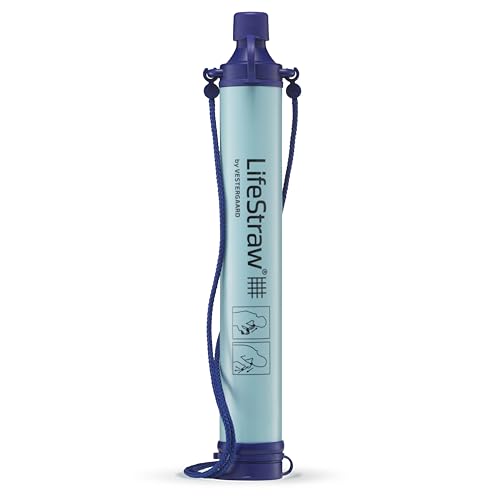
- Water Purification: A filter or purification tablets are crucial for safely drinking from natural sources [citation:12][citation:14].
🧭 Navigation & Safety
- Map & Compass: Always carry a physical map and compass, and know how to use them. GPS devices and apps are great supplements [citation:5][citation:9].
- Headlamp/Flashlight: Essential for navigating in the dark around camp. Bring extra batteries [citation:3][citation:12].
- First Aid Kit: A comprehensive kit with antiseptic, bandages, blister care, and any personal medications [citation:5][citation:14].
- Emergency Gear: Whistle, fire starter, emergency blanket, and optionally a personal locator beacon (PLB) for remote areas [citation:5][citation:14].
👕 Clothing & Footwear
- Footwear: Hiking boots or trail runners? Choose what's comfortable. Boots offer more ankle support, while trail runners are lighter [citation:7][citation:9].
- Layers: A moisture-wicking base layer, insulating fleece or down jacket, and a waterproof/breathable outer shell [citation:7][citation:11].
- Hiking Socks: Merino wool or synthetic socks that wick moisture and prevent blisters are critical [citation:11][citation:12].
- Accessories: Sun hat, beanie, gloves, sunglasses, and rain gear are often necessary [citation:5][citation:9].
Expert Packing & Planning Tips
Proper planning and smart packing are the secrets to an enjoyable trip. Here are some expert tips for your camping hiking adventure:
- Start with an Overnighter: For your first camping hiking trip, aim for just one night. This allows you to test your gear and skills with an easy exit if needed [citation:7].
- Choose a Modest Distance: Don't overestimate your daily hiking mileage. For beginners, a total of 8-10 miles over two days is a good starting point [citation:7].
- Use the "Trip Intention" System: Always leave your detailed itinerary with a trusted contact, including where you're going and when you expect to return [citation:14].
- Keep Your Pack Under 40 Lbs: Pay attention to pack weight. For a multi-day hike, a goal of 30-40 pounds is reasonable for a beginner [citation:6].
- Rent Before You Buy: High-quality backpacking gear can be expensive. Rent or borrow equipment for your first few trips to see what you need [citation:7].
⚕️ Camping Hiking Safety: Be Prepared
Safety is paramount. Pack a well-stocked first aid kit and know how to treat common ailments like blisters and hypothermia. Familiarize yourself with wilderness first aid principles. Always check the weather forecast and be ready for sudden changes. If hiking in bear country, know how to store food properly and carry bear spray [citation:5]. Stay hydrated, tell someone your plan, and never hesitate to turn back if conditions become unsafe.
Explore More Outdoor Adventures
Winter Camping
Learn how to stay safe and comfortable in snowy conditions.
Camping Technology
Discover the best gadgets and apps for your outdoor adventures.
Day Hike Checklist
Essential items to bring on a day hike, from gear to snacks.
Camping Destinations
Find the best places to camp and hike, from national parks to hidden gems.
Combining camping and hiking is one of the most rewarding ways to experience the great outdoors. With the right preparation and gear, you can enjoy the freedom of the trail and the tranquility of a night under the stars. We hope this guide has given you the confidence to plan your next adventure.