
Camping Backpack with Tent and Sleeping Bag: The Ultimate All-in-One Solution
Discover how an integrated camping backpack system can simplify your outdoor adventures. Learn what to look for, how to pack efficiently, and which features matter most for a comfortable night under the stars.
Explore the GuideWhy choose an all-in-one camping backpack? Instead of juggling separate bags for your tent, sleeping bag, and gear, an integrated system keeps everything organized, balanced, and ready to go. Whether you're a weekend camper or a long-distance backpacker, understanding how these systems work will save you time, energy, and frustration on the trail.
What Is a Camping Backpack with Tent and Sleeping Bag?
A camping backpack with tent and sleeping bag is essentially a complete sleep-and-shelter system designed to be carried on your back. These setups typically fall into two categories: integrated backpacking kits (where the backpack, tent, and sleeping bag are sold as a coordinated set) and modular systems (where you choose a compatible backpack, tent, and sleeping bag separately).
The key advantage is weight distribution and organization. When these three critical components are designed to work together, you get a lower center of gravity, easier access to essentials, and fewer loose items swinging around on the trail. This is especially important for hiking backpack with tent and sleeping bag setups, where every ounce and every inch of space counts.
For beginners, an all-in-one kit removes the guesswork of matching capacities and attachment points. For experienced campers, a modular approach offers more flexibility—but it requires careful planning to ensure your tent and sleeping bag for one person fits comfortably alongside your other gear.
Key Components of an Integrated Camping Backpack System
The Backpack Itself
Look for a pack with a dedicated sleeping bag compartment at the bottom, external attachment points for tent poles, and a floating lid or brain that can accommodate a rolled-up tent body. Ventilation is critical—back panel airflow keeps you cool during summer hikes, while a rain cover protects everything when the weather turns. For a deeper dive into packing strategies, see our guide on how to pack for a camping trip.
The Tent
Your tent should be lightweight, compact, and easy to pitch. Look for a freestanding design or one that uses trekking poles (for ultralight setups). Consider a tarp or wall tent if you prefer more living space, though these are typically heavier. For solo campers, a 1-person tent that sets up easily is ideal. Families may prefer a 4-person cabin tent with instant setup for quick campsite construction.
The Sleeping Bag
Your sleeping bag's temperature rating should match the conditions you'll encounter. A sleeping bag temperature guide helps you choose wisely. For cold-weather trips, consider winter sleeping bags. A silk sleeping bag liner adds warmth and keeps your bag clean. If you struggle with comfort, an all-in-one sleeping bag and mattress system can be a game-changer.
Optional Add-Ons
Many campers add a sleeping pad for the floor or a single air mattress for extra comfort. A camping storage bin helps organize smaller items inside your pack. Don't forget a first aid kit for camping and a satellite communicator for remote trips.
Understanding Quality Tiers Without the Price Tag
Instead of focusing on price, use these universal quality descriptors to compare camping backpack systems. They reflect relative market positioning and are designed to stay relevant for years.
Budget-Friendly
Reliable basics for occasional campers. Materials are durable but heavier; features are simple. Ideal for fair-weather weekend trips and first-time buyers.
Mid-Tier
Balanced performance with lighter fabrics, better ventilation, and more thoughtful organization. A solid choice for regular campers who want dependability without overkill.
High-End
Ultralight materials, advanced suspension systems, and weatherproof construction. Designed for serious backpackers and harsh conditions. Often includes lifetime warranties.
Use these tiers to guide your research. A mid-range system often offers the best value for most campers, while entry-level kits are perfect for trying out backpacking before committing to a premium setup.
How to Choose the Right All-in-One Camping Backpack
1. Match Capacity to Trip Duration
For overnight trips, a 40–50 liter pack is usually sufficient. For multi-day adventures, look at 60–75 liters. Remember that your tent and sleeping bag will consume a significant portion of this volume. If you're camping with a partner, consider a 2-person pop-up tent with air mattress to save space and weight.
2. Prioritize Comfort and Fit
A backpack that doesn't fit properly will ruin your trip. Look for adjustable torso lengths, padded shoulder straps, and a supportive hip belt. Women-specific and torso-specific designs are available. For side sleepers, a mattress topper for side sleepers with hip pain can make a world of difference after a long day on the trail.
3. Consider Your Camping Style
If you frequently camp in cold weather, prioritize a four-season tent and a sleeping bag rated for below-freezing temperatures. For summer trips, a three-season setup is lighter and more breathable. If you enjoy camping alone, a compact solo system is essential. Families may need a larger pack with extra attachment points for multiple sleeping bags and a 6-person tent you can stand up in.
4. Check Weather Resistance
Look for a pack with a built-in rain cover or one that's compatible with an aftermarket cover. Your tent should have a full-coverage rainfly, and your sleeping bag should have a water-resistant shell. For wet climates, learn how to set up a tent in the rain to keep your gear dry.
5. Don't Ignore the Small Details
Hydration compatibility, hip belt pockets, trekking pole loops, and compression straps all matter. A waterproof daypack for hiking can complement your main pack for side trips. If you're camping with a dog, check out our tips for camping with a dog in a tent.
Packing Tips for Your Camping Backpack System
Efficient packing is an art. Follow these guidelines to maximize space and comfort:
- Heaviest items go near your spine. Place your sleeping bag and tent body in the middle of the pack, close to your back, to maintain balance.
- Use the bottom compartment for your sleeping bag. This keeps the weight low and allows quick access at camp.
- Attach tent poles externally. Use the side compression straps or dedicated pole loops to keep them secure and out of the way.
- Keep essentials accessible. Put snacks, maps, a camping power bank, and a first aid kit in the top lid or hip belt pockets.
- Use stuff sacks and compression bags. They save space and keep your gear organized. A camping storage bin at basecamp helps organize overflow items.
- Protect your sleeping bag. Use a waterproof stuff sack or line your pack with a trash compactor bag.
- Test your pack before you go. Do a trial hike with your fully loaded pack to identify hot spots and adjust the fit. If you're new to backpacking, our first time camping tips will help you prepare.
For a comprehensive list of items to bring, see our guide on essential things to pack for camping and things you need when you go camping.
Safety and Maintenance for Your Camping Backpack System
Weather Preparedness
Always check the forecast and pack accordingly. Learn about camping weather alerts and have a plan for severe weather. In winter, understand winter camping safety and how to prevent frostbite. If you're camping in bear country, follow food storage rules and consider carrying bear spray.
Leave No Trace
Practice Leave No Trace principles to minimize your impact. Use biodegradable soap for washing, and always pack out your trash. If you're camping in a national park, review the national park rules before you go.
Gear Maintenance
Clean your tent and sleeping bag after each trip. Store them loosely in a cool, dry place—never compressed. Check zippers and seams regularly, and re-waterproof as needed. A travel trailer cover for winter is not applicable here, but the principle of protecting your gear from the elements applies to all camping equipment.
Ready to Hit the Trail?
Now that you understand the ins and outs of camping backpacks with tents and sleeping bags, you're ready to choose the right system for your adventures. Explore our recommended gear below to find your perfect match.
View Recommended GearFrequently Asked Questions
Can I use a regular backpack for camping with a tent and sleeping bag?
While it's possible, a regular backpack lacks the specialized compartments and attachment points that make carrying a tent and sleeping bag comfortable. A dedicated camping backpack distributes weight better and protects your gear from the elements.
What size backpack do I need for a tent and sleeping bag?
For an overnight trip, a 40–50 liter pack is usually sufficient. For multi-day trips, look for 60–75 liters. The exact size depends on the bulk of your tent and sleeping bag, as well as how much other gear you need to carry.
How do I attach a tent to my backpack?
Most camping backpacks have external attachment points such as compression straps, daisy chains, or dedicated pole loops. You can strap the tent body to the bottom or side of your pack, and attach poles externally. Always check that the load is balanced and secure.
Is it better to buy an all-in-one kit or separate components?
All-in-one kits are convenient for beginners and often save money. Separate components offer more flexibility and allow you to upgrade individual pieces over time. Consider your experience level and long-term goals when deciding.
How do I keep my sleeping bag dry in a backpack?
Use a waterproof stuff sack or line your backpack with a trash compactor bag. A rain cover for your backpack adds an extra layer of protection. Always pack your sleeping bag at the bottom of the pack, away from the opening where water can enter.
Recommended Camping Backpacks with Tent and Sleeping Bag
⚠️ AFFILIATE DISCLOSURE: This website contains affiliate links. As an Amazon Associate, we earn from qualifying purchases. If you make a purchase through these links, we may receive a small commission at no additional cost to you. Read our full affiliate policy.

MalloMe Sleeping Bags for Adults Cold Weather & Warm - Backpacking Camping Sleeping Bag for Kids, Girls, Boys - Lightweight Camping Essentials Gear Accessories Hiking Sleep Must Haves Single & Double

FUN PAC Camping Sleeping Pad, Ultralight Camping Mat with Pillow, Built-in Foot Pump Inflatable Sleeping Pads Compact for Camping Backpacking Hiking Traveling Tent,Single,Green

MOXILS Sleeping Pad, Ultralight Inflatable Sleeping Pad for Camping, Built-in Pump, Ultimate for Camping, Hiking, Airpad, Carry Bag, Repair Kit, Compact & Lightweight Air Mattress(Blue)

Outsunny Camping Tent Cot 6-in-1 Single Person Folding Tent Cot Combo | Mattress, Pillow, Sleeping Bag, Bed Cover, Carry Bag, Portable, Easy Set-Up, Off-Ground, Travel Hiking Backpack Picnic Camp
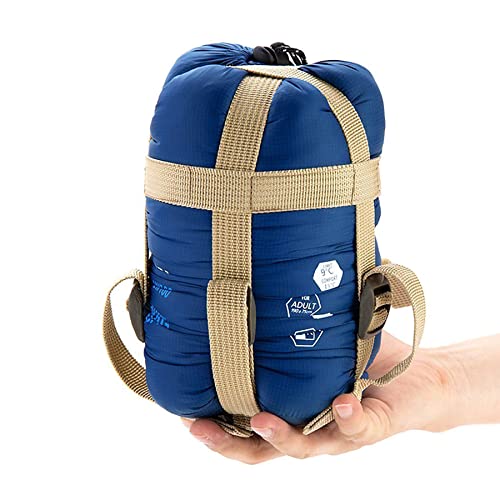
ECOOPRO Warm Weather Sleeping Bag - Portable, Waterproof, Compact Lightweight, Comfort with Compression Sack - Great for Outdoor Camping, Backpacking & Hiking-83 L x 30" W Fits Adults

Emergency Sleeping Bag Mylar Thermal Bivy Survival Gear & Supplies Foil (1) | Shelter Cold Weather Power Outage Hiking Backpacking Bug Out Winter Storm First Aid Reusable Heat Reflective Camping Kit

FNARMW Camping Sleeping Pad, Extra Thick 5 Inch Camping Mat with Pillow Built-in Foot Pump Inflatable Sleeping Pads Compact for Camping Backpacking Hiking Traveling Tent(Green)
Disclaimer
Outdoor activities involve inherent risks. The information provided on CampLifeEssentials is for educational purposes only. We are not responsible for any injuries, losses, or damages resulting from the use of this information. Some content may use AI assistance. Always practice Leave No Trace principles and verify local regulations before camping. If you do not agree, please do not use this website. Read the full disclaimer.